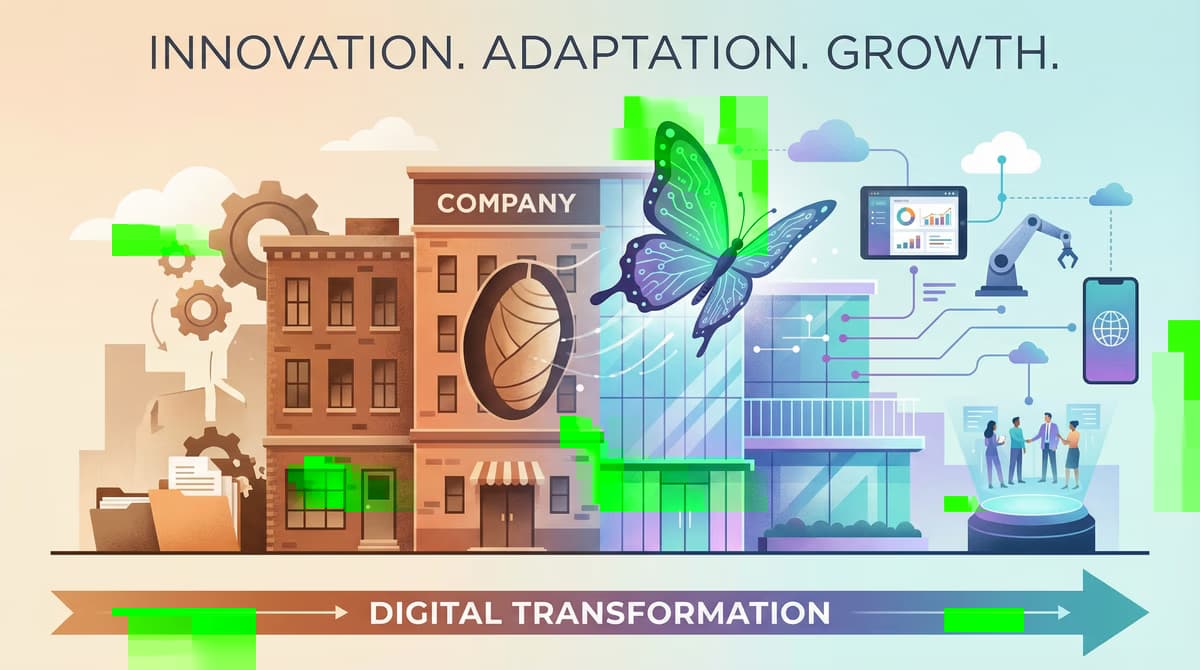
As of: 23 September 2026 · Reading time: 4 min
Key takeaways
- Digital transformation is no longer an option for small and medium-sized enterprises (SMEs), but a need to remain competitive.
- But the way to the digital future...
Digital transformation is no longer an option for small and medium-sized enterprises (SMEs), but a need to remain competitive. But the way to the digital future...
“Good software is not an accident—it comes from a structured development process with clear quality standards.”
– Björn Groenewold, Managing Director, Groenewold IT Solutions
April 2026
Digital transformation is no longer an option for small and midsize companies (SMEs). However, a need to remain competitive.
But the path to the digital future is complex and requires more than just the rollout of new technologies.
Successful companies recognise that teamwork in strategic partnerships and digital ecosystems is the key to success.
In this paper, we will examine how SMEs can strengthen their new strength through teamwork and secure sustainable growth.
The boundaries of the incoming: Why partnerships are crucial
Digital transformation is no longer an option for small and midsize companies (SMEs), but a need to remain competitive.
For Digital Transformation: The Power of Partnerships and Ecosystems, see View services und Discover solutions on our website for rollout paths and planning.
Many SMEs face similar challenges. Limited resources, lack of special knowledge and pressure to respond quickly to market changes.
The attempt to master the digital transformation of SMEs in isolation often leads to island solutions that are not scalable and cause high costs.
This is where partnerships come into play. Teamwork with other companies, technology providers, research institutions or even competitors can bundle resources, divide risks and create synergies.
Advantages of strategic partnerships:
- Access to new knowledge: Partners bring expert know-how, whether in the fields of artificial intelligence, data review or cybersecurity.
- Extension of the offer: By integrating products or services from partners, SMEs can offer their customers more complete solutions.
- Opening of new markets: Teamwork enables access to new customer groups and sales channels.
- Cost division: Investment in new technologies and infrastructure can be distributed over several shoulders.
The concept of the digital ecosystem
A digital ecosystem goes one step further than a simple partnership.
It describes a network of companies, customers, suppliers and partners that interact through a common digital platform and exchange values.
These ecosystems are often built around a central actor or platform and are characterized by their dynamic and flexible structure.
Various types of digital ecosystems
Short: Digital ecosystems can take different forms depending on the industry and goals.
Digital ecosystems can take different forms depending on the industry and goals. The following table gives an overview of common models:
| Ecosystem type | Description | Example |
|---|---|---|
| Transaction ecosystem | Focusses on switching transactions between providers and demanders. | Marketplaces like Amazon Marketplace or Deliveryando. |
| Innovation ecosystem | Does the common development of new products and services. | App Stores from Apple or Google where developers offer their applications. |
| Solution ecosystem | Provides e |
References and further reading
The following separate references complement the topics in this article:
- Bitkom – German digital industry association.
- German Federal Office for Information Security (BSI).
- European Commission – Digital strategy.
- MDN Web Docs (Mozilla)
- W3C – World Wide Web Consortium.
"Privacy by design is an architecture issue—especially when master data is personal."
— Björn Groenewold, Managing Director, Groenewold IT Solutions
Frequently Asked Questions (FAQ)
What is this article about: “Digital Transformation: The Power of Partnerships and Ecosystems”?
This post explores Digital Transformation. The Power of Partnerships and Ecosystems from the perspective of needs, typical pitfalls. And sensible next steps. In short.
Digital transformation is no longer an option for small and midsize companies (SMEs). However, a need to remain competitive.
Who benefits most from the content described here?
Useful for project leads and product owners in Software development who must choose between standard software, custom development, and integration.
How does this topic fit into an IT or digital strategy?
Technically and organizationally, alignment with experienced partners pays off — from requirements to operations; start with the [services overview](/en/services/software-development). For multi-system landscapes, [IT consulting and architecture](/en/services/it-consulting) helps align vendors and internal teams.
What are sensible next steps if we need support?
A practical next step: book a consultation and clarify which MVP or pilot fits your team and landscape.
About the author

Managing Director of Groenewold IT Solutions GmbH and Hyperspace GmbH
Since 2009 Björn Groenewold has been developing software solutions for the mid-market. He is Managing Director of Groenewold IT Solutions GmbH (founded 2010) and Hyperspace GmbH. As founder of Groenewold IT Solutions he has successfully supported more than 250 projects – from legacy modernisation to AI integration.
Blog recommendations
Related articles
These posts might also interest you.

Public sector software: A comprehensive guide to safety requirements
The public sector in Germany is undergoing profound digital transformation. From electronic file management to complex specialist applications – software is the backbone of...
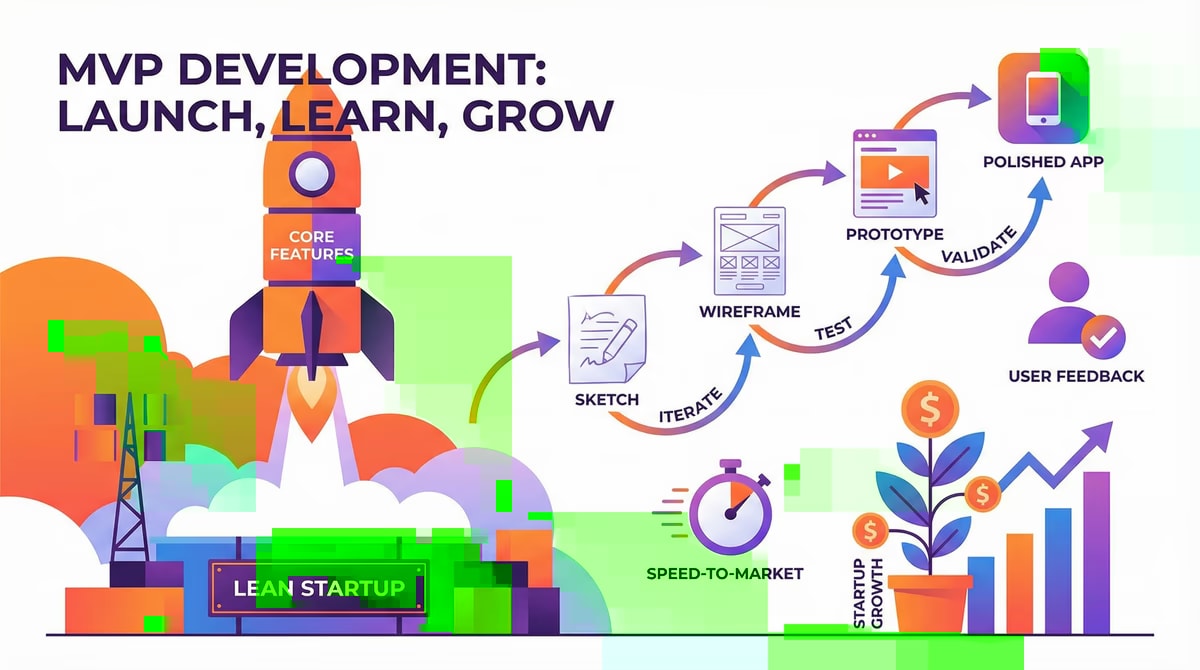
MVP costs: 10 strategies for startups
In the fast-paced world of startups, the efficient use of resources is crucial for success. Especially in the initial phase, where budgets are often limited, the development is...
What is a MVP and why is it so important?
♪ From the idea to the MVP: Realistic cost planning > > The path from a brilliant business idea to a functioning product is exciting and full of challenges. One of the first un...
Free download
Checklist: 10 questions before software development
Key points before you start: budget, timeline, and requirements.
Get the checklist in a consultationRelevant next steps
Related services & solutions
Based on this article's topic, these pages are often the most useful next steps.
Related services
Related solutions
Practical next steps after Digital Transformation: The Power of Partnerships and Ecosystems
Digital Transformation: The Power of Partnerships and Ecosystems addresses a practical choice for product and IT teams. Start with one clear goal: align software scope, technical risk, and business value before the next investment.
Check the current process, the data involved, and the result users need. Then record the main risks and define a small first step. This keeps the decision easy to review and gives your team a shared basis.
For implementation support, our custom software development connects the article's guidance with architecture, delivery, and stable operations. Engineering and project ownership stay with our team in Leer, Germany.
This post belongs to Software development. Browse the related Software development articles or use the English software blog for other topics.
When budget is the next question, the software cost calculators provide planning ranges. The IT glossary explains key terms, while in-depth technology guides cover wider decisions.
If the topic affects a live project, book a technical consultation or send the context through our project contact form. We usually reply within one working day.