As of: 19 June 2026 · Reading time: 4 min
Key takeaways
- Digital transformation is more than just a fashion word – it is a key factor for the future viability of small and medium-sized enterprises (SMEs).
- In an increasingly connected area...
Digital transformation is more than just a fashion word – it is a key factor for the future viability of small and medium-sized enterprises (SMEs). In an increasingly connected area...
“Good software is not an accident—it comes from a structured development process with clear quality standards.”
– Björn Groenewold, Managing Director, Groenewold IT Solutions
This practical guide takes SMEs through digital transformation: from a digital readiness check through prioritization of digitalization projects to implementation with agile methods.
The most important principle: processes before technology — improve the workflow first, then digitalize.
Digital transformation is more than just a fashion word – it is a key factor for the future viability of small and medium-sized enterprises (SMEs).
In an increasingly connected world, the ability to use digital technologies profitably is no longer an optional extra, but a need for sustainable success.
But what exactly hides behind the concept and how can SMEs take the chances associated with it without losing their complexity?
This practical guide provides a complete overview and concrete steps for a successful digital transformation in SMEs.
What is the digital transformation?
Short: Executive answer: Digital transformation is more than just a fashion word – it is a key factor for the future viability of small and medium-sized enterprises (SMEs).
Executive answer: Digital transformation is more than just a fashion word – it is a key factor for the future viability of small and medium-sized enterprises (SMEs).
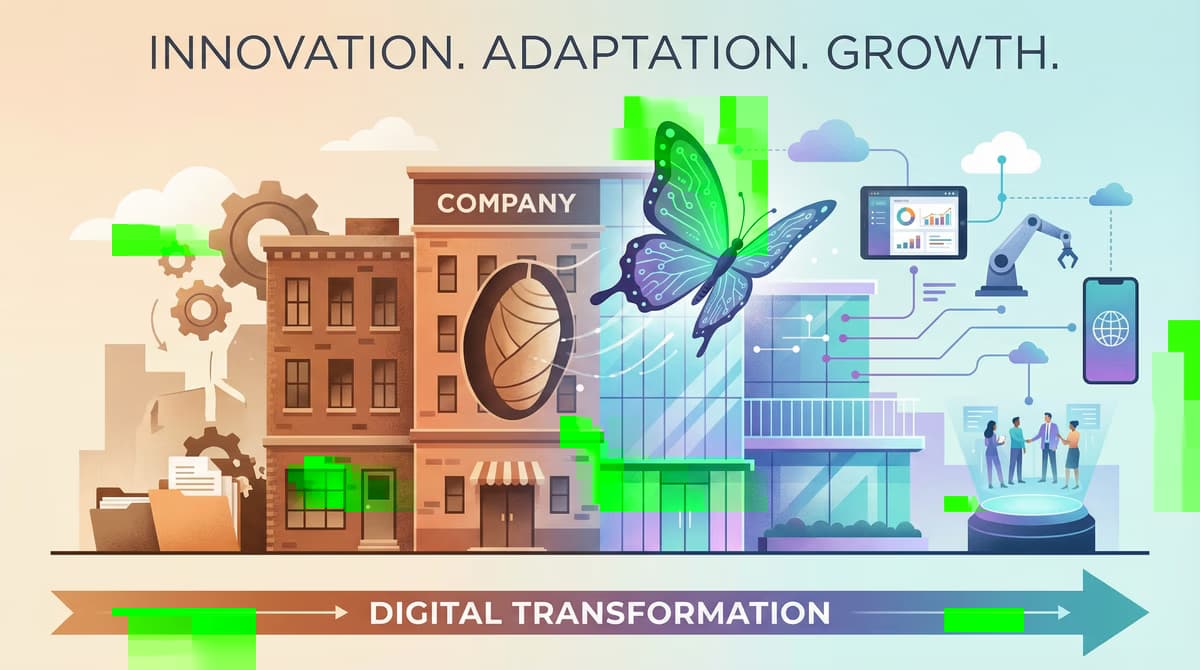
The digital transformation describes the profound process of change triggered by digital technologies that affects all areas of a company.
This is not only about the introduction of new software or the digitization of individual processes.
Rather, it is a strategic change that fundamentally redesigns business models, operations, corporate culture and interaction with customers.
For SMEs, this means the opportunity to become more agile, efficient and customer-oriented and thus to compete.
The advantages of digital transformation for SMEs
Short: The investment in digital transformation pays off for SMEs in many ways.
The investment in digital transformation pays off for SMEs in many ways. The main advantages include:
- ** Increased efficiency:** By automating routine tasks and improving workflows, valuable resources can be released and costs reduced.
- Improved customer relationships: Digital channels enable more direct and personalized communication with customers. Data analyses help to better understand customer needs and develop tailor-made offers. *Developing new business models: Digitization opens up opportunities for innovative products, services and sales channels that were previously unthinkable.
- High competitiveness: Companies that successfully master digital transformation are more flexible and can react faster to market changes.
- Activity as an employer: A modern, digital working environment makes a company more attractive for qualified professionals.
Challenges in Implementation
Short: Despite the obvious advantages, SMEs often face specific obstacles in digital transformation.
Despite the obvious advantages, SMEs often face specific obstacles in digital transformation. Proactive confrontation with these challenges is the first step towards their overcoming.
| Challenge | Solution approach |
|---|---|
| Financial resources | Targeted investments with clear ROI (return on investment), use of funding and gradual implementation. |
| ** Fealing know-how | Continuing training of employees, involving external experts and building cooperation. |
References and further reading
Short: The following independent references complement the topics in this article:
The following independent references complement the topics in this article:
- Bitkom – German digital industry association
- German Federal Office for Information Security (BSI)
- European Commission – Digital strategy
- MDN Web Docs (Mozilla)
- W3C – World Wide Web Consortium
Frequently Asked Questions (FAQ)
What is this article about: “Digital Transformation for SMEs: A Practice Guide”?
This post explores Digital Transformation for SMEs: A Practice Guide from the perspective of requirements, typical pitfalls, and sensible next steps.
In short: Digital transformation is more than just a fashion word – it is a key factor for the future viability of small and medium-sized enterprises (SMEs). In an increasingly connected area...
Who benefits most from the content described here?
Useful for project leads and product owners in Software development who must choose between standard software, custom development, and integration.
How does this topic fit into an IT or digital strategy?
Technically and organizationally, alignment with experienced partners pays off — from requirements to operations; start with the [services overview](/en/services/software-development). For multi-system landscapes, [IT consulting and architecture](/en/services/it-consulting) helps align vendors and internal teams.
What are sensible next steps if we need support?
A practical next step: book a consultation and clarify which MVP or pilot fits your team and landscape.
About the author

Managing Director of Groenewold IT Solutions GmbH and Hyperspace GmbH
Since 2009 Björn Groenewold has been developing software solutions for the mid-market. He is Managing Director of Groenewold IT Solutions GmbH (founded 2012) and Hyperspace GmbH. As founder of Groenewold IT Solutions he has successfully supported more than 250 projects – from legacy modernisation to AI integration.
Blog recommendations
Related articles
These posts might also interest you.
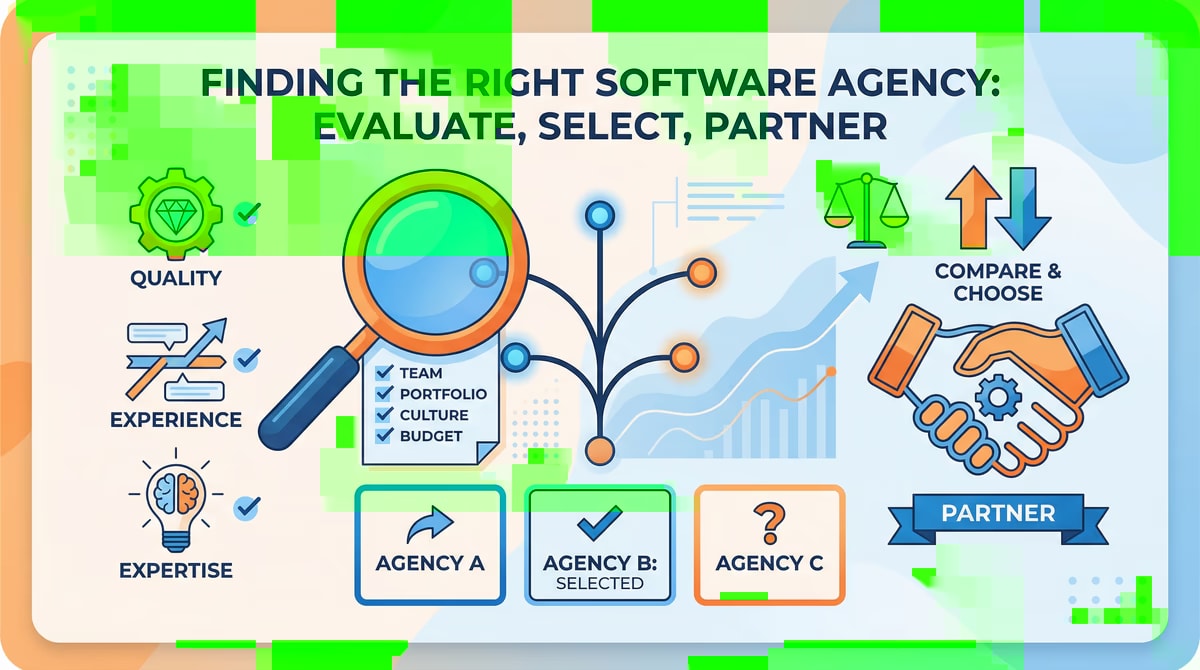
Build developer team vs. commission agency: The right choice for your software project
The decision whether a company builds an internal team for the development of its software or commissions an external agency is of strategic importance. Both models, **Inhouse vs....

Outsourcing Trends 2026: What changes for your business
The world of IT is changing rapidly, and thus also the way companies approach their software development projects. While some companies continue to rely on internal teams, discover...
Nearshore Trends 2026: New markets and developments in IT services
The global IT landscape is undergoing a steady change that forces companies to continuously adapt their business strategies to remain competitive. One of the central...
Free download
Checklist: 10 questions before software development
Key points before you start: budget, timeline, and requirements.
Get the checklist in a consultationRelevant next steps
Related services & solutions
Based on this article's topic, these pages are often the most useful next steps.
Related services
Related solutions
More on Software development and next steps
This article is in the Software development topic. In our blog overview you will find all articles; under category Software development more posts on this subject.
For topics like Software development we offer matching services – from app development and AI integration to legacy modernisation and maintenance. We describe typical use cases under solutions. Our cost calculators give initial estimates. Key terms are in the IT glossary. Books and long-form guides appear on the publications page; deeper articles live under topics.
If you have questions about this article or want a non-binding discussion about your project, you can book a consultation or reach us via contact. We usually respond within one working day.