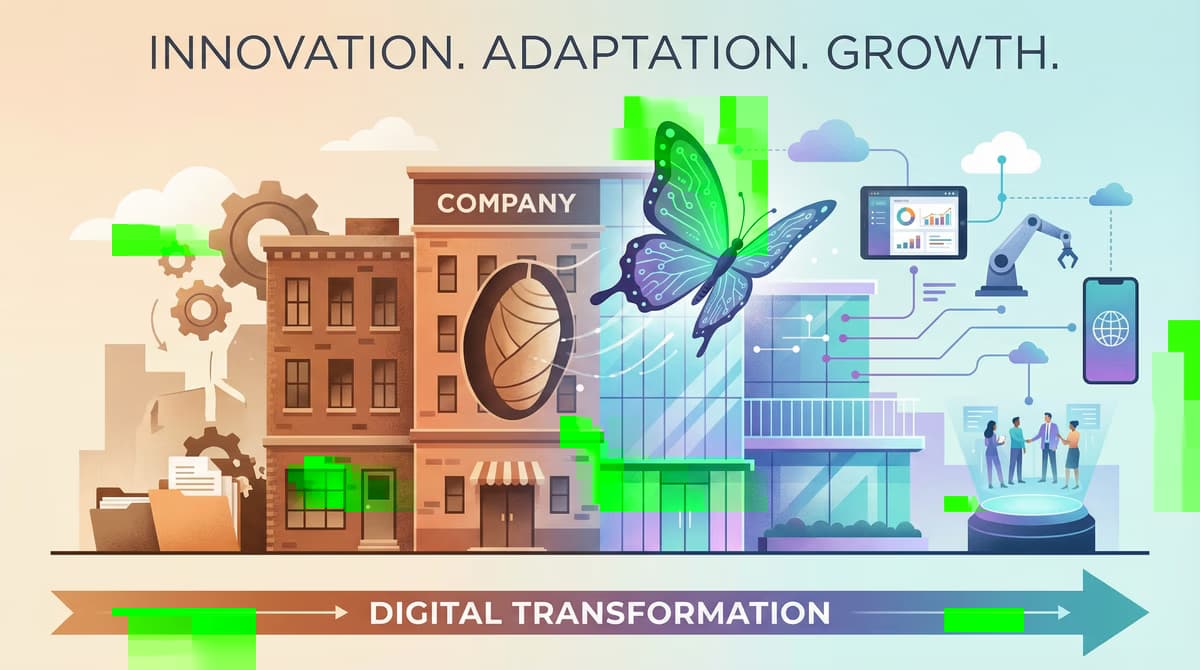
As of: 19 June 2026 · Reading time: 4 min
Key takeaways
- In today's rapidly changing business world, Digitalization for the middle class is no longer a hurdle, but a strategic necessity.
- In view of the increasing bet...
In today's rapidly changing business world, Digitalization for the middle class is no longer a hurdle, but a strategic necessity. In view of the increasing bet...
“Good software is not an accident—it comes from a structured development process with clear quality standards.”
– Björn Groenewold, Managing Director, Groenewold IT Solutions
What Is Process Automation?
In today's rapidly changing business world, Digitalization for the middle class is no longer a hurdle, but a strategic need.
For Digitization in the middle class: How the automation of processes…, Cost Calculator: Automation, Digitalisation for SMEs sowie ROI Calculator: RPA help you align rollout, scope and budget before you commit.
Process automation means using software to execute repetitive, rule-based tasks without manual effort. The goal is clear: fewer manual steps, fewer errors, faster throughput.
Applications range from simple tasks like automated invoice processing to complex cross-departmental workflows. Production, logistics, HR, and accounting all benefit.
Where to Start
The most effective entry point is the process that consumes the most manual effort. Typical quick wins include:
- Automated invoice processing
- Digital order capture
- Administrative workflow automation (approval chains, status notifications).
Start there. Expand once the first automation runs stably.
Key Advantages for Mid-Sized Companies
Cost Reduction and Efficiency
Short: Reducing manual steps lowers operating costs directly.
Reducing manual steps lowers operating costs directly. Software completes routine tasks in a fraction of the time. Employees focus on complex problem-solving instead of data entry.
Error rates drop. Rework decreases. Total throughput increases.
Quality and Customer Satisfaction
Short: Automated processes follow predefined rules consistently.
Automated processes follow predefined rules consistently. Output quality improves. Error rates fall.
Faster processing of orders and service requests raises customer satisfaction. Customers receive responses and deliveries sooner.
Agility and Scalability
Short: Automated processes scale without proportional cost increases.
Automated processes scale without proportional cost increases. When order volumes rise by 30%, the process handles it. No extra headcount required.
This room to adapt is especially valuable for mid-sized companies managing growth phases or seasonal peaks.
Future-Readiness
Short: Automation creates a digital foundation.
Automation creates a digital foundation. AI-based systems, predictive analytics, and further digitalization steps build on it.
Companies that automate now position themselves for the next wave of process improvements.
How to Implement Process Automation Step by Step
A gradual approach reduces risk and builds internal confidence:
- Find the highest-effort manual process in your company.
- Document it in detail — every step, every exception.
- Select a tool or partner that fits the specific process type.
- Pilot the automation with a small team or limited scope.
- Measure results against the baseline (time, error rate, cost).
- Roll out and move to the next process.
Each automation should show measurable results before the next begins.
What Mid-Sized Companies Should Avoid
- Automating broken processes without fixing them first.
- Selecting tools before the process is fully recorded.
- Skipping employee involvement — resistance kills adoption.
- Automating everything at once — complexity increases failure risk.
"Good software is not an accident — it comes from a structured development process with clear quality standards." — Björn Groenewold, Managing Director, Groenewold IT Solutions
Frequently Asked Questions (FAQ)
What is this article about: “Digitization in the middle class: How the automation of processes paves the way to succ…”?
Here we cover Digitization in the middle class. How the automation of processes paves the way to succ… — focused on architecture, process. And business outcomes. In short.
In today's rapidly changing business world, Digitalization for the middle class is no longer a hurdle. However, a strategic need. In view of the increasing bet...
Who benefits most from the content described here?
Typical readers are business and IT leaders in Software development who want to secure quality, security, and ease of upkeep over the long term.
How does this topic fit into an IT or digital strategy?
In a digital strategy, prioritize stable core processes first, then extensions. See also professional software development and consulting.
For multi-system landscapes, IT consulting and architecture helps align vendors and internal teams.
What are sensible next steps if we need support?
If you need support with design, delivery, or modernization: schedule an appointment or outline your project via contact.
References and further reading
The following separate references complement the topics in this article:
About the author

Managing Director of Groenewold IT Solutions GmbH and Hyperspace GmbH
Since 2009 Björn Groenewold has been developing software solutions for the mid-market. He is Managing Director of Groenewold IT Solutions GmbH (founded 2010) and Hyperspace GmbH. As founder of Groenewold IT Solutions he has successfully supported more than 250 projects – from legacy modernisation to AI integration.
Blog recommendations
Related articles
These posts might also interest you.
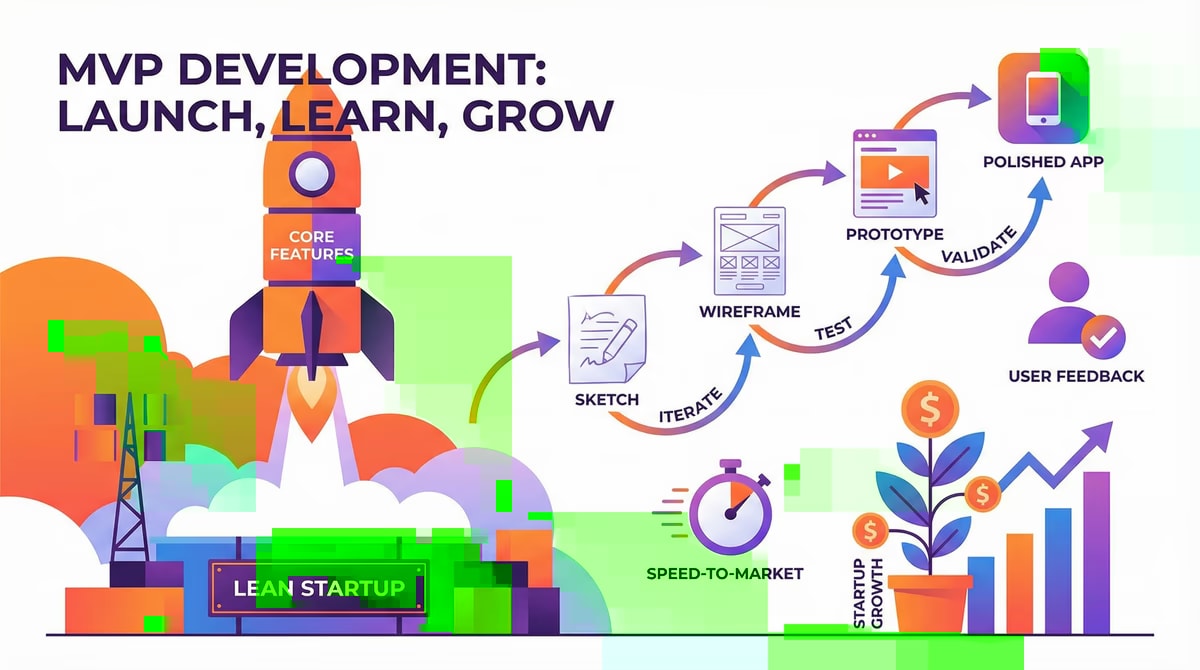
What is a MVP and why is it so important?
♪ From the idea to the MVP: Realistic cost planning > > The path from a brilliant business idea to a functioning product is exciting and full of challenges. One of the first un...

How to connect your company systems for sustainable success
In today's business world marked by digital transformation, data is the undisputed elixir of life of every company. They are the basis for innovation, efficiency and sound...

Venture Capital for Software Development: Opportunities and Risks
In the dynamic world of software development, access to capital is often the decisive factor that decides on the success or failure of an innovative start-up. One of the famous...
Free download
Checklist: 10 questions before software development
Key points before you start: budget, timeline, and requirements.
Get the checklist in a consultationRelevant next steps
Related services & solutions
Based on this article's topic, these pages are often the most useful next steps.
Related services
Related solutions
Cost calculators
Practical next steps after Digitization in the middle class: How the automation of processes paves the way to success
Digitization in the middle class: How the automation of processes paves the way to success addresses a practical choice for product and IT teams. Start with one clear goal: align software scope, technical risk, and business value before the next investment.
Check the current process, the data involved, and the result users need. Then record the main risks and define a small first step. This keeps the decision easy to review and gives your team a shared basis.
For implementation support, our custom software development connects the article's guidance with architecture, delivery, and stable operations. Engineering and project ownership stay with our team in Leer, Germany.
This post belongs to Software development. Browse the related Software development articles or use the English software blog for other topics.
When budget is the next question, the software cost calculators provide planning ranges. The IT glossary explains key terms, while in-depth technology guides cover wider decisions.
If the topic affects a live project, book a technical consultation or send the context through our project contact form. We usually reply within one working day.