As of: 19 June 2026 · Reading time: 4 min
Key takeaways
- In today's rapidly changing digital landscape, many companies face the challenge of modernizing or replacing outdated software systems.
In today's rapidly changing digital landscape, many companies face the challenge of modernizing or replacing outdated software systems. The decision, an *...
“Good software is not an accident—it comes from a structured development process with clear quality standards.”
– Björn Groenewold, Managing Director, Groenewold IT Solutions
Successful software replacements are based on lessons learned from practice: plan sufficient time for data migration, choose parallel operation over big bang, deploy key users as change agents, and secure documentation of the legacy system before replacement.
In today's rapidly changing digital landscape, many companies face the challenge of modernizing or replacing outdated software systems.
The decision to replace old software is often the beginning of a complex project that goes far beyond pure technology.
In this article, we share practical findings and proven procedures that help you successfully shape your software release project.
Why software release is necessary
Short: Executive answer: In today's rapidly changing digital landscape, many companies face the challenge of modernizing or replacing outdated software systems.
Executive answer: In today's rapidly changing digital landscape, many companies face the challenge of modernizing or replacing outdated software systems.
If Software Resolution: Lessons Learned from Practice is on your roadmap, View services und Discover solutions outline services and next steps.
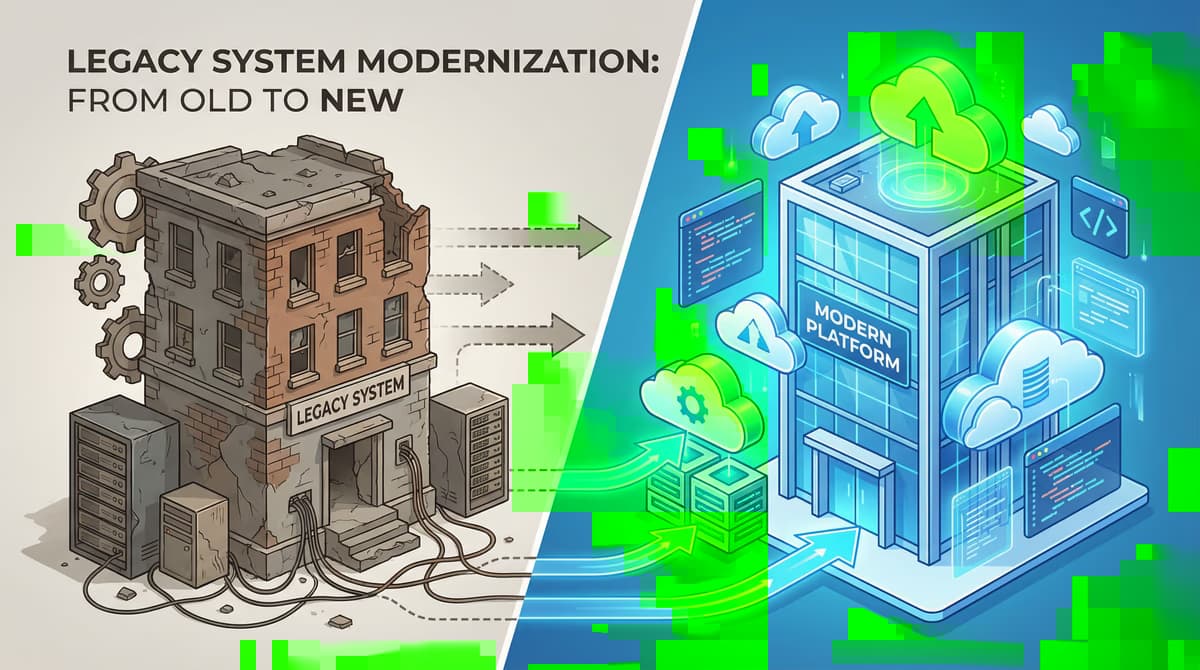
Over time, legacy systems, also called legacy systems, can develop into a significant business risk. The reasons for this are manifold:
- Old technology: The software is based on outdated technologies that are no longer supported and risk security.
- Quality: Adjustments to new business requirements are complicated, expensive or no longer possible.
- High maintenance costs: The maintenance of old systems binds valuable resources that are lacking for innovation.
- Fealing know-how: Experts on old technologies are fast and expensive, making maintenance and development more difficult.
- Integration problems: Connection to modern systems and cloud services is often complicated and susceptible to errors.
Phases of a successful detachment project
Short: A software release project can be roughly divided into four phases.
A software release project can be roughly divided into four phases. Careful planning and implementation of each phase is crucial for overall success.
1. Analysis and strategy development
Short: At the beginning of each detachment project is a thorough analysis of the existing system landscape and business processes.
At the beginning of each detachment project is a thorough analysis of the existing system landscape and business processes. Please clarify the following questions:
- What functions of the old system are critical for business?
- What processes should be improved or redesigned?
- What requirements do future users have?
- What technological and economic objectives are pursued with redemption?
Based on this analysis, you will develop a clear strategy for detachment. There are different approaches, such as the "Big Bang" (replace everything at once) or a gradual migration.
2. Selection of the new solution
Short: Choosing the right software is a critical success factor.
Choosing the right software is a critical success factor. Instead of being dazzled by a long list of features, you should focus on the core requirements of your company.
Perform a Proof of Concept (PoC) with one or two favorite providers to verify the most important functions in practice.
Please also take into account the experience of the provider with the Alte software and ask for references.
3. Implementation and Migration
Short: The implementation phase is often the most elaborate and time-intensive.
The implementation phase is often the most elaborate and time-intensive. A detailed project plan with clear milestones and verantwor
References and further reading
Short: The following independent references complement the topics in this article:
The following independent references complement the topics in this article:
- Bitkom – German digital industry association
- German Federal Office for Information Security (BSI)
- European Commission – Digital strategy
- MDN Web Docs (Mozilla)
- W3C – World Wide Web Consortium
Frequently Asked Questions (FAQ)
What is this article about: “Software Resolution: Lessons Learned from Practice”?
Here we cover Software Resolution: Lessons Learned from Practice — focused on architecture, process, and business outcomes.
In short: In today's rapidly changing digital landscape, many companies face the challenge of modernizing or replacing outdated software systems. The decision, an *...
Who benefits most from the content described here?
Typical readers are business and IT leaders in Software development who want to secure quality, security, and maintainability over the long term.
How does this topic fit into an IT or digital strategy?
In a digital strategy, prioritize stable core processes first, then extensions. See also professional software development and consulting. For multi-system landscapes, IT consulting and architecture helps align vendors and internal teams.
What are sensible next steps if we need support?
If you need support with design, delivery, or modernization: schedule an appointment or outline your project via contact.
About the author

Managing Director of Groenewold IT Solutions GmbH and Hyperspace GmbH
Since 2009 Björn Groenewold has been developing software solutions for the mid-market. He is Managing Director of Groenewold IT Solutions GmbH (founded 2012) and Hyperspace GmbH. As founder of Groenewold IT Solutions he has successfully supported more than 250 projects – from legacy modernisation to AI integration.
Blog recommendations
Related articles
These posts might also interest you.
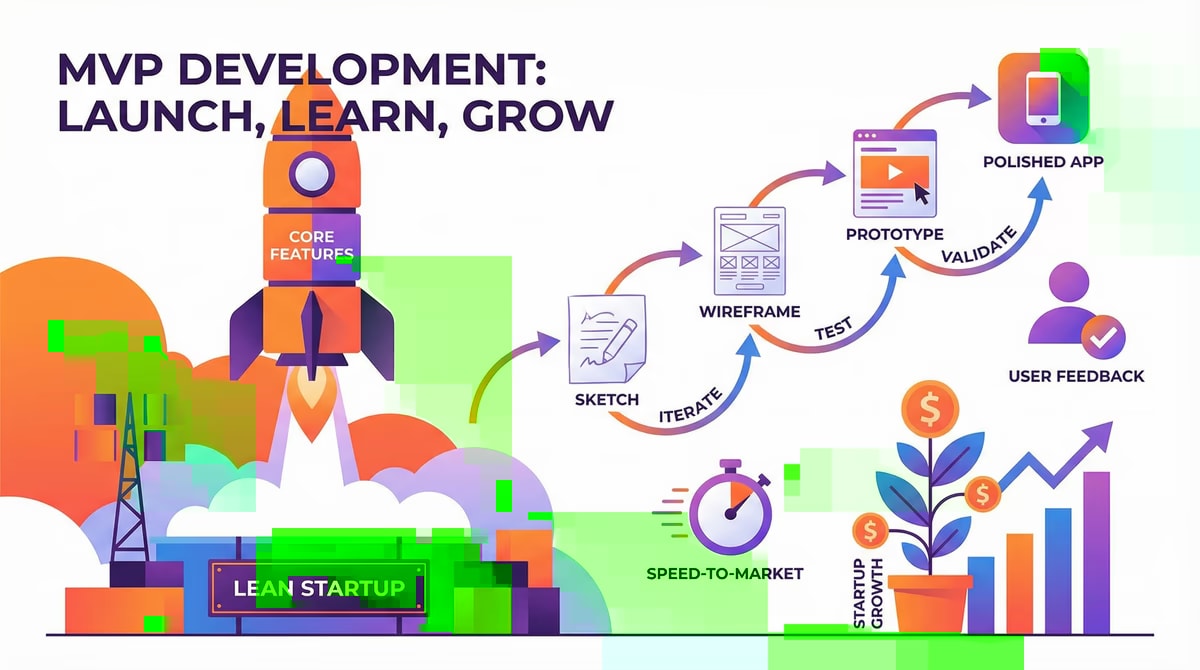
MVP development outsource: cost and benefits compared
The decision to develop a minimum Viable Product (MVP) is a decisive step for start-ups and established companies. It allows a product idea with minimal...
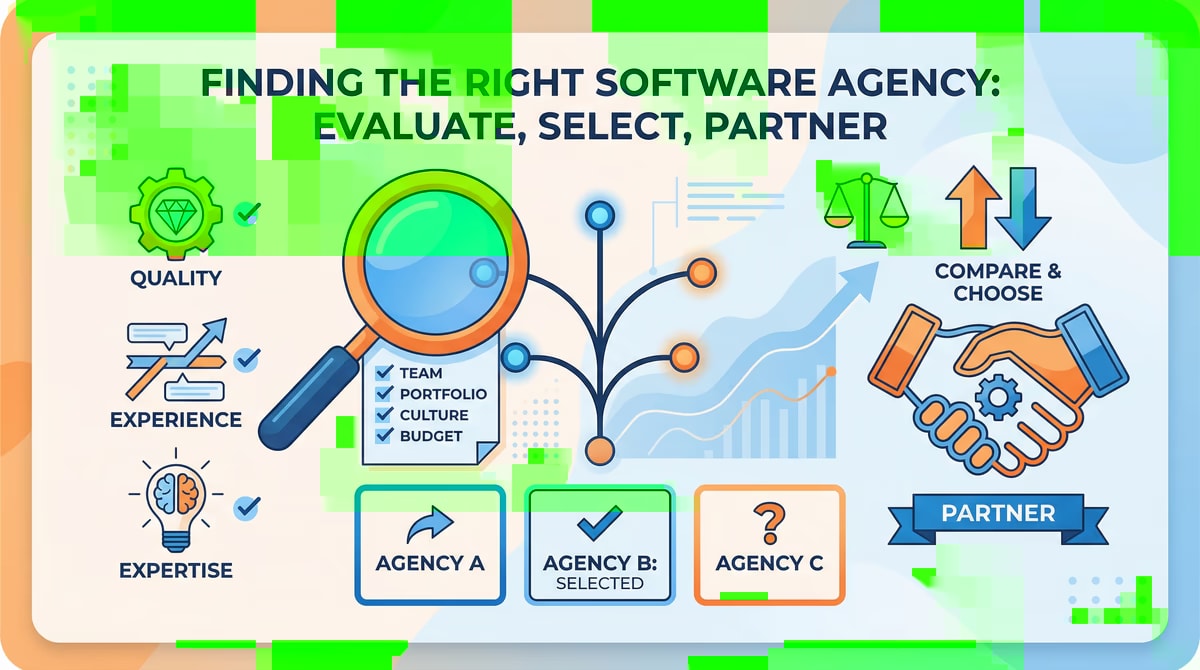
Build developer team vs. commission agency: The right choice for your software project
The decision whether a company builds an internal team for the development of its software or commissions an external agency is of strategic importance. Both models, **Inhouse vs....

Outsourcing Trends 2026: What changes for your business
The world of IT is changing rapidly, and thus also the way companies approach their software development projects. While some companies continue to rely on internal teams, discover...
Free download
Checklist: 10 questions before software development
Key points before you start: budget, timeline, and requirements.
Get the checklist in a consultationRelevant next steps
Related services & solutions
Based on this article's topic, these pages are often the most useful next steps.
Related services
Related solutions
More on Software development and next steps
This article is in the Software development topic. In our blog overview you will find all articles; under category Software development more posts on this subject.
For topics like Software development we offer matching services – from app development and AI integration to legacy modernisation and maintenance. We describe typical use cases under solutions. Our cost calculators give initial estimates. Key terms are in the IT glossary. Books and long-form guides appear on the publications page; deeper articles live under topics.
If you have questions about this article or want a non-binding discussion about your project, you can book a consultation or reach us via contact. We usually respond within one working day.