
As of: 19 June 2026 · Reading time: 4 min
Key takeaways
- In today's globalised economy, an efficient and transparent supply chain is a decisive competitive advantage.
- Companies face the challenge of their transport processes ...
In today's globalised economy, an efficient and transparent supply chain is a decisive competitive advantage. Companies face the challenge of their transport processes ...
“Good software is not an accident—it comes from a structured development process with clear quality standards.”
– Björn Groenewold, Managing Director, Groenewold IT Solutions
Transport Management Systems (TMS) improve freight planning, carrier selection, route calculation, and freight cost billing.
Integration with warehouse management (WMS) and ERP creates seamless data flow from order intake to delivery.
In today's globalised economy, an efficient and transparent supply chain is a decisive competitive advantage. Companies face the challenge of improving their transport processes, reducing costs and increasing customer satisfaction.
A key technology that plays a central role here is the Transport Management System (TMS). But what exactly hides behind this concept and what concrete benefits such **Software for Logistics offers **?
What is a Transport Management System (TMS)?
Short: Executive answer: In today's globalised economy, an efficient and transparent supply chain is a decisive competitive advantage.
Executive answer: In today's globalised economy, an efficient and transparent supply chain is a decisive competitive advantage.
For Transport Management Systems: Efficiency in supply chain, AI & Machine Learning, Cost Calculator: AI Development sowie Solution: Logistics help you align implementation, scope and budget before you commit.
A transport management system, in short TMS, is a software solution that helps companies plan, execute and improve their transport and logistics processes.
It acts as a central platform for all transport-relevant activities and allows continuous control and monitoring of the entire supply chain.
From order management to tour planning to freight billing – a TMS bundles all information and processes in one place.
Core functions of TMS
Short: Modern transport management systems offer a variety of functions that can be tailored to the specific needs of companies.
Modern transport management systems offer a variety of functions that can be tailored to the specific needs of companies. Among the most important are:
- Commission management: Collection and management of transport orders.
- Tour planning and optimization: Intelligent planning of routes taking into account factors such as distance, traffic volume and delivery times.
- Additional guide and tariff management: Selection of the appropriate service provider based on cost, reliability and capacity.
- Send tracking in real time: Uninterrupted transparency about the status and location of shipments.
- Reporting and analysis: Creation of reports and dashboards to monitor KPIs and identify optimization potentials.
- Quality billing and audit: Automated billing processes and verification of freight bills.
The advantages of a TMS for your supply chain
Short: Implementation of a ** Software for Logistics** like a TMS brings many advantages that directly affect the efficiency and profitability of a company.
Implementation of a ** Software for Logistics** like a TMS brings many advantages that directly affect the efficiency and profitability of a company.
The following table gives an overview of the main benefits:
| Advantage | Description |
|---|---|
| ** Cost reduction** Thanks to optimised route planning, better utilization of the vehicles and the selection of the cheapest freight carriers, transport costs can be significantly reduced. | |
| ** Efficiency increase | Automated processes and central data management reduce manual effort, minimize errors and speed up the entire processes. |
- Increased transparency** Real-time performance tracking allows proactive communication with customers and partners and improves planability along the entire line
References and further reading
Short: The following independent references complement the topics in this article:
The following independent references complement the topics in this article:
- Bitkom – German digital industry association
- German Federal Office for Information Security (BSI)
- European Commission – Digital strategy
- MDN Web Docs (Mozilla)
- W3C – World Wide Web Consortium
Frequently Asked Questions (FAQ)
What is this article about: “Transport Management Systems: Efficiency in supply chain”?
This article summarizes practical aspects of Transport Management Systems: Efficiency in supply chain for decision-makers and delivery teams.
In short: In today's globalised economy, an efficient and transparent supply chain is a decisive competitive advantage. Companies face the challenge of their transport processes ...
Who benefits most from the content described here?
It is especially relevant for organizations in Software development that need reliable systems, clear interfaces, and predictable delivery — from mid-market teams to specialized departments.
How does this topic fit into an IT or digital strategy?
You can map the topic to service building blocks such as custom software and delivery support: architecture reviews and iterative rollout reduce risk and rework. For multi-system landscapes, IT consulting and architecture helps align vendors and internal teams.
What are sensible next steps if we need support?
For architecture, implementation, or a second expert opinion, book a free initial consultation — including timeline and interface alignment.
About the author

Managing Director of Groenewold IT Solutions GmbH and Hyperspace GmbH
Since 2009 Björn Groenewold has been developing software solutions for the mid-market. He is Managing Director of Groenewold IT Solutions GmbH (founded 2012) and Hyperspace GmbH. As founder of Groenewold IT Solutions he has successfully supported more than 250 projects – from legacy modernisation to AI integration.
Blog recommendations
Related articles
These posts might also interest you.
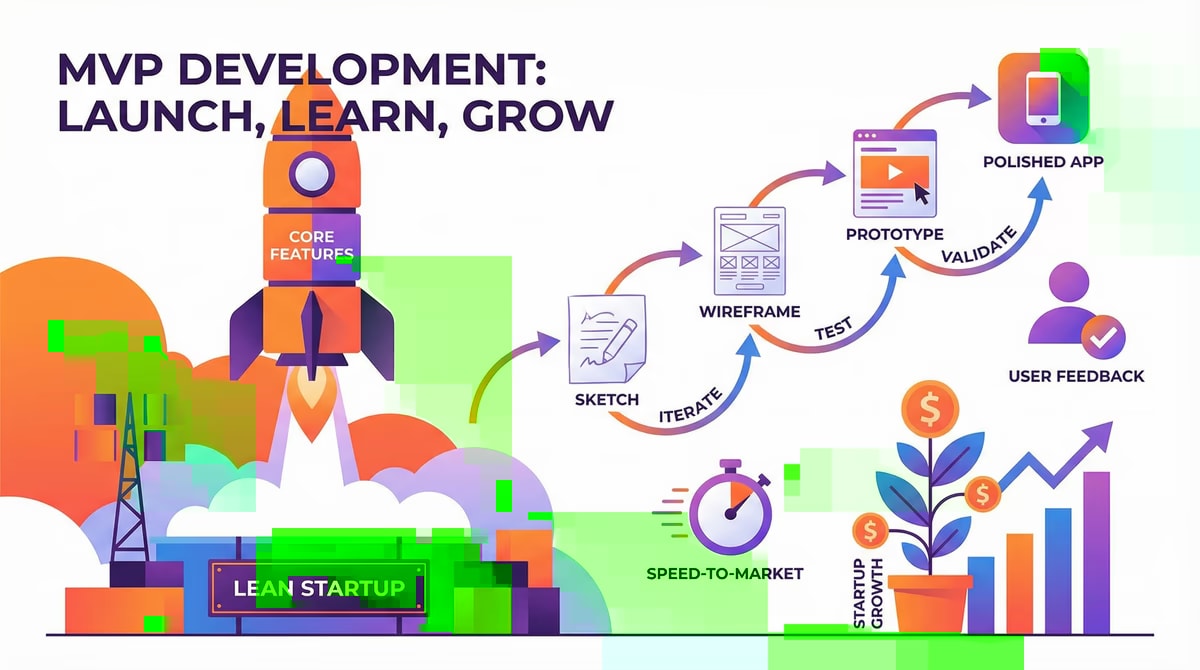
MVP development outsource: cost and benefits compared
The decision to develop a minimum Viable Product (MVP) is a decisive step for start-ups and established companies. It allows a product idea with minimal...
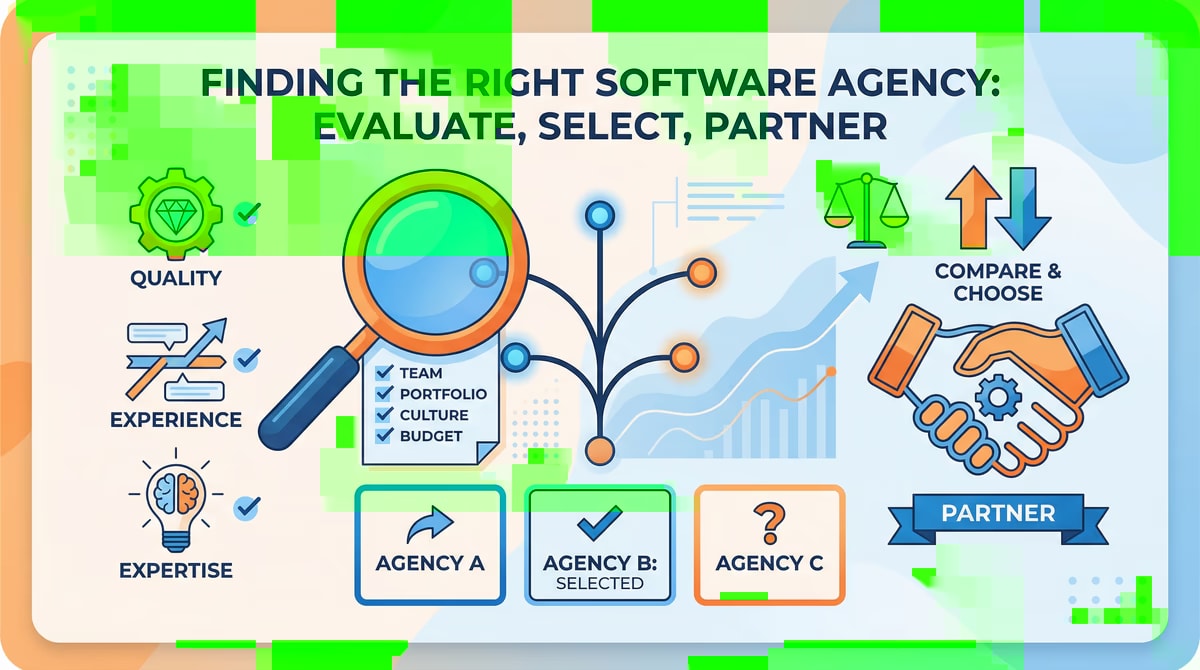
Build developer team vs. commission agency: The right choice for your software project
The decision whether a company builds an internal team for the development of its software or commissions an external agency is of strategic importance. Both models, **Inhouse vs....

Outsourcing Trends 2026: What changes for your business
The world of IT is changing rapidly, and thus also the way companies approach their software development projects. While some companies continue to rely on internal teams, discover...
Free download
Checklist: 10 questions before software development
Key points before you start: budget, timeline, and requirements.
Get the checklist in a consultationRelevant next steps
Related services & solutions
Based on this article's topic, these pages are often the most useful next steps.
Related services
Related solutions
Cost calculators
More on Software development and next steps
This article is in the Software development topic. In our blog overview you will find all articles; under category Software development more posts on this subject.
For topics like Software development we offer matching services – from app development and AI integration to legacy modernisation and maintenance. We describe typical use cases under solutions. Our cost calculators give initial estimates. Key terms are in the IT glossary. Books and long-form guides appear on the publications page; deeper articles live under topics.
If you have questions about this article or want a non-binding discussion about your project, you can book a consultation or reach us via contact. We usually respond within one working day.