As of: 19 June 2026 · Reading time: 4 min
Key takeaways
- > # ERP introduction in the middle class: planning, costs and success factors > > Digitization poses major challenges to medium-sized companies, but also offers immense opportunities.
> # ERP introduction in the middle class: planning, costs and success factors > > Digitization poses major challenges to medium-sized companies, but also offers immense opportunities. Egg...
“Good software is not an accident—it comes from a structured development process with clear quality standards.”
– Björn Groenewold, Managing Director, Groenewold IT Solutions
A thorough planning phase is the best investment against budget overruns and feature creep.
It includes: stakeholder analysis, requirements documentation, technical feasibility assessment, prototyping, and definition of acceptance criteria — before a single line of code is written.
ERP introduction in the middle class: planning, costs and success factors
Short: Digitization poses major challenges to medium-sized companies, but also offers immense opportunities.
Digitization poses major challenges to medium-sized companies, but also offers immense opportunities.
One of the most important strategic decisions on this path is the implementation of an enterprise resource planning system, in short ERP.
A successful ERP introduction in mid-level can improve processes, increase efficiency and sustainably secure competitiveness. But how does such a project succeed?
This paper highlights the crucial aspects from planning to costs to critical success factors. ♪ The planning phase: The foundation for success Careful and complete planning is the foundation for a successful ERP introduction.
Early decisions or insufficient analysis of their own needs often lead to costly errors and a system that does not meet expectations.
Requirement analysis and target definition
Short: Executive answer: > # ERP introduction in the middle class: planning, costs and success factors > > Digitization poses major challenges to medium-sized companies, but also offers immense opportunities.
Executive answer: > # ERP introduction in the middle class: planning, costs and success factors > > Digitization poses major challenges to medium-sized companies, but also offers immense opportunities.
For The planning phase: The foundation for success, see View services und Discover solutions on our website for implementation paths and planning.
Before looking for a suitable system, you need to understand your own processes and requirements. For this purpose, connect employees from all relevant departments to get a complete picture.
Ask yourself the following questions:
- What processes should be mapped by the ERP system?
- Where are the current weaknesses and bottlenecks?
- What specific objectives should be achieved with the introduction (e.g. cost reduction, efficiency increase, better data quality)?
- Which interfaces to other systems are required? The results of this analysis form the basis for the specifications that will serve potential suppliers as the basis for their offers.
Selection of the right partner and system
Short: The market for ERP systems is large and unclear.
The market for ERP systems is large and unclear. In addition to the large, internationally renowned suppliers, there are many specialized solutions for certain industries or company sizes.
In the selection, you should pay attention not only to the functionality, but also to the sustainability, scalability and user-friendliness of the software.
At least as important is the choice of the right implementation partner.
This should bring not only technical know-how, but also industry experience and a deep understanding of the processes in the middle class.
Costs of ERP introduction: A realistic calculation
The cost of an ERP introduction can vary greatly and depend on many factors. A transparent and realistic budget planning is essential to avoid financial bottlenecks during the project. The total costs typically consist of the following components: | Cost factor | Description | Share of total cost (ca.) |
References and further reading
Short: The following independent references complement the topics in this article:
The following independent references complement the topics in this article:
- Bitkom – German digital industry association
- German Federal Office for Information Security (BSI)
- European Commission – Digital strategy
- MDN Web Docs (Mozilla)
- W3C – World Wide Web Consortium
Frequently Asked Questions (FAQ)
What is this article about: “The planning phase: The foundation for success”?
This article summarizes practical aspects of The planning phase: The foundation for success for decision-makers and delivery teams.
In short: > # ERP introduction in the middle class: planning, costs and success factors > > Digitization poses major challenges to medium-sized companies, but also offers immense opportunities. Egg...
Who benefits most from the content described here?
It is especially relevant for organizations in Software development that need reliable systems, clear interfaces, and predictable delivery — from mid-market teams to specialized departments.
How does this topic fit into an IT or digital strategy?
You can map the topic to service building blocks such as custom software and delivery support: architecture reviews and iterative rollout reduce risk and rework. For multi-system landscapes, IT consulting and architecture helps align vendors and internal teams.
What are sensible next steps if we need support?
For architecture, implementation, or a second expert opinion, book a free initial consultation — including timeline and interface alignment.
About the author

Managing Director of Groenewold IT Solutions GmbH and Hyperspace GmbH
Since 2009 Björn Groenewold has been developing software solutions for the mid-market. He is Managing Director of Groenewold IT Solutions GmbH (founded 2012) and Hyperspace GmbH. As founder of Groenewold IT Solutions he has successfully supported more than 250 projects – from legacy modernisation to AI integration.
Blog recommendations
Related articles
These posts might also interest you.
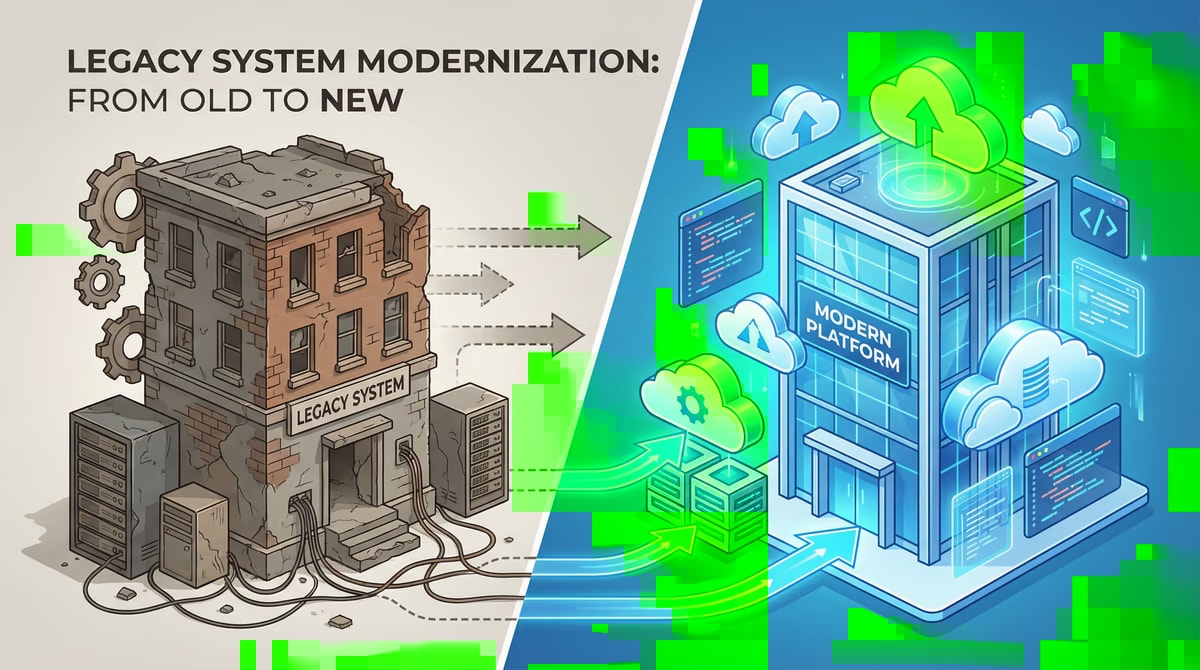
Altsystem migration: How to change without interruption of operation
In today's rapidly changing digital landscape, many companies face the challenge of modernizing outdated IT systems. A Altsystem migration is often unavoidable...
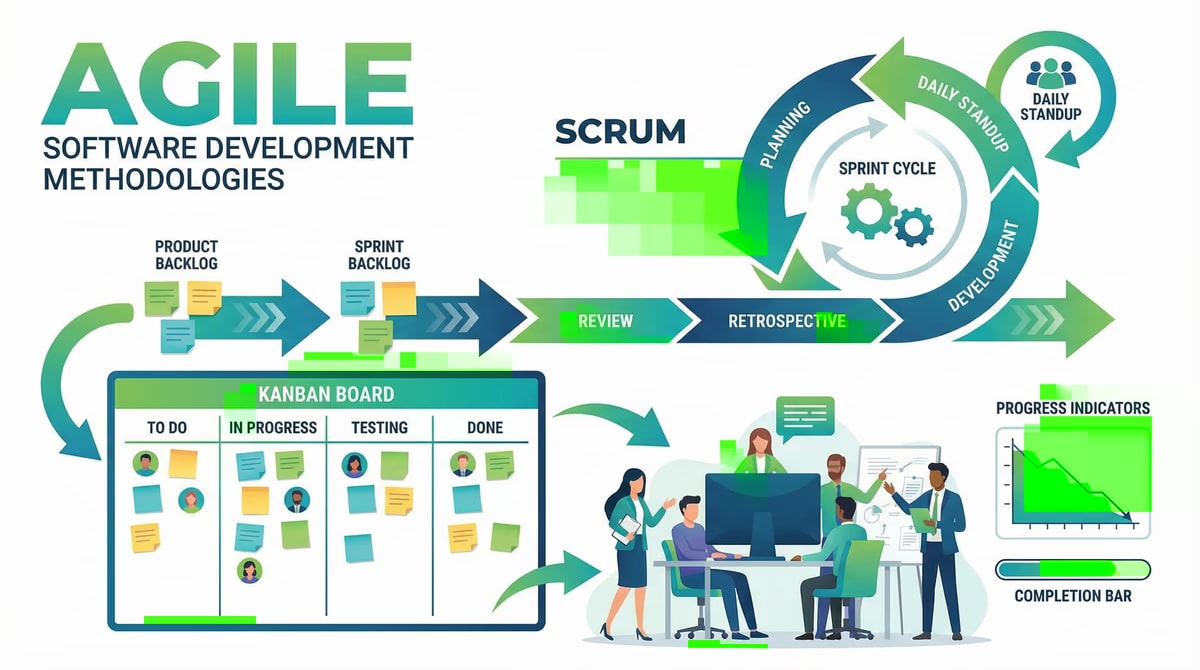
Onshore development: A profit for agile projects
In today's fast-paced digital world, companies increasingly rely on agile development methods to remain competitive. At the same time, the decision for the right sourcin...

Digitization in the middle class: The 8 most common mistakes and how to avoid them
Digitization is no longer a trend for the German middle class, but a need to remain competitive. But the way to the digital future is often paved with hurdles...
Free download
Checklist: 10 questions before software development
Key points before you start: budget, timeline, and requirements.
Get the checklist in a consultationRelevant next steps
Related services & solutions
Based on this article's topic, these pages are often the most useful next steps.
Related services
Related solutions
More on Software development and next steps
This article is in the Software development topic. In our blog overview you will find all articles; under category Software development more posts on this subject.
For topics like Software development we offer matching services – from app development and AI integration to legacy modernisation and maintenance. We describe typical use cases under solutions. Our cost calculators give initial estimates. Key terms are in the IT glossary. Books and long-form guides appear on the publications page; deeper articles live under topics.
If you have questions about this article or want a non-binding discussion about your project, you can book a consultation or reach us via contact. We usually respond within one working day.