
As of: 23 September 2026 · Reading time: 4 min
Key takeaways
- In today's digital world of work, the use of cloud software for companies has become almost indispensable.
- The flexibility, scalability and cost efficiency of cloud solutions offer...
In today's digital world of work, the use of cloud software for companies has become almost indispensable. The flexibility, scalability and cost efficiency of cloud solutions offer...
“Good software is not an accident—it comes from a structured development process with clear quality standards.”
– Björn Groenewold, Managing Director, Groenewold IT Solutions
In today's digital world of work, the use of cloud software for companies has become almost vital.
The room to adapt, scalability and cost efficiency of cloud solutions offer enormous benefits.
However, the use of cloud services also involves data protection duties, in specific with regard to the General Data Protection Regulation (GDPR).
In this post, you will learn what you need to pay attention to when selecting and using cloud software to ensure GDPR compliance.
The legal basis: GDPR and cloud computing
In today's digital world of work, the use of cloud software for companies has become almost vital.
If GDPR and Cloud Software: What you need to consider is on your roadmap, IT Security und Discover solutions outline services and next steps.
The GDPR regulates the protection of personal data from EU citizens.
Once you store or process personal data from your customers, employees or business partners in the cloud, you are subject to the strict needs of the GDPR.
This applies regardless of whether it is a public, private or hybrid cloud.
What do you need to look at when choosing a cloud provider?
Choosing the right cloud provider is crucial for compliance with GDPR. Not every provider meets the needed needs.
Here are some important criteria that you should consider in your decision:
- Server location: The physical location of the servers on which your data is stored is of great importance. Ideally, the servers in the European Union or in a country should have a reasonable level of data protection recognised by the EU Commission. Data centers in Germany offer the highest legal certainty.
- Contract Processing Contract (AVV): Connect with the cloud provider a contract processing contract (AVV) according to Art. 28 GDPR. This contract regulates the rights and duties of both parties in dealing with the personal data and ensures that the provider processes the data only after your instructions.
- Technical and organizational measures (TOMs): The cloud provider must show appropriate technical and organisational measures to ensure data security. These include encryption, access controls and regular security checks.
The challenge of data transfer to third countries
Specific attention is paid to data transfer to countries outside the EU, so-called third countries. With its "Schrems II".
Judgment, the European Court of Justice (ECJ) declared the EU-US Privacy Shield invalid. This means that the data transfer to the USA is no longer easily permissible.
US cloud providers are so only an option if there are extra guarantees such as the EU standard contractual clauses and an custom review of the data protection level in the third country.
Checklist: Important aspects for GDPR-compliant cloud use
| Aspect | Description |
|---|---|
| Server location | Preferred EU/EEA or countries with Angem |
On the numbers: Survey and market figures without an inline footnote follow common public reports (e.g. Bitkom) and official statistics (Destatis). Practical examples: Groenewold IT internal data, 2026.
References and further reading
The following separate references complement the topics in this article:
- Bitkom – German digital industry association.
- German Federal Office for Information Security (BSI).
- European Commission – Digital strategy.
- MDN Web Docs (Mozilla)
- W3C – World Wide Web Consortium.
"Privacy by design is an architecture issue—especially when master data is personal."
— Björn Groenewold, Managing Director, Groenewold IT Solutions
Frequently Asked Questions (FAQ)
What is this article about: “GDPR and Cloud Software: What you need to consider”?
This article sums up practical aspects of GDPR and Cloud Software. What you need to consider for leaders and delivery teams. In short.
In today's digital world of work, the use of cloud software for companies has become almost vital.
Who benefits most from the content described here?
It is especially relevant for firms in Software development that need reliable systems, clear interfaces, and predictable delivery — from mid-market teams to expert departments.
How does this topic fit into an IT or digital strategy?
You can map the topic to service building blocks such as custom software and delivery support. Architecture reviews and stepwise rollout reduce risk and rework.
For multi-system landscapes, IT consulting and architecture helps align vendors and internal teams.
What are sensible next steps if we need support?
For architecture, rollout, or a second expert opinion, book a free initial consultation — including timeline and interface alignment.
About the author

Managing Director of Groenewold IT Solutions GmbH and Hyperspace GmbH
Since 2009 Björn Groenewold has been developing software solutions for the mid-market. He is Managing Director of Groenewold IT Solutions GmbH (founded 2010) and Hyperspace GmbH. As founder of Groenewold IT Solutions he has successfully supported more than 250 projects – from legacy modernisation to AI integration.
Blog recommendations
Related articles
These posts might also interest you.
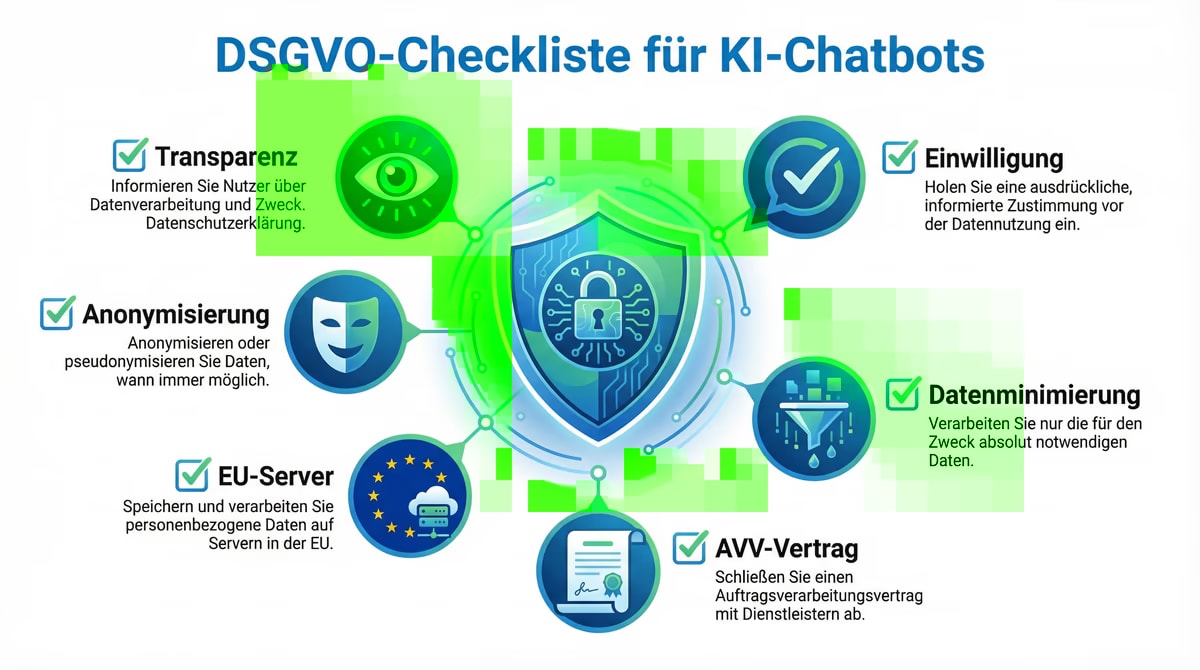
Contract processing: GDPR-compliant contracts with developers
In today's digital economy, collaboration with external software developers is a key success factor for many companies. But once personal data come into play...

Regional software development: The advantages of proximity and quality
In an increasingly globalised world, it may seem contraintuitive to rely on regional partners in software development. But the proximity to the service provider offers decisive advance...
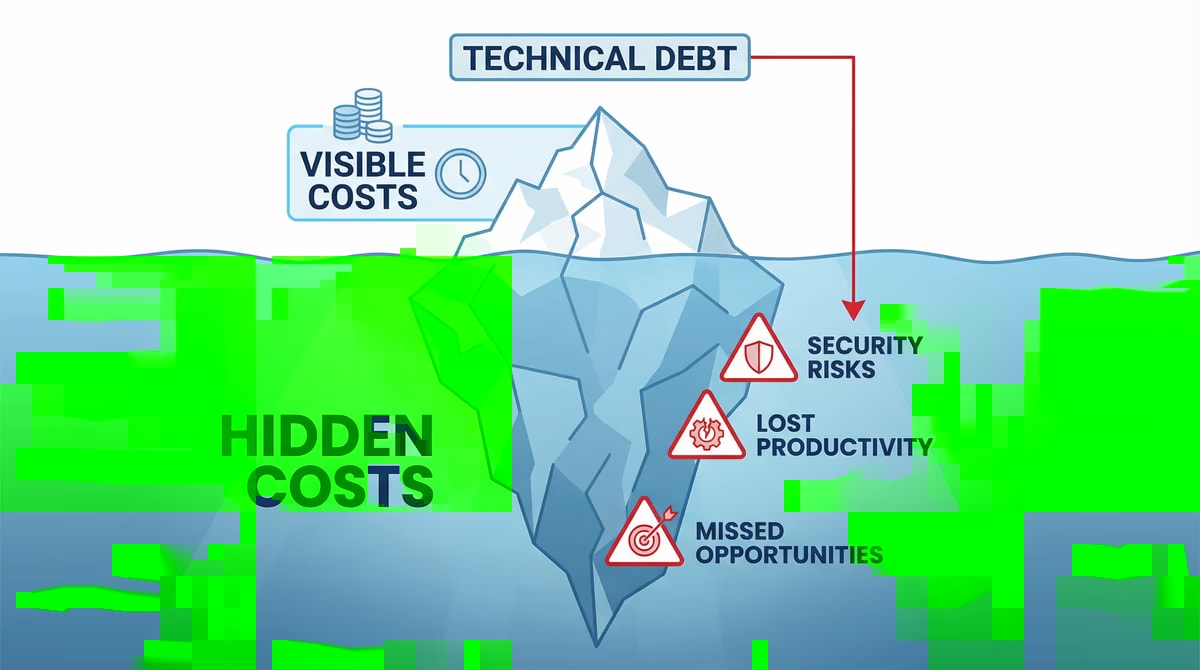
Measuring technical debt: metrics and tools for a clean code base
The term "technical debt" is ubiquitous in software development. It describes the implicit costs, which are due to the decision for a simple but limited solution instead of...
Free download
Checklist: 10 questions before software development
Key points before you start: budget, timeline, and requirements.
Get the checklist in a consultationRelevant next steps
Related services & solutions
Based on this article's topic, these pages are often the most useful next steps.
Related services
Related solutions
Practical next steps after GDPR and Cloud Software: What you need to consider
GDPR and Cloud Software: What you need to consider addresses a practical choice for product and IT teams. Start with one clear goal: align software scope, technical risk, and business value before the next investment.
Check the current process, the data involved, and the result users need. Then record the main risks and define a small first step. This keeps the decision easy to review and gives your team a shared basis.
For implementation support, our custom software development connects the article's guidance with architecture, delivery, and stable operations. Engineering and project ownership stay with our team in Leer, Germany.
This post belongs to Software development. Browse the related Software development articles or use the English software blog for other topics.
When budget is the next question, the software cost calculators provide planning ranges. The IT glossary explains key terms, while in-depth technology guides cover wider decisions.
If the topic affects a live project, book a technical consultation or send the context through our project contact form. We usually reply within one working day.