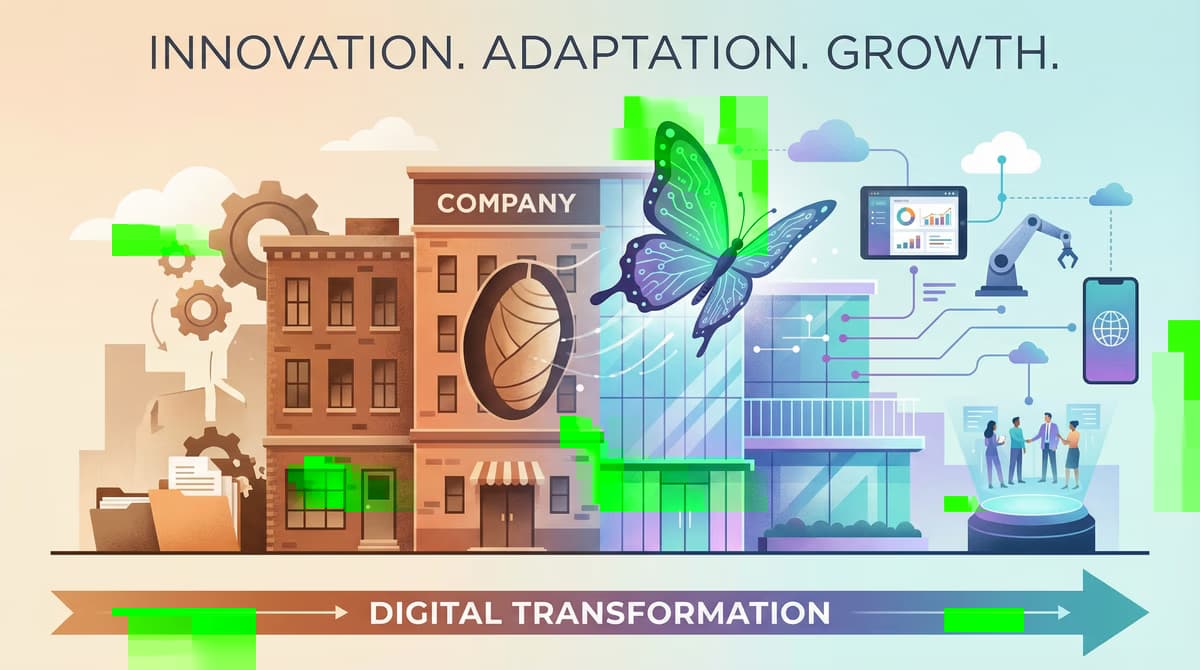
As of: 23 September 2026 · Reading time: 4 min
Key takeaways
- The digital transformation is no longer a foreign word for small and medium-sized enterprises (SMEs).
- Many have taken first steps to digitize their business processes and...
The digital transformation is no longer a foreign word for small and medium-sized enterprises (SMEs). Many have taken first steps to digitize their business processes and...
“Good software is not an accident—it comes from a structured development process with clear quality standards.”
– Björn Groenewold, Managing Director, Groenewold IT Solutions
Digital transformation: Next steps for your SME
The digital transformation is no longer a foreign word for small and midsize companies (SMEs).
Many have taken first steps to digitize their business processes and strengthen their online presence. But digitization is not a single project, but a continuous process.
After the foundations are created, the question arises for many entrepreneurs. What are the next meaningful steps on the path of digital transformation SMEs?
This post will show you what action fields should be focused now and how to reach the next stage of digital maturity for your company.
The first steps are taken – and now?
The digital transformation is no longer a foreign word for small and midsize companies (SMEs).
For Digital Transformation: The next steps for your SME, Cost Calculator: Software Development and Digitalisation for SMEs are practical starting points on our site.
Most SMEs already have a professional website, are active in social media and use cloud solutions for data storage and collaboration. These basic measures are important.
However, they often scratch only at the surface of what is possible through a profound digital transformation.
Real competitive benefits arise only when digitization is strategically advanced and integrated into all business areas.
The next phase of digitalization focuses on increasing efficiency, developing new business models and making data-based decisions.
It is about using the already created basis to set the company up to date.
The next areas of action of digital transformation for SMEs
In order to successfully continue digital transformation, SMEs should focus on the following four key areas of action:
1. Process optimization and automation
Short: Manual and repetitive tasks cost time and are susceptible to errors.
Manual and repetitive tasks cost time and are susceptible to errors. The next step is so the consistent automation of business processes.
The aim is to relieve employees of routine activities. This means they can concentrate on more value-intensive tasks.
Examples for process automation:
- Automatized invoice processing: Software can automatically collect, check and book invoices.
- Chatbots in customer service: Simple customer requests can be answered 24/7 by Chatbots.
- Robotic Process Automation (RPA): Software robots can perform recurring tasks in different systems, e.g. transferring data between different applications.
2. Making data-driven decisions
In your company, valuable data treasures – from customer data to sales figures to website analyses.
The next step is to systematically analyze this data and use it for strategic decisions. Belly feeling is supplemented by facts.
So you will become a data-driven company:
- Central dashboard: Run all relevant key figures in e.
References and further reading
The following separate references complement the topics in this article:
- Bitkom – German digital industry association.
- German Federal Office for Information Security (BSI).
- European Commission – Digital strategy.
- MDN Web Docs (Mozilla)
- W3C – World Wide Web Consortium.
"Mobile apps need clear offline and security models alongside UX—trust collapses without both."
— Björn Groenewold, Managing Director, Groenewold IT Solutions
Frequently Asked Questions (FAQ)
What is this article about: “Digital Transformation: The next steps for your SME”?
Here we cover Digital Transformation. The next steps for your SME — focused on architecture, process, and business outcomes. In short.
The digital transformation is no longer a foreign word for small and midsize companies (SMEs). Many have taken first steps to digitize their business processes and...
Who benefits most from the content described here?
Typical readers are business and IT leaders in Software development who want to secure quality, security, and ease of upkeep over the long term.
How does this topic fit into an IT or digital strategy?
In a digital strategy, prioritize stable core processes first, then extensions. See also professional software development and consulting.
For multi-system landscapes, IT consulting and architecture helps align vendors and internal teams.
What are sensible next steps if we need support?
If you need support with design, delivery, or modernization: schedule an appointment or outline your project via contact.
About the author

Managing Director of Groenewold IT Solutions GmbH and Hyperspace GmbH
Since 2009 Björn Groenewold has been developing software solutions for the mid-market. He is Managing Director of Groenewold IT Solutions GmbH (founded 2010) and Hyperspace GmbH. As founder of Groenewold IT Solutions he has successfully supported more than 250 projects – from legacy modernisation to AI integration.
Blog recommendations
Related articles
These posts might also interest you.

How to connect your company systems for sustainable success
In today's business world marked by digital transformation, data is the undisputed elixir of life of every company. They are the basis for innovation, efficiency and sound...

Venture Capital for Software Development: Opportunities and Risks
In the dynamic world of software development, access to capital is often the decisive factor that decides on the success or failure of an innovative start-up. One of the famous...
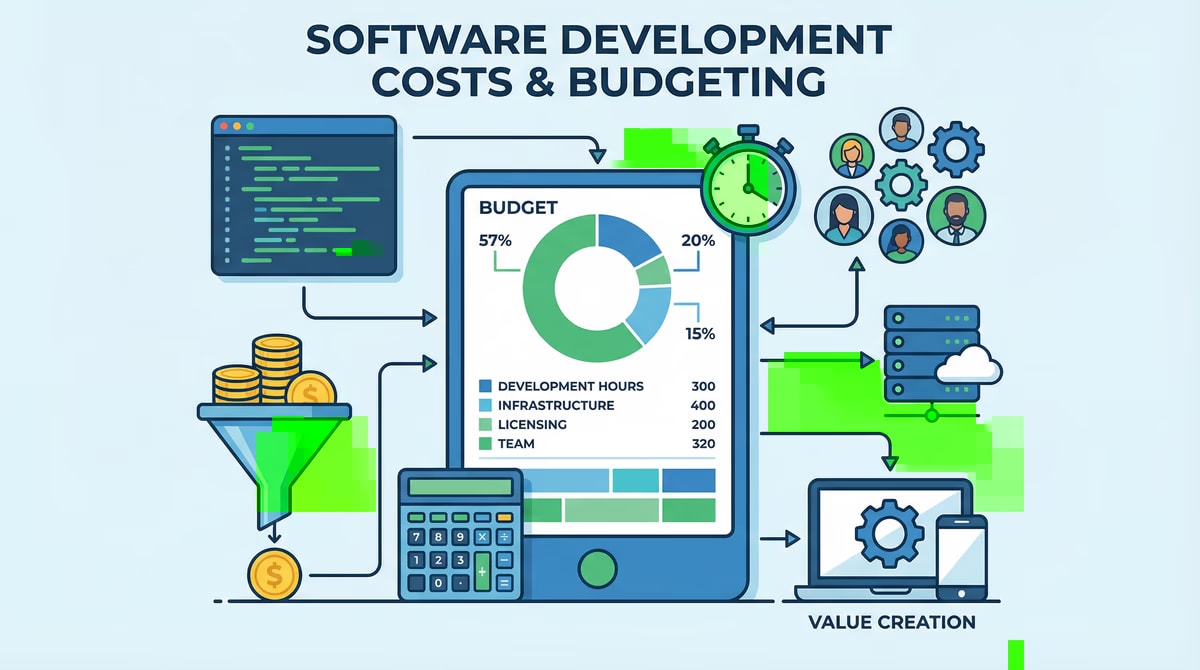
Software funding in the middle class: practical examples and success factors
Digitization poses major challenges to small and medium-sized enterprises (SMEs), but also offers immense opportunities. One of the central hurdles is often Software Financing. How...
Free download
Checklist: 10 questions before software development
Key points before you start: budget, timeline, and requirements.
Get the checklist in a consultationRelevant next steps
Related services & solutions
Based on this article's topic, these pages are often the most useful next steps.
Related services
Related solutions
Cost calculators
Practical next steps after Digital Transformation: The next steps for your SME
Digital Transformation: The next steps for your SME addresses a practical choice for product and IT teams. Start with one clear goal: align software scope, technical risk, and business value before the next investment.
Check the current process, the data involved, and the result users need. Then record the main risks and define a small first step. This keeps the decision easy to review and gives your team a shared basis.
For implementation support, our custom software development connects the article's guidance with architecture, delivery, and stable operations. Engineering and project ownership stay with our team in Leer, Germany.
This post belongs to Software development. Browse the related Software development articles or use the English software blog for other topics.
When budget is the next question, the software cost calculators provide planning ranges. The IT glossary explains key terms, while in-depth technology guides cover wider decisions.
If the topic affects a live project, book a technical consultation or send the context through our project contact form. We usually reply within one working day.