
As of: 19 June 2026 · Reading time: 4 min
Key takeaways
- In today's dynamic working environment, which is characterized by high employee turnover and demographic change, the systematic ** knowledge transfer for employees** becomes a decisive factor...
In today's dynamic working environment, which is characterized by high employee turnover and demographic change, the systematic ** knowledge transfer for employees** becomes a decisive factor...
“Good software is not an accident—it comes from a structured development process with clear quality standards.”
– Björn Groenewold, Managing Director, Groenewold IT Solutions
In today's dynamic working environment, characterised by high employee turnover and demographic change, the systematic ** knowledge transfer for employees** becomes a decisive competitive factor.
Companies that fail to secure and pass on the valuable knowledge of their workforce risk not only the loss of know-how, but also decreasing productivity and innovative power.
But how can the success of knowledge transfer measures be measured at all?
This post shows you how you can visualize and improve knowledge transfer in your company with the correct KPIs and success factors.
Why is measuring knowledge transfer so important?
Short: Executive answer: In today's dynamic working environment, which is characterized by high employee turnover and demographic change, the systematic knowledge transfer for employees becomes a decisive factor.
Executive answer: In today's dynamic working environment, which is characterized by high employee turnover and demographic change, the systematic knowledge transfer for employees becomes a decisive factor.
When planning Measuring knowledge transfer: KPIs and success factors for sustainable… from idea to delivery, Data Analytics & Business Intelligence, Cost Calculator: AI Development, Discover solutions sowie AI & Machine Learning offer practical next steps on our site.
What is not measured is not managed. This old wisdom also applies to knowledge transfer.
Without systematic monitoring of success, it remains unclear whether your investment in mentoring programs, knowledge databases or trainings actually bear fruit. The measurement of knowledge transfer offers you decisive advantages:
- Make it visible: You can show the contribution of knowledge transfer to success.
- Identify points of weakness: You can see at which points of knowledge transfer does not yet work optimally and can specifically counteract.
- ** Improve processes:** Using the data you can continuously improve your methods and instruments.
- Return on Investment (ROI) prove: You can prove the cost-effectiveness of your actions and increase acceptance in management.
Select the right KPIs for knowledge transfer
Short: To measure the success of knowledge transfer, you need a balanced mix of quantitative and qualitative indicators.
To measure the success of knowledge transfer, you need a balanced mix of quantitative and qualitative indicators.
While quantitative KPIs provide hard facts, qualitative indicators indicate the acceptance and cultural anchorage of knowledge transfer.
Quantitative KPIs: Hard facts for success
Short: Quantitative KPIs are measurable sizes that allow you to objectively evaluate your knowledge transfer activities.
Quantitative KPIs are measurable sizes that allow you to objectively evaluate your knowledge transfer activities. The following table gives you an overview of proven key figures:
| KPI | What is measured? | How are the data collected? | ...
Participation in formats | Employee engagement in knowledge transfer measures | Counting participants at workshops, mentoring programs, etc. | | Time-to-Competency The efficiency of onboarding new employees | Time measurement until new employees reach their full productivity | ** Use of knowledge databases
References and further reading
Short: The following independent references complement the topics in this article:
The following independent references complement the topics in this article:
- Bitkom – German digital industry association
- German Federal Office for Information Security (BSI)
- European Commission – Digital strategy
- MDN Web Docs (Mozilla)
- W3C – World Wide Web Consortium
"Privacy by design is an architecture issue—especially when master data is personal."
— Björn Groenewold, Managing Director, Groenewold IT Solutions
Frequently Asked Questions (FAQ)
What is this article about: “Measuring knowledge transfer: KPIs and success factors for sustainable success”?
This article summarizes practical aspects of Measuring knowledge transfer: KPIs and success factors for sustainable success for decision-makers and delivery teams.
In short: In today's dynamic working environment, which is characterized by high employee turnover and demographic change, the systematic ** knowledge transfer for employees** becomes a decisive factor...
Who benefits most from the content described here?
It is especially relevant for organizations in Software development that need reliable systems, clear interfaces, and predictable delivery — from mid-market teams to specialized departments.
How does this topic fit into an IT or digital strategy?
You can map the topic to service building blocks such as custom software and delivery support: architecture reviews and iterative rollout reduce risk and rework. For multi-system landscapes, IT consulting and architecture helps align vendors and internal teams.
What are sensible next steps if we need support?
For architecture, implementation, or a second expert opinion, book a free initial consultation — including timeline and interface alignment.
About the author

Managing Director of Groenewold IT Solutions GmbH and Hyperspace GmbH
Since 2009 Björn Groenewold has been developing software solutions for the mid-market. He is Managing Director of Groenewold IT Solutions GmbH (founded 2012) and Hyperspace GmbH. As founder of Groenewold IT Solutions he has successfully supported more than 250 projects – from legacy modernisation to AI integration.
Blog recommendations
Related articles
These posts might also interest you.

Why data silos pose a serious problem
> # Resolve data silos: Change management don't forget > > In today's data-driven business world, information is the life elixir of each company. But too often are the...
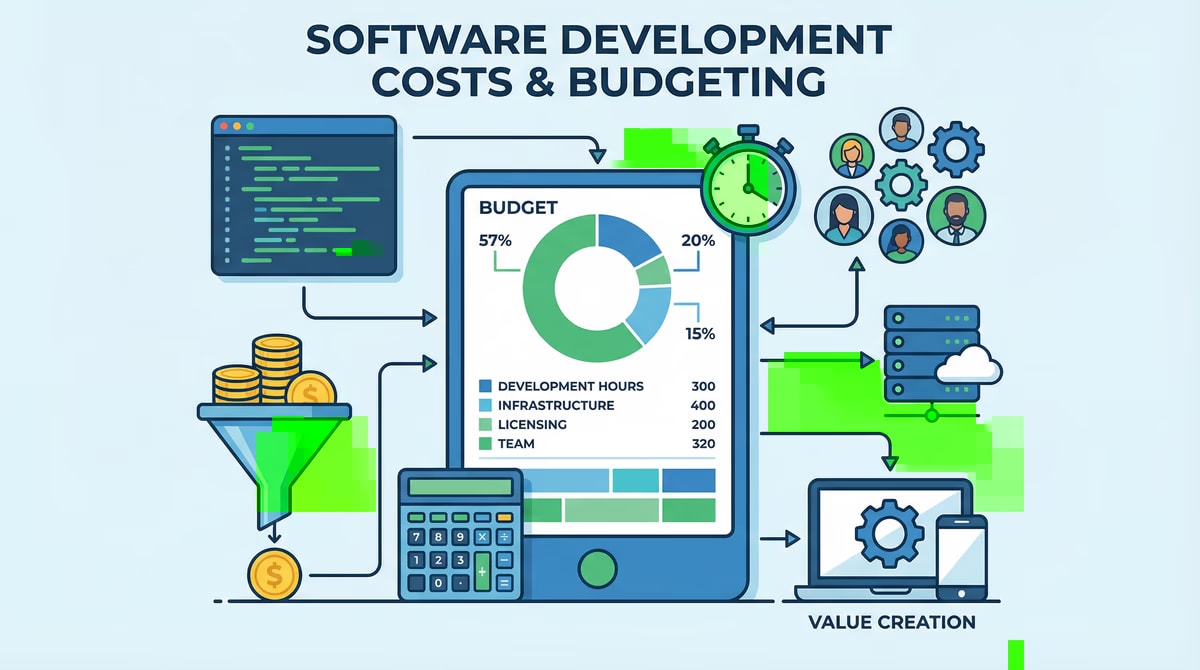
Altsystem Migration: A Guide to Costs and Budgeting
In today's fast-paced digital landscape, outdated IT systems, often referred to as old systems, are a considerable burden for companies. They're not just expensive in maintenance, sonde...
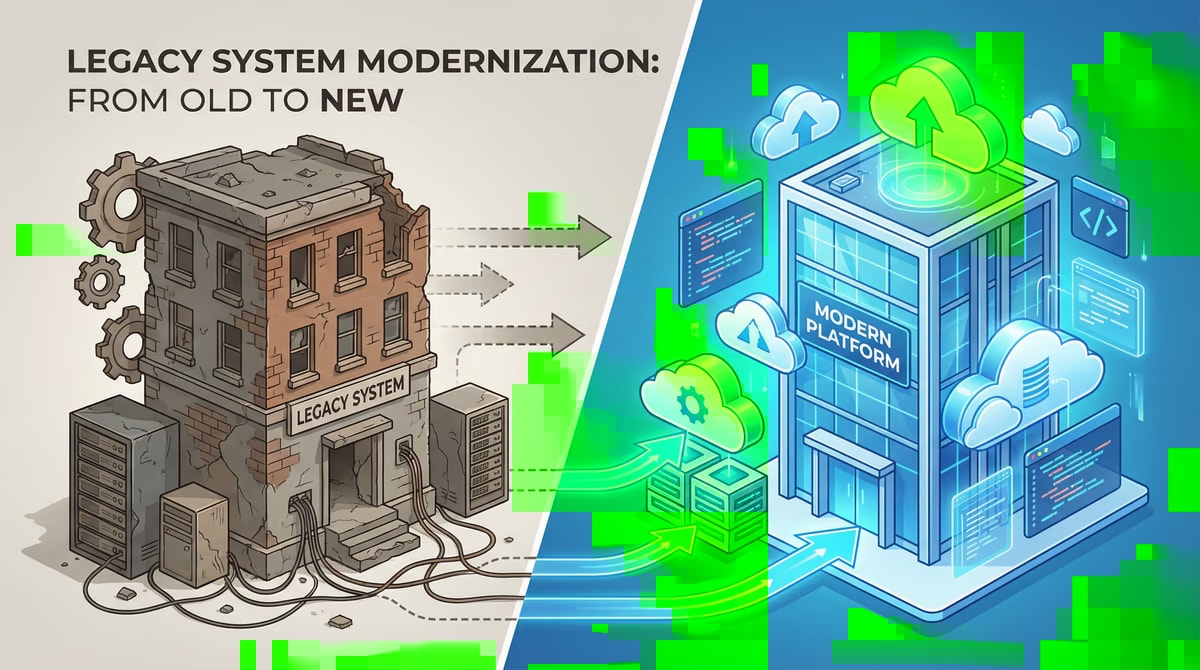
Altsystem migration: The smooth transfer of knowledge
The Altsystem migration is an unavoidable but also a great challenge for many companies. Outdated systems, often referred to as legacy systems, brake the innovative power,...
Free download
Checklist: 10 questions before software development
Key points before you start: budget, timeline, and requirements.
Get the checklist in a consultationRelevant next steps
Related services & solutions
Based on this article's topic, these pages are often the most useful next steps.
Related services
Related solutions
More on Software development and next steps
This article is in the Software development topic. In our blog overview you will find all articles; under category Software development more posts on this subject.
For topics like Software development we offer matching services – from app development and AI integration to legacy modernisation and maintenance. We describe typical use cases under solutions. Our cost calculators give initial estimates. Key terms are in the IT glossary. Books and long-form guides appear on the publications page; deeper articles live under topics.
If you have questions about this article or want a non-binding discussion about your project, you can book a consultation or reach us via contact. We usually respond within one working day.