
As of: 19 June 2026 · Reading time: 4 min
Key takeaways
- > # Resolve data silos: Change management don't forget > > In today's data-driven business world, information is the life elixir of each company.
- But too often are the...
> # Resolve data silos: Change management don't forget > > In today's data-driven business world, information is the life elixir of each company. But too often are the...
“Good software is not an accident—it comes from a structured development process with clear quality standards.”
– Björn Groenewold, Managing Director, Groenewold IT Solutions
Dissolving data silos: Change Management Don't forget
Short: In today's data-driven business world, information is the life elixir of each company.
In today's data-driven business world, information is the life elixir of each company.
But too often these valuable data are caught in so-called data silos – isolated systems that hinder the free flow of data and cooperation between departments.
The resolving data silos has therefore become a strategic priority for many companies. But the technical integration of systems is only half the rent.
At least as important is a well-thought-out change management to take employees along this path and sustainably anchor the change in the company.
Executive answer: > # Resolve data silos: Change management don't forget > > In today's data-driven business world, information is the life elixir of each company.
For Why data silos pose a serious problem, see Data Analytics & Business Intelligence und Discover solutions on our website for implementation paths and planning.
Data silos often arise organically when different departments introduce different software solutions and systems to fulfill their specific tasks.
What initially appears as a pragmatic solution quickly develops into a serious obstacle to the entire organization. The negative effects of data silos are diverse and extend far beyond pure inefficiency:
- Fehlende 360-degree view on the customer: If sales, marketing and customer service work on separate databases, a fragmented image of the customer is created. Personalized offers, proactive service and a consistent customer journey are almost impossible. The result is unsatisfied customers and missed sales opportunities.
- Inefficient and error-prone processes: Employees need to transfer data manually between systems, which is not only time-consuming, but also extremely fault-prone. Such redundant activities demotivate employees and bind valuable resources that could be used for more valuable tasks.
- Dangerous data quality and integrity: Data silos are inevitably inconsistencies and duplicates. This leads to a lack of trust in your own data and forms a bad basis for data-based decisions. Faulty analyses and forecasts can result in expensive strategic misdecisions.
- Research cooperation and departmental selfism: Data silos promote thinking in departmental boundaries. Instead of working together on higher-level corporate goals, each area only improves its own processes. This hinders cross-departmental cooperation and innovation.
- Reducing innovation and digitalization: The introduction of new technologies such as artificial intelligence or machine learning requires an integrated and high-quality database. Data silos are a massive innovation brake here and prevent companies from fully exploiting the opportunities of digitalization. ♪ The central role of change management The introduction of a central data platform or the integration of existing systems is an important technical
References and further reading
Short: The following independent references complement the topics in this article:
The following independent references complement the topics in this article:
- Bitkom – German digital industry association
- German Federal Office for Information Security (BSI)
- European Commission – Digital strategy
- MDN Web Docs (Mozilla)
- W3C – World Wide Web Consortium
"AI in mid-sized companies works when processes are measurable and data is trustworthy—a pilot without a success metric is theatre."
— Björn Groenewold, Managing Director, Groenewold IT Solutions
Frequently Asked Questions (FAQ)
What is this article about: “Why data silos pose a serious problem”?
This article summarizes practical aspects of Why data silos pose a serious problem for decision-makers and delivery teams.
In short: > # Resolve data silos: Change management don't forget > > In today's data-driven business world, information is the life elixir of each company. But too often are the...
Who benefits most from the content described here?
It is especially relevant for organizations in Software development that need reliable systems, clear interfaces, and predictable delivery — from mid-market teams to specialized departments.
How does this topic fit into an IT or digital strategy?
You can map the topic to service building blocks such as custom software and delivery support: architecture reviews and iterative rollout reduce risk and rework. For multi-system landscapes, IT consulting and architecture helps align vendors and internal teams.
What are sensible next steps if we need support?
For architecture, implementation, or a second expert opinion, book a free initial consultation — including timeline and interface alignment.
About the author

Managing Director of Groenewold IT Solutions GmbH and Hyperspace GmbH
Since 2009 Björn Groenewold has been developing software solutions for the mid-market. He is Managing Director of Groenewold IT Solutions GmbH (founded 2012) and Hyperspace GmbH. As founder of Groenewold IT Solutions he has successfully supported more than 250 projects – from legacy modernisation to AI integration.
Blog recommendations
Related articles
These posts might also interest you.
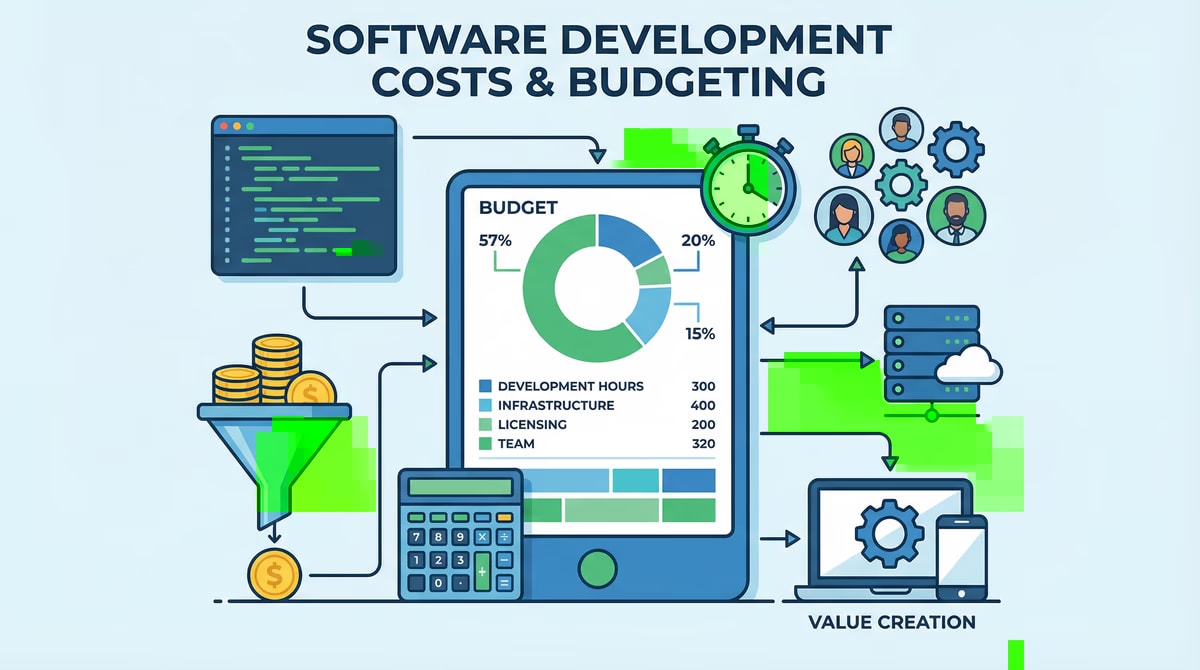
Altsystem Migration: A Guide to Costs and Budgeting
In today's fast-paced digital landscape, outdated IT systems, often referred to as old systems, are a considerable burden for companies. They're not just expensive in maintenance, sonde...
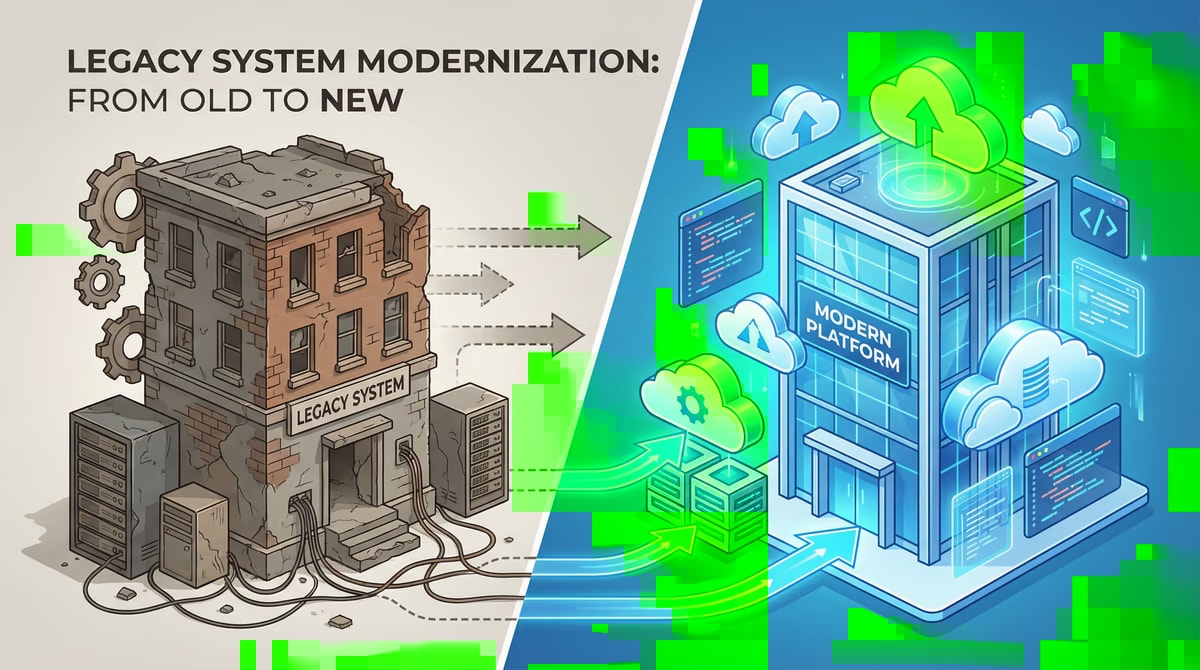
Altsystem migration: The smooth transfer of knowledge
The Altsystem migration is an unavoidable but also a great challenge for many companies. Outdated systems, often referred to as legacy systems, brake the innovative power,...
Software migration: documentation and reprocessing for a smooth transition
The decision for a Software migration is an important step for each company. Whether it's about modernizing outdated systems, increasing efficiency or new technol...
Free download
Checklist: 10 questions before software development
Key points before you start: budget, timeline, and requirements.
Get the checklist in a consultationRelevant next steps
Related services & solutions
Based on this article's topic, these pages are often the most useful next steps.
Related services
Related solutions
More on Software development and next steps
This article is in the Software development topic. In our blog overview you will find all articles; under category Software development more posts on this subject.
For topics like Software development we offer matching services – from app development and AI integration to legacy modernisation and maintenance. We describe typical use cases under solutions. Our cost calculators give initial estimates. Key terms are in the IT glossary. Books and long-form guides appear on the publications page; deeper articles live under topics.
If you have questions about this article or want a non-binding discussion about your project, you can book a consultation or reach us via contact. We usually respond within one working day.