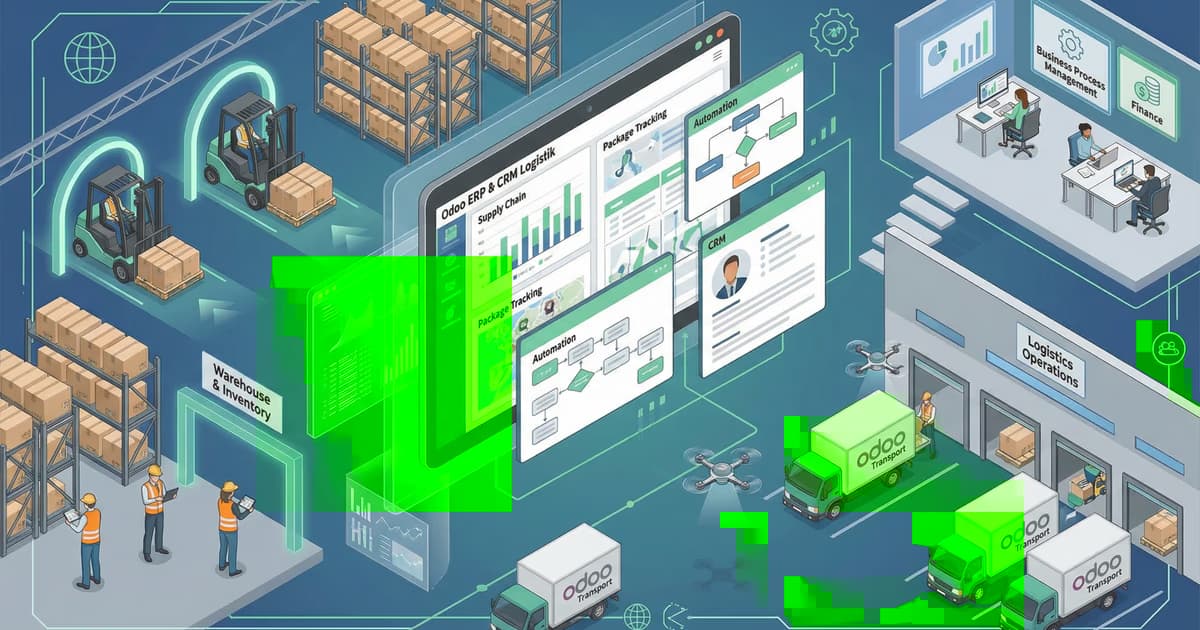
As of: 19 June 2026 · Reading time: 4 min
Key takeaways
- Digital transformation in healthcare is no longer a distant future scenario, but an urgent need.
- In view of increasing patient numbers, complex treatment paths and the demand for more efficient and patient...
Digital transformation in healthcare is no longer a distant future scenario, but an urgent need. In view of increasing patient numbers, complex treatment paths and the demand for more efficient and patient...
“A well-designed API is the invisible bridge between systems—and often the biggest lever for efficiency.”
– Björn Groenewold, Managing Director, Groenewold IT Solutions
Interfaces & APIs for healthcare: The key to digital interoperability
The Core Problem in Healthcare IT
Digital transformation in healthcare is no longer a distant future scenario, but an urgent need.
Leaders exploring Interfaces & APIs for healthcare: The key to digital interoperability can use API & Integration Projects, Cost Calculator: API Development, Solution: Integration Chaos sowie RPA vs. API Integration as structured entry points.
Healthcare institutions run on dozens of separate systems. Hospital information systems, electronic health records, laboratory platforms, imaging systems, and billing infrastructure rarely communicate natively.
The result: data must be transferred manually or through fragile point-to-point connections. Clinical staff waste time on administrative data entry. Errors occur at every handoff.
APIs solve this by creating standard data exchange between systems — regardless of which vendor built each one.
Two Approaches to Healthcare Data Exchange
Traditional: HL7 v2.x and DICOM
The Health Level Seven (HL7) specification — especially version 2.x — has been used for decades.
It defines message structures for clinical and operational data: patient registration, lab results, appointment scheduling.
DICOM governs medical image exchange. Radiographs and CT scans use this standard to move between imaging systems and viewing stations.
Both standards are widely deployed. Both are also rigid. They lack support for modern web and mobile environments.
Modern: FHIR
FHIR (Fast Healthcare Interoperability Resources), built by HL7 International, uses REST architecture and standard data formats (JSON, XML). It was designed for web and mobile from the start.
FHIR makes it possible to build consumer-facing health apps, patient portals, and cross-institution data sharing using the same tools as any modern web service.
Comparison: HL7 v2.x vs. FHIR
| Dimension | HL7 v2.x | FHIR |
|---|---|---|
| Technology foundation | Proprietary protocols, message-based | RESTful services, HTTP |
| Data structure | Segment-based, complex to parse | JSON, XML — straightforward |
| Integration capability | Point-to-point, fragmented | Standard, modular |
| Application scope | Institution-to-institution | Web, mobile, cloud platforms |
| Rollout timeline | Long, resource-intensive | Faster, developer-friendly |
Practical API Use Cases in Healthcare
Cross-Institution Patient Data Sharing
FHIR APIs allow hospitals, GP practices, and specialist clinics to share patient records securely.
With patient consent, a specialist receives relevant history before the appointment — without fax or CD.
Remote Patient Monitoring
Short: Wearable devices transmit vital signs via API to clinical monitoring systems.
Wearable devices transmit vital signs via API to clinical monitoring systems. Alerts trigger when parameters fall outside defined thresholds. Clinicians receive relevant notifications — not raw data streams.
AI-Assisted Diagnostics
Short: AI diagnostic systems receive medical images or lab values through standard APIs.
AI diagnostic systems receive medical images or lab values through standard APIs. Results return to the clinical workflow system automatically. The clinician sees AI-generated findings alongside standard reports.
Digital Appointment and Referral Management
Short: Booking APIs connect patient portals to clinical scheduling systems.
Booking APIs connect patient portals to clinical scheduling systems. Referral APIs route specialist requests with relevant patient data attached. Manual phone-based planning decreases.
What Healthcare Organizations Must Address in API Projects
Data Protection Under GDPR and KHZG
Health data falls under GDPR Article 9 — the strictest protection category. Any API that processes patient data requires:
- A legal basis for processing (typically explicit consent or medical need).
- Data processing agreements with all involved parties.
- Technical and organizational measures (TOMs) recorded and audited.
The Hospital Future Act (KHZG) in Germany funds digital infrastructure for hospitals — including interoperability projects. FHIR-based integrations are explicitly supported.
Access Control and Auditability
Short: Every API call that touches patient data must be logged.
Every API call that touches patient data must be logged. Access must be role-based. Audit logs must be tamper-proof and retained for legally required periods.
"A well-designed API is the invisible bridge between systems — and often the biggest lever for efficiency." — Björn Groenewold, Managing Director, Groenewold IT Solutions
Frequently Asked Questions (FAQ)
What is this article about: “Interfaces & APIs for healthcare: The key to digital interoperability”?
This post explores Interfaces &. APIs for healthcare. The key to digital interoperability from the perspective of needs, typical pitfalls, and sensible next steps. In short.
Digital transformation in healthcare is no longer a distant future scenario, but an urgent need.
In view of increasing patient numbers, complex treatment paths and the demand for more efficient and patient...
Who benefits most from the content described here?
Useful for project leads and product owners in Schnittstellen & APIs who must choose between standard software, custom development, and integration.
How does this topic fit into an IT or digital strategy?
Technically and organizationally, alignment with experienced partners pays off — from requirements to operations; start with the [services overview](/en/services/software-development). For multi-system landscapes, [IT consulting and architecture](/en/services/it-consulting) helps align vendors and internal teams.
What are sensible next steps if we need support?
A practical next step: book a consultation and clarify which MVP or pilot fits your team and landscape.
References and further reading
The following separate references complement the topics in this article:
About the author

Managing Director of Groenewold IT Solutions GmbH and Hyperspace GmbH
Since 2009 Björn Groenewold has been developing software solutions for the mid-market. He is Managing Director of Groenewold IT Solutions GmbH (founded 2010) and Hyperspace GmbH. As founder of Groenewold IT Solutions he has successfully supported more than 250 projects – from legacy modernisation to AI integration.
Blog recommendations
Related articles
These posts might also interest you.
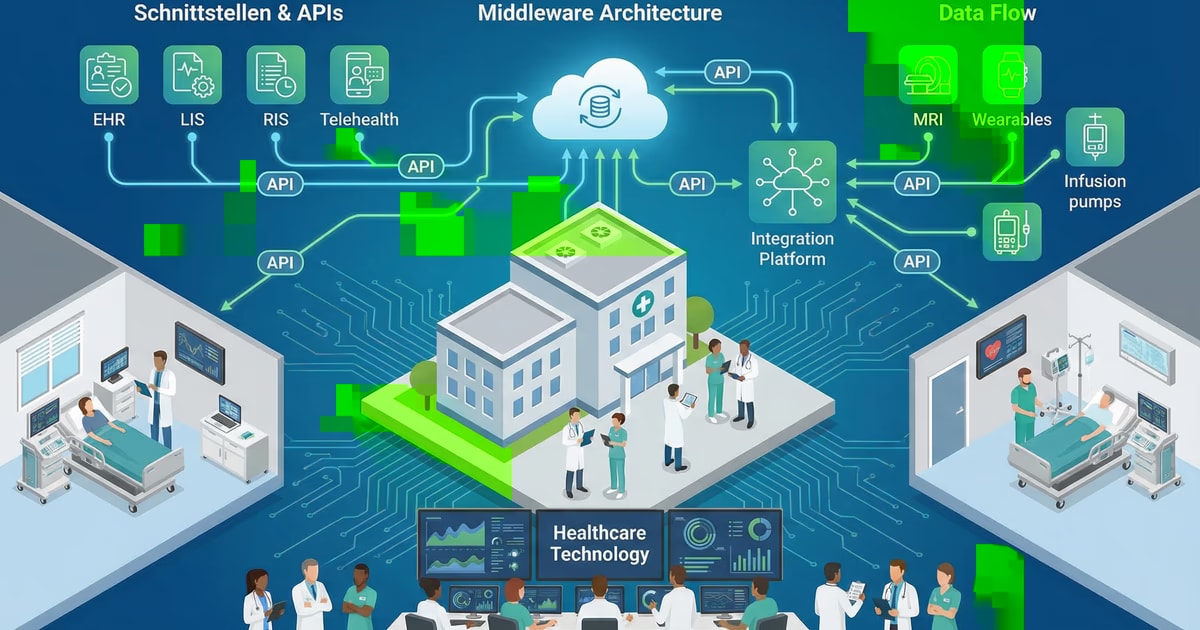
Interfaces & APIs for Education & Research: The key to digital excellence
In recent years, digital transformation has penetrated all areas of society, and the education and research sector is no exception. Universities, research institutions and educational technology…
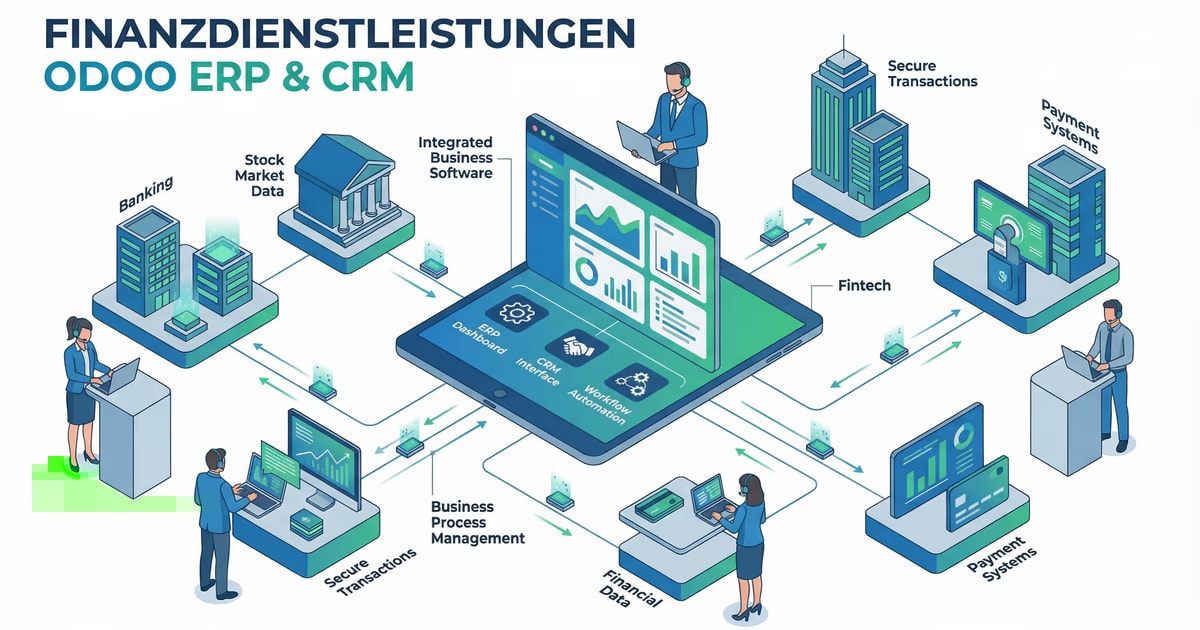
Interfaces and APIs in Production and Manufacturing: The Key to Smart Factory
The fourth industrial revolution, known as Industry 4.0, transforms the way goods are produced. Networking is at the centre of this profound change. But the vision of a Smart Factory in which Mas...
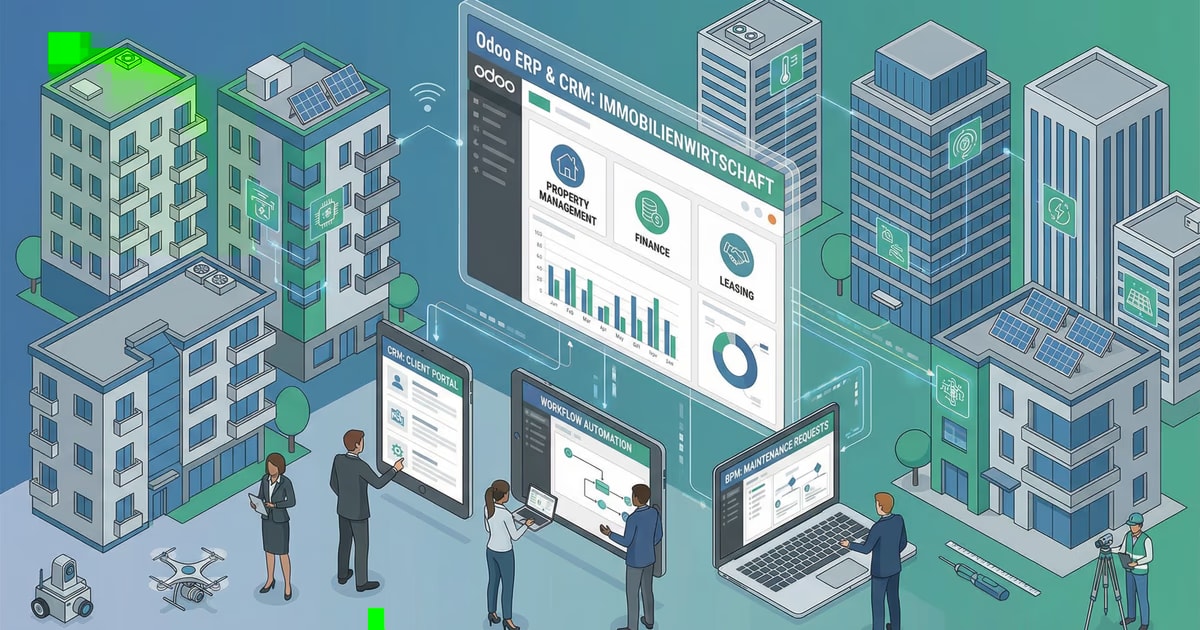
The invisible power: How interfaces and APIs revolutionize trade and e-commerce
In the dynamic world of trade and e-commerce, the ability to react quickly to market changes and to seamlessly shape customer experiences is crucial for success. Act behind the scenes of this digital…
Free download
Checklist: 10 questions before software development
Key points before you start: budget, timeline, and requirements.
Get the checklist in a consultationRelevant next steps
Related services & solutions
Based on this article's topic, these pages are often the most useful next steps.
Related solutions
Related comparison
Cost calculators
Related industries
Practical next steps after Interfaces & APIs for healthcare: The key to digital interoperability
Interfaces & APIs for healthcare: The key to digital interoperability addresses a practical choice for healthcare teams. Start with one clear goal: connect systems without losing control of data, ownership, or later changes.
Check the current process, the data involved, and the result users need. Then record the main risks and define a small first step. This keeps the decision easy to review and gives your team a shared basis.
For implementation support, our API and integration engineering connects the article's guidance with architecture, delivery, and stable operations. Engineering and project ownership stay with our team in Leer, Germany.
This post belongs to Schnittstellen & APIs. Browse the related Schnittstellen & APIs articles or use the English software blog for other topics.
When budget is the next question, the software cost calculators provide planning ranges. The IT glossary explains key terms, while in-depth technology guides cover wider decisions.
If the topic affects a live project, book a technical consultation or send the context through our project contact form. We usually reply within one working day.