
As of: 23 September 2026 · Reading time: 4 min
Key takeaways
- Digitization is no longer an abstract topic of the future, but a current need, especially for the crafts and the service sector.
- In a world where customers fast reaction times, **transparent procedures...
Digitization is no longer an abstract topic of the future, but a current need, especially for the crafts and the service sector. In a world where customers fast reaction times, **transparent procedures...
“A well-designed API is the invisible bridge between systems—and often the biggest lever for efficiency.”
– Björn Groenewold, Managing Director, Groenewold IT Solutions
Digitization is no longer an abstract topic of the future. However, a current need, especially for the crafts and the service sector.
In a world where customers expect fast reaction times, transparent processes and complete communication, technical development decides on market strength and growth.
The key to this transformation lies in the smart networking of systems – through interfaces and APIs.
This complete guide highlights how these digital bridges increase efficiency, minimise errors and provide a decisive advantage to craft and service firms.
The challenge of digitalization in crafts and service providers
Digitization is no longer an abstract topic of the future, but a current need, especially for the crafts and the service sector.
For The digital bridge: How interfaces and APIs revolutionize crafts and…, API & Integration Projects, Cost Calculator: API Development, Solution: Integration Chaos sowie RPA vs. API Integration help you align rollout, scope and budget before you commit.
Many firms still struggle with processes rooted in the analog world. This leads to friction losses that directly affect productivity and customer satisfaction.
Fragmented system landscapes as a productivity brake
Short: In many crafts and service companies there is a fragmented system landscape .
In many crafts and service companies there is a fragmented system landscape. Order management runs through a software, time recording via another app, accounting via a third system.
And warehouse management may still be organized in an Excel table. These island solutions cannot communicate with each other.
The result: Manual data transmission, which is susceptible to errors and binds valuable working time. An employee must transfer data from the CRM system into the accounting software.
This is not only laborious. However, also increases the risk of number drivers and inconsistencies. These inefficient interfaces between departments are the true productivity killers.
The growing pressure through customer requirements
Customers are accustomed to other areas of life that information is available in real time. They expect their craftsman or service provider:
Online appointment booking with immediate confirmation.
Transparente status updates on current order.
Digital invoices and easy payment options.
Without a networked IT infrastructure, it is hardly possible to meet these needs. Digitalization in craftsmanship so requires a solution that centralizes and automates all processes.
What are APIs and Interfaces – and why are they relevant to you?
To understand the solution, one must know the basic concepts that allow digital communication.
APIs simply explained: The digital translator
Short: API stands for Application Programming Interface .
API stands for Application Programming Interface. You can imagine an API as a digital translator or a waiter in a restaurant.
The customer (your order software) orders a court (requests data).
The waiter (the API) accepts the order and directs it
References and further reading
The following separate references complement the topics in this article:
- Bitkom – German digital industry association.
- German Federal Office for Information Security (BSI).
- European Commission – Digital strategy.
- MDN Web Docs (Mozilla)
- W3C – World Wide Web Consortium.
"APIs are the backbone of modern systems; stabilise contracts early or pay twice in integration work later."
— Björn Groenewold, Managing Director, Groenewold IT Solutions
Frequently Asked Questions (FAQ)
What is this article about: “The digital bridge: How interfaces and APIs revolutionize crafts and services”?
This article sums up practical aspects of The digital bridge. How interfaces and APIs revolutionize crafts and services for leaders and delivery teams. In short.
Digitization is no longer an abstract topic of the future. However, a current need, especially for the crafts and the service sector.
In a world where customers fast reaction times, transparent procedures...
Who benefits most from the content described here?
It is especially relevant for firms in Interfaces & APIs that need reliable systems, clear interfaces, and predictable delivery — from mid-market teams to expert departments.
How does this topic fit into an IT or digital strategy?
You can map the topic to service building blocks such as custom software and delivery support. Architecture reviews and stepwise rollout reduce risk and rework.
For multi-system landscapes, IT consulting and architecture helps align vendors and internal teams.
What are sensible next steps if we need support?
For architecture, rollout, or a second expert opinion, book a free initial consultation — including timeline and interface alignment.
About the author

Managing Director of Groenewold IT Solutions GmbH and Hyperspace GmbH
Since 2009 Björn Groenewold has been developing software solutions for the mid-market. He is Managing Director of Groenewold IT Solutions GmbH (founded 2010) and Hyperspace GmbH. As founder of Groenewold IT Solutions he has successfully supported more than 250 projects – from legacy modernisation to AI integration.
Blog recommendations
Related articles
These posts might also interest you.
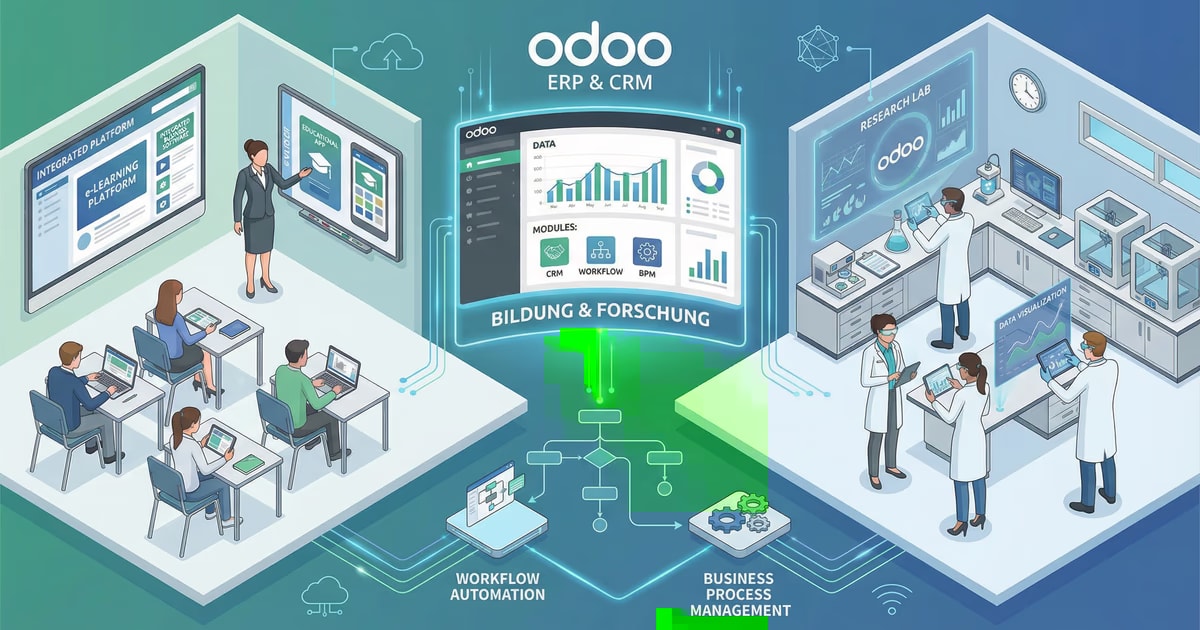
Interfaces & APIs for financial services & banks: The key to digital transformation
The financial world is undergoing profound change. Transmissions through regulatory requirements, especially the PSD2 directive, and the increasing expectations of customers in digital, seamless…
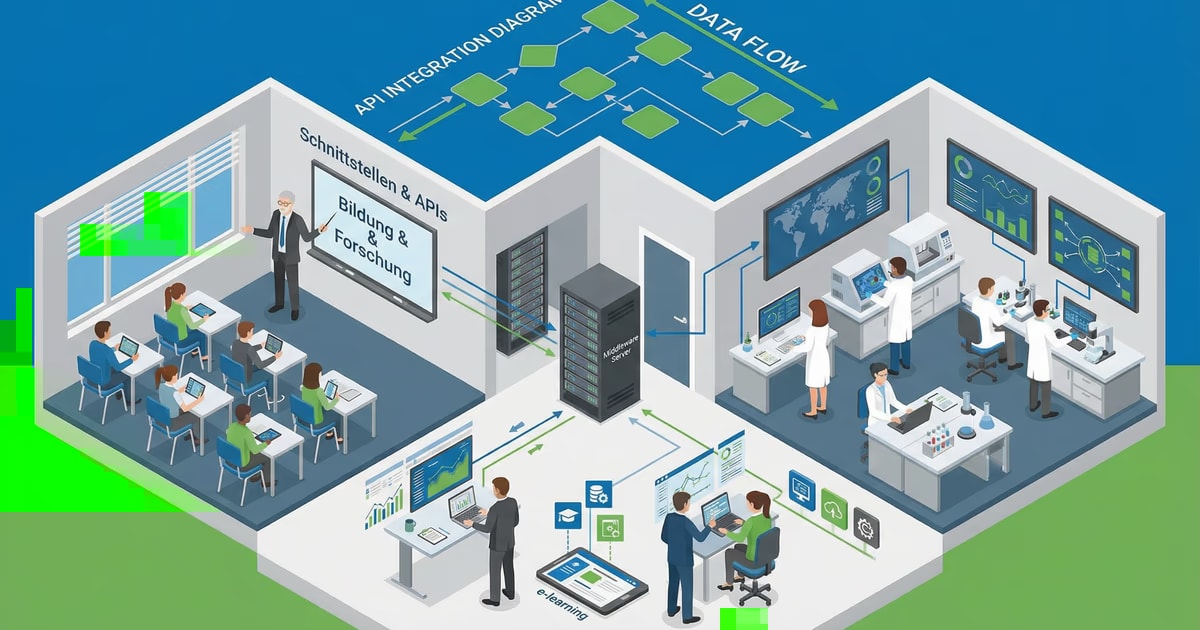
Interfaces & APIs: The Guide to Successful System Integration
Interfaces and APIs are the nervous system of modern IT landscapes. They enable data exchange between systems, automate processes and create the basis for innovative business models. This guide will…

Digitization in the middle class: The right technology selection as a success factor
Digitization is no longer an option for small and medium-sized enterprises (SMEs), but a need to compete. But Digitalization in the middle class is...
Free download
Checklist: 10 questions before software development
Key points before you start: budget, timeline, and requirements.
Get the checklist in a consultationRelevant next steps
Related services & solutions
Based on this article's topic, these pages are often the most useful next steps.
Related services
Related solutions
Related comparison
Cost calculators
Related industries
Practical next steps after The digital bridge: How interfaces and APIs revolutionize crafts and services
The digital bridge: How interfaces and APIs revolutionize crafts and services addresses a practical choice for craft and service firms. Start with one clear goal: connect systems without losing control of data, ownership, or later changes.
Check the current process, the data involved, and the result users need. Then record the main risks and define a small first step. This keeps the decision easy to review and gives your team a shared basis.
For implementation support, our API and integration engineering connects the article's guidance with architecture, delivery, and stable operations. Engineering and project ownership stay with our team in Leer, Germany.
This post belongs to Interfaces & APIs. Browse the related Interfaces & APIs articles or use the English software blog for other topics.
When budget is the next question, the software cost calculators provide planning ranges. The IT glossary explains key terms, while in-depth technology guides cover wider decisions.
If the topic affects a live project, book a technical consultation or send the context through our project contact form. We usually reply within one working day.