
As of: 19 June 2026 · Reading time: 4 min
Key takeaways
- In today's data-driven business world, information is the life elixir of each company.
- But too often these valuable data are trapped in isolated systems, so-called...
In today's data-driven business world, information is the life elixir of each company. But too often these valuable data are trapped in isolated systems, so-called...
“Good software is not an accident—it comes from a structured development process with clear quality standards.”
– Björn Groenewold, Managing Director, Groenewold IT Solutions
*January 2026 *
In today's data-driven business world, information is the life elixir of each company. But too often these valuable data are caught in isolated systems, so-called data silos.
These silos impede teamwork, complicate sound decisions and slow down company growth.
In this post, we illuminate effective strategies that allow you to resolve data silos and create an integrated data landscape.
What are data silos and why are they a problem?
In today's data-driven business world, information is the life elixir of each company.
Leaders exploring Data integration: Strategies against data silos can use API & Integration Projects, Cost Calculator: API Development, Solution: Integration Chaos sowie RPA vs. API Integration as structured entry points.
Data silos are isolated data storage devices that are inaccessible to other departments or systems within a company.
They often arise organically when different teams use different software solutions for their specific tasks without pursuing a company-wide data strategy.
The effects are diverse and range from lack of efficiency to strategic wrong decisions.
The disadvantages of data silos at a glance:
- Fehlende 360-degree view on the customer: Sales, marketing and customer service only have a part of customer information, which leads to an inconsistent customer experience.
- Inefficient processes: Employees spend valuable time bringing together data from different sources manually instead of focusing on their core tasks.
- Slower data quality: Redundant and outdated data in different systems lead to inconsistencies and errors in analyses and reports.
- Reasons for decision making: Without a uniform data base, decisions are often based on incomplete or outdated information.
Strategies for the resolution of data silos
Overcoming data silos requires a strategic approach that takes into account both technical and organizational aspects. It is not only about connecting systems to one another.
However, also about establishing a culture of data exchange.
1. Data integration as a company-wide priority
The first and most important step is the recognition of data integration as a strategic goal through corporate governance.
Without the support of management, initiatives to reduce data silos are often condemned to failure.
A clear vision and a roadmap for data integration are crucial to bring all stakeholders on board.
2. Selection of the right integration technology
Short: There are different technical approaches to integrate data from different sources.
There are different technical approaches to integrate data from different sources. Choosing the right method depends on the specific needs of your company.
| Integration method | Description | Application case |
|---|---|---|
| ETL (Extract, Transform, Load) | Data is extracted from source systems, transformed into a uniform format and into a central Data Warehous |
References and further reading
The following separate references complement the topics in this article:
- Bitkom – German digital industry association.
- German Federal Office for Information Security (BSI).
- European Commission – Digital strategy.
- MDN Web Docs (Mozilla)
- W3C – World Wide Web Consortium.
"Cloud-native only pays off when operations, security, and cost model match the architecture—otherwise you ship complexity faster."
— Björn Groenewold, Managing Director, Groenewold IT Solutions
Frequently Asked Questions (FAQ)
What is this article about: “Data integration: Strategies against data silos”?
This article sums up practical aspects of Data integration. Strategies against data silos for leaders and delivery teams.
In short: In today's data-driven business world, information is the life elixir of each company. But too often these valuable data are trapped in isolated systems, so-called...
Who benefits most from the content described here?
It is especially relevant for firms in Software development that need reliable systems, clear interfaces, and predictable delivery — from mid-market teams to expert departments.
How does this topic fit into an IT or digital strategy?
You can map the topic to service building blocks such as custom software and delivery support. Architecture reviews and stepwise rollout reduce risk and rework.
For multi-system landscapes, IT consulting and architecture helps align vendors and internal teams.
What are sensible next steps if we need support?
For architecture, rollout, or a second expert opinion, book a free initial consultation — including timeline and interface alignment.
About the author

Managing Director of Groenewold IT Solutions GmbH and Hyperspace GmbH
Since 2009 Björn Groenewold has been developing software solutions for the mid-market. He is Managing Director of Groenewold IT Solutions GmbH (founded 2010) and Hyperspace GmbH. As founder of Groenewold IT Solutions he has successfully supported more than 250 projects – from legacy modernisation to AI integration.
Blog recommendations
Related articles
These posts might also interest you.

Digitalise knowledge transfer: tools and platforms for modern workplaces
In today's fast-paced business world, the effective knowledge transfer between employees is a key factor in the company's success. Companies that make it, the Wiss...
Knowledge transfer in agile teams: How to secure valuable know-how
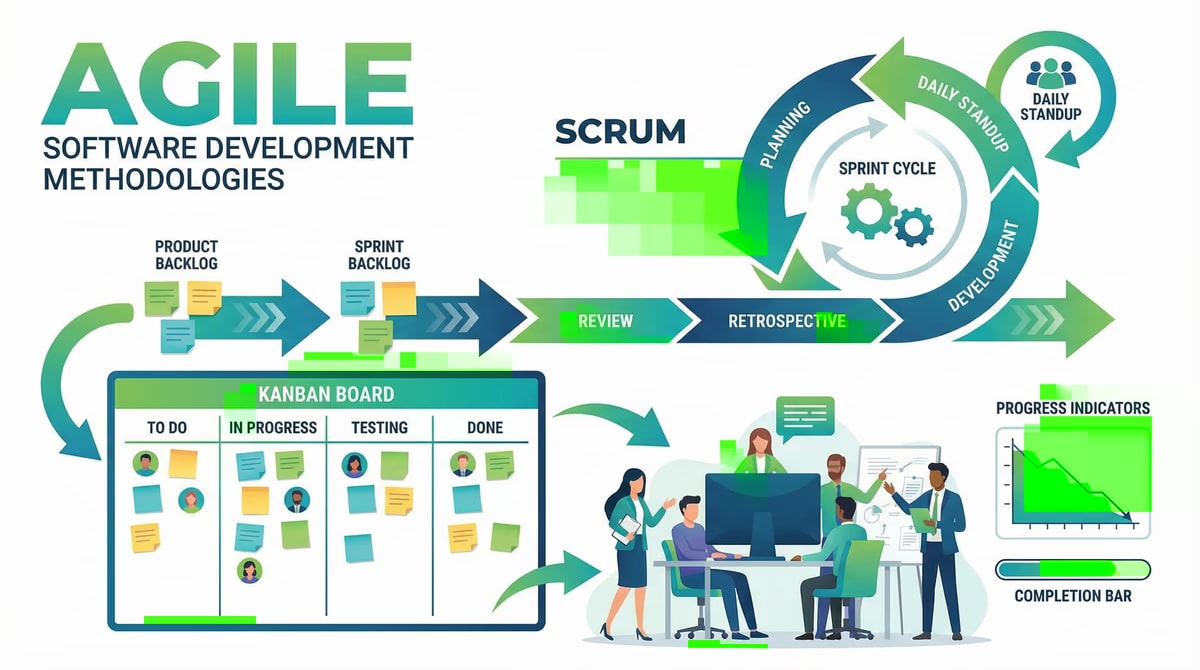
In today's fast-paced and project-oriented working environment, the ability to efficiently share and maintain knowledge is a decisive competitive advantage. Especially in agile teams,...
Technical Debt vs. Feature Development: Find the Right Balance
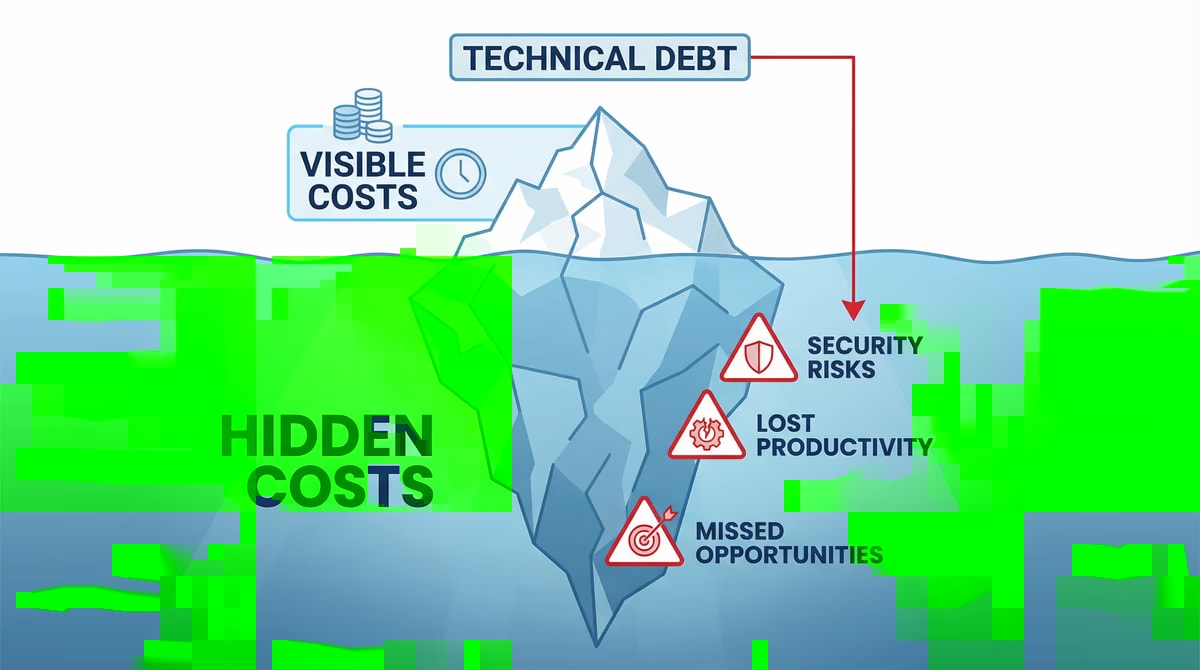
In the fast-paced world of software development, companies are constantly faced with a crucial question: Should we aim to develop our resources into the new, sales-enhancing feature...
Free download
Checklist: 10 questions before software development
Key points before you start: budget, timeline, and requirements.
Get the checklist in a consultationRelevant next steps
Related services & solutions
Based on this article's topic, these pages are often the most useful next steps.
Related solutions
Related comparison
Cost calculators
Practical next steps after Data integration: Strategies against data silos
Data integration: Strategies against data silos addresses a practical choice for product and IT teams. Start with one clear goal: connect systems without losing control of data, ownership, or later changes.
Check the current process, the data involved, and the result users need. Then record the main risks and define a small first step. This keeps the decision easy to review and gives your team a shared basis.
For implementation support, our API and integration engineering connects the article's guidance with architecture, delivery, and stable operations. Engineering and project ownership stay with our team in Leer, Germany.
This post belongs to Software development. Browse the related Software development articles or use the English software blog for other topics.
When budget is the next question, the software cost calculators provide planning ranges. The IT glossary explains key terms, while in-depth technology guides cover wider decisions.
If the topic affects a live project, book a technical consultation or send the context through our project contact form. We usually reply within one working day.