As of: 19 June 2026 · Reading time: 4 min
Key takeaways
- In today's fast-paced and project-oriented working environment, the ability to efficiently share and maintain knowledge is a decisive competitive advantage.
- Especially in agile teams,...
In today's fast-paced and project-oriented working environment, the ability to efficiently share and maintain knowledge is a decisive competitive advantage. Especially in agile teams,...
“Good software is not an accident—it comes from a structured development process with clear quality standards.”
– Björn Groenewold, Managing Director, Groenewold IT Solutions
In today's fast-paced and project-oriented working environment, the ability to efficiently share and maintain knowledge is a decisive competitive advantage.
Especially in agile teams living with room to adapt, quick adjustments and close teamwork, a functioning ** knowledge transfer is essential for employees**.
But how can it be ensured that valuable know-how is not lost when team members change the project or leave the company?
This article highlights how you successfully shape and sustainably anchor the knowledge transfer in your agile teams.
Why is structured knowledge transfer so important?
In today's fast-paced and project-oriented working environment, the ability to efficiently share and maintain knowledge is a decisive competitive advantage.
Leaders exploring Knowledge transfer in agile teams: How to secure valuable know-how can use AI & Machine Learning, Cost Calculator: AI Knowledge Base sowie Discover solutions as structured entry points.
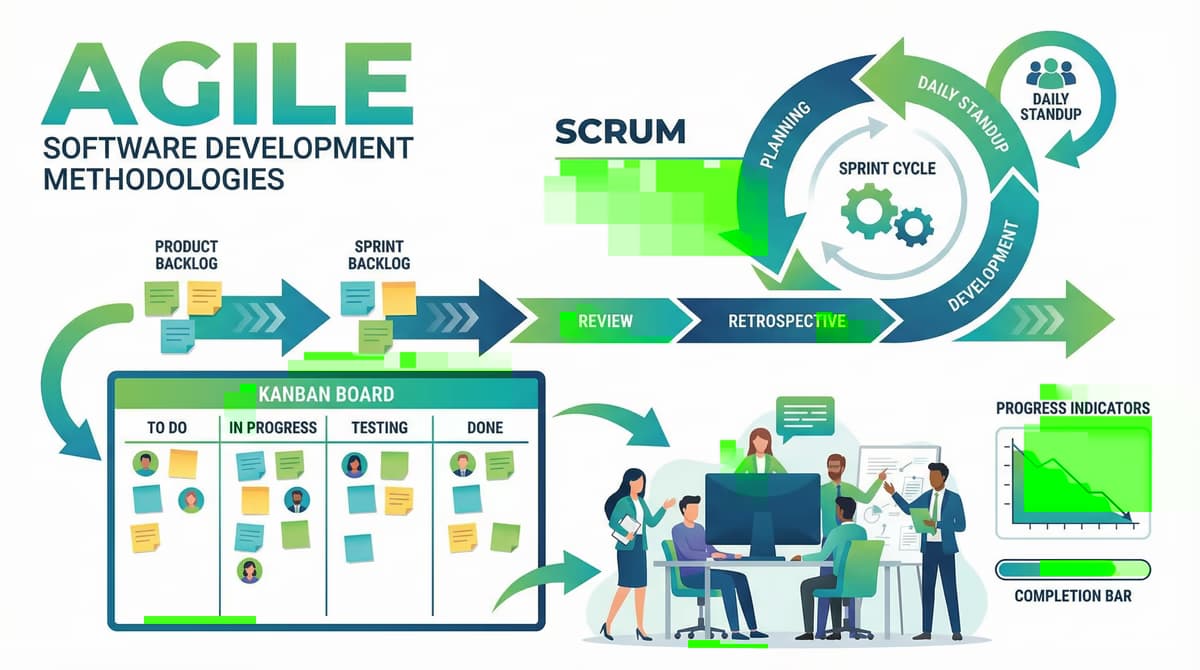
Agile methods such as Scrum or Kanban promote exchange in the team. However, often this happens informally.
Without a structured approach, there is a risk that implicit knowledge – i.e. personal experiences and unwritten rules – remains bound to custom persons.
If this "knowledge expert" leaves the team, a painful gap is created.
A systematic ** knowledge transfer for employees** helps to minimize project risks, accelerate the incorporation of new colleagues and strengthen the new power of the entire team.
It is about creating a culture in which sharing knowledge is considered a natural part of daily work.
Columns of a successful knowledge transfer
In order to sustainably anchor knowledge transfer in corporate culture, a two-pillar model has proven itself based on a combination of top-down targets and bottom-up initiatives.
Top-down: The normative liability
Short: The normative liability creates the organisational framework.
The normative liability creates the organisational framework. Management sets clear rules, processes and structures for knowledge transfer.
This ensures orientation and ensures that the topic is given the needed attention.
- Define ownership: A concrete measure is to clearly assign ownership for knowledge transfer. For example, the Scrum Master can get the task of actively promoting the development of T-shaped Skills in the team and to adhere to this in its target agreement.
- Establish processes:** Regular meetings, such as retrospectives, can be extended by the fixed agenda item "knowledge transfer". This reflects what went well and where there is potential for improvement.
Bottom-up: Social Liability
The social liability aims to operationalise knowledge transfer directly in the teams and to promote the active participation of employees.
The key is to strengthen interpersonal relations and teamwork.
- Determinate: In team workshops you can work together to develop the skills needed and how the Wiss.
References and further reading
The following separate references complement the topics in this article:
- Bitkom – German digital industry association.
- German Federal Office for Information Security (BSI).
- European Commission – Digital strategy.
- MDN Web Docs (Mozilla)
- W3C – World Wide Web Consortium.
"DevOps is less about tools and more about shared ownership of quality and release discipline."
— Björn Groenewold, Managing Director, Groenewold IT Solutions
Frequently Asked Questions (FAQ)
What is this article about: “Knowledge transfer in agile teams: How to secure valuable know-how”?
This article sums up practical aspects of Knowledge transfer in agile teams. How to secure valuable know-how for leaders and delivery teams. In short.
In today's fast-paced and project-oriented working environment, the ability to efficiently share and maintain knowledge is a decisive competitive advantage. Especially in agile teams,...
Who benefits most from the content described here?
It is especially relevant for firms in Software development that need reliable systems, clear interfaces, and predictable delivery — from mid-market teams to expert departments.
How does this topic fit into an IT or digital strategy?
You can map the topic to service building blocks such as custom software and delivery support. Architecture reviews and stepwise rollout reduce risk and rework.
For multi-system landscapes, IT consulting and architecture helps align vendors and internal teams.
What are sensible next steps if we need support?
For architecture, rollout, or a second expert opinion, book a free initial consultation — including timeline and interface alignment.
About the author

Managing Director of Groenewold IT Solutions GmbH and Hyperspace GmbH
Since 2009 Björn Groenewold has been developing software solutions for the mid-market. He is Managing Director of Groenewold IT Solutions GmbH (founded 2010) and Hyperspace GmbH. As founder of Groenewold IT Solutions he has successfully supported more than 250 projects – from legacy modernisation to AI integration.
Blog recommendations
Related articles
These posts might also interest you.
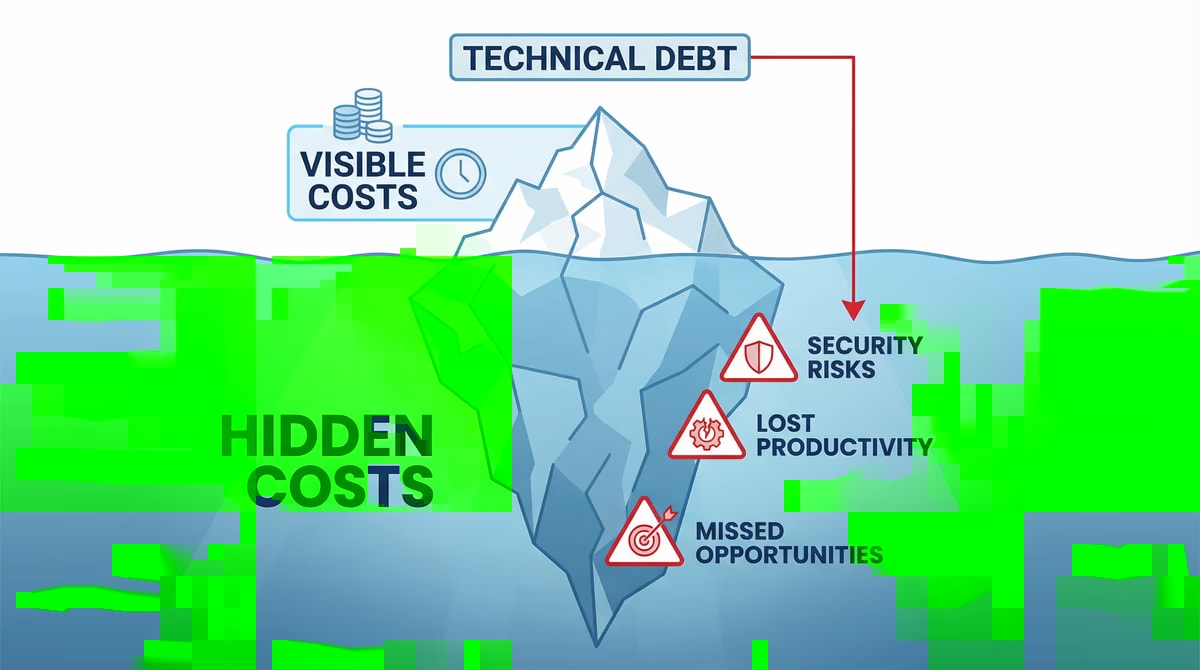
Technical Debt vs. Feature Development: Find the Right Balance
In the fast-paced world of software development, companies are constantly faced with a crucial question: Should we aim to develop our resources into the new, sales-enhancing feature...
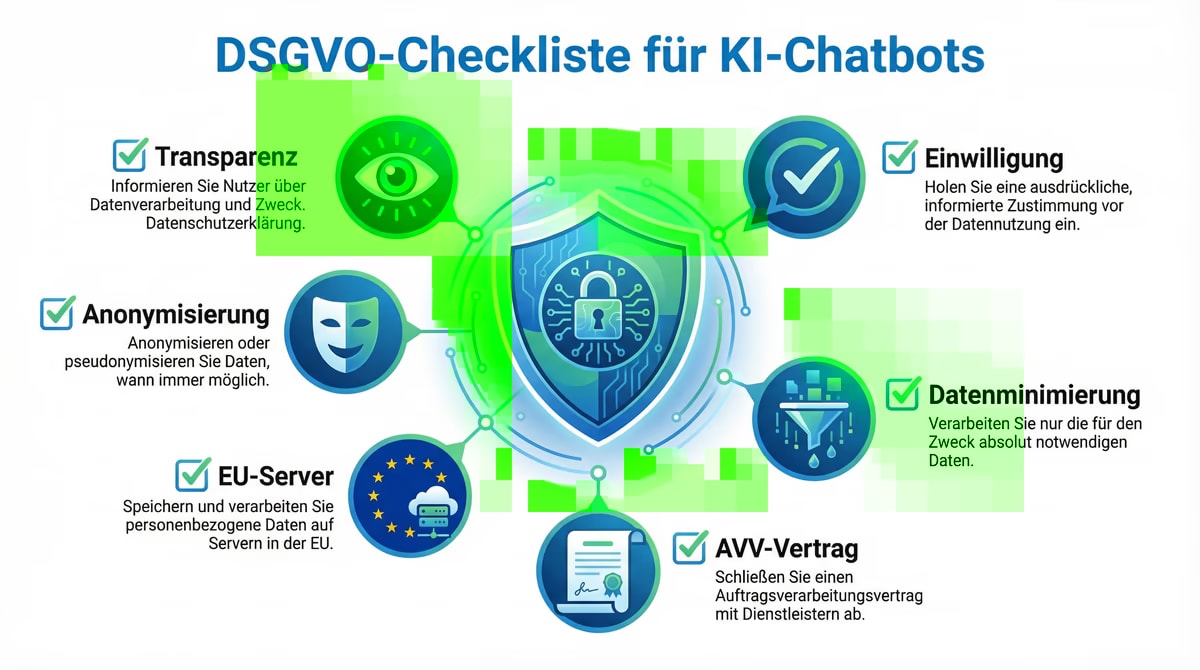
Data silos and data protection: A growing challenge for modern companies
In today's data-driven business world, information is the life elixir of each company. But too often these valuable data are trapped in isolated systems, so-called...

Why data silos pose a serious problem
> # Resolve data silos: Change management don't forget > > In today's data-driven business world, information is the life elixir of each company. But too often are the...
Free download
Checklist: 10 questions before software development
Key points before you start: budget, timeline, and requirements.
Get the checklist in a consultationRelevant next steps
Related services & solutions
Based on this article's topic, these pages are often the most useful next steps.
Related services
Related solutions
Cost calculators
Practical next steps after Knowledge transfer in agile teams: How to secure valuable know-how
Knowledge transfer in agile teams: How to secure valuable know-how addresses a practical choice for product and IT teams. Start with one clear goal: choose an app approach that stays secure, testable, and useful after launch.
Check the current process, the data involved, and the result users need. Then record the main risks and define a small first step. This keeps the decision easy to review and gives your team a shared basis.
For implementation support, our business app development connects the article's guidance with architecture, delivery, and stable operations. Engineering and project ownership stay with our team in Leer, Germany.
This post belongs to Software development. Browse the related Software development articles or use the English software blog for other topics.
When budget is the next question, the software cost calculators provide planning ranges. The IT glossary explains key terms, while in-depth technology guides cover wider decisions.
If the topic affects a live project, book a technical consultation or send the context through our project contact form. We usually reply within one working day.