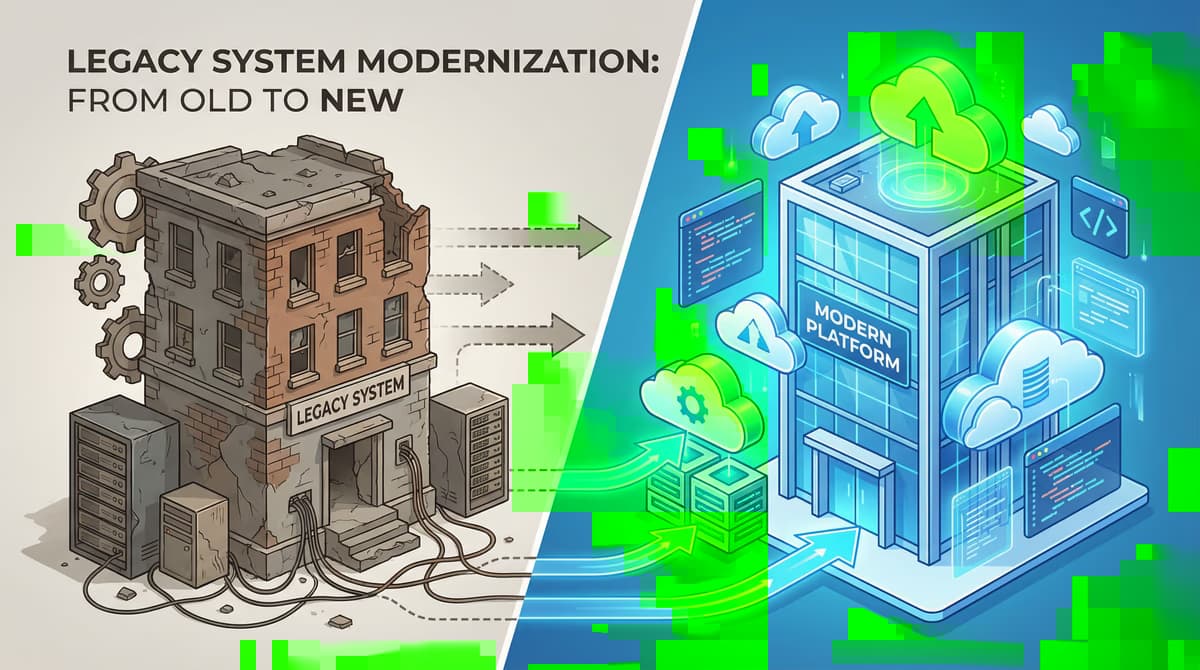
As of: 19 June 2026 · Reading time: 4 min
Key takeaways
- In today's fast-paced digital landscape, modernization of IT systems is essential for companies to remain competitive.
- A **Software migration** is often a...
In today's fast-paced digital landscape, modernization of IT systems is essential for companies to remain competitive. A **Software migration** is often a...
“Good software is not an accident—it comes from a structured development process with clear quality standards.”
– Björn Groenewold, Managing Director, Groenewold IT Solutions
Software migration: planning, execution and frequent errors
Short: In today's fast-paced digital landscape, modernization of IT systems is essential for companies to remain competitive.
In today's fast-paced digital landscape, modernization of IT systems is essential for companies to remain competitive. Software migration is often a central step, but can be associated with considerable challenges.
In this post we illuminate the crucial phases of successful migration, show frequent errors and give practical tips on how to avoid them.
Why is a software migration necessary?
Short: Executive answer: In today's fast-paced digital landscape, modernization of IT systems is essential for companies to remain competitive.
Executive answer: In today's fast-paced digital landscape, modernization of IT systems is essential for companies to remain competitive.
For Software Migration: Planning, implementation and frequent errors, Legacy Modernisation, Cost Calculator: Legacy Modernisation, Solution: Legacy Reduction sowie Monolith vs. Microservices help you align implementation, scope and budget before you commit.
Companies are forced to modernize their software systems for different reasons. Outdated technologies can affect efficiency, risk security and make it difficult to implement new business functions.
Migration to a modern platform can improve performance, increase scalability and reduce overall cost of ownership.
It also allows the use of new technologies such as cloud computing and artificial intelligence that open up new business opportunities.
The phases of a successful software migration
Short: A careful planning and structured procedure are the key to a successful Software migration .
A careful planning and structured procedure are the key to a successful Software migration. The process can be divided into three main phases:
Phase 1: Planning and Analysis
Short: The planning phase lays the foundation for the entire project.
The planning phase lays the foundation for the entire project. Here the objectives are defined, the scope is defined and a detailed strategy is developed.
A thorough analysis of the existing system is essential to identify dependencies and identify potential risks at an early stage. The choice of the right migration strategy is also crucial.
| Migration strategy | Description | Benefits | Disadvantages | |------------- Big Bang The entire system is changed on a single deadline. | Shorter migration time, lower complexity in administration. | High risk of errors, requires a longer downtime. | | ** Phasewise migration** | The system is migrated in logical blocks or modules. | Low risk, gradual introduction and testing possible. | Longer overall duration, higher complexity in coordination. | ** Parallele Migration | The old and new system run parallel for a transition period. | Highest safety, as a relapse to the old system is possible. | High operating costs, requires a synchronization of the data. |
Phase 2: Implementation and Implementation
Short: In this phase, the actual technical reaction takes place.
In this phase, the actual technical reaction takes place. This includes the migration of data, the adaptation of interfaces and the new development or adaptation of code.
A dedicated and experienced team is here of invaluable value to tackle the complex technical challenges. Continuous communication between all stakeholders is crucial to ensure that the project is
References and further reading
Short: The following independent references complement the topics in this article:
The following independent references complement the topics in this article:
- Bitkom – German digital industry association
- German Federal Office for Information Security (BSI)
- European Commission – Digital strategy
- MDN Web Docs (Mozilla)
- W3C – World Wide Web Consortium
"DevOps is less about tools and more about shared ownership of quality and release discipline."
— Björn Groenewold, Managing Director, Groenewold IT Solutions
Frequently Asked Questions (FAQ)
What is this article about: “Software Migration: Planning, implementation and frequent errors”?
Here we cover Software Migration: Planning, implementation and frequent errors — focused on architecture, process, and business outcomes.
In short: In today's fast-paced digital landscape, modernization of IT systems is essential for companies to remain competitive. A Software migration is often a...
Who benefits most from the content described here?
Typical readers are business and IT leaders in Software development who want to secure quality, security, and maintainability over the long term.
How does this topic fit into an IT or digital strategy?
In a digital strategy, prioritize stable core processes first, then extensions. See also professional software development and consulting. For multi-system landscapes, IT consulting and architecture helps align vendors and internal teams.
What are sensible next steps if we need support?
If you need support with design, delivery, or modernization: schedule an appointment or outline your project via contact.
About the author

Managing Director of Groenewold IT Solutions GmbH and Hyperspace GmbH
Since 2009 Björn Groenewold has been developing software solutions for the mid-market. He is Managing Director of Groenewold IT Solutions GmbH (founded 2012) and Hyperspace GmbH. As founder of Groenewold IT Solutions he has successfully supported more than 250 projects – from legacy modernisation to AI integration.
Blog recommendations
Related articles
These posts might also interest you.

Why data silos pose a serious problem
> # Resolve data silos: Change management don't forget > > In today's data-driven business world, information is the life elixir of each company. But too often are the...
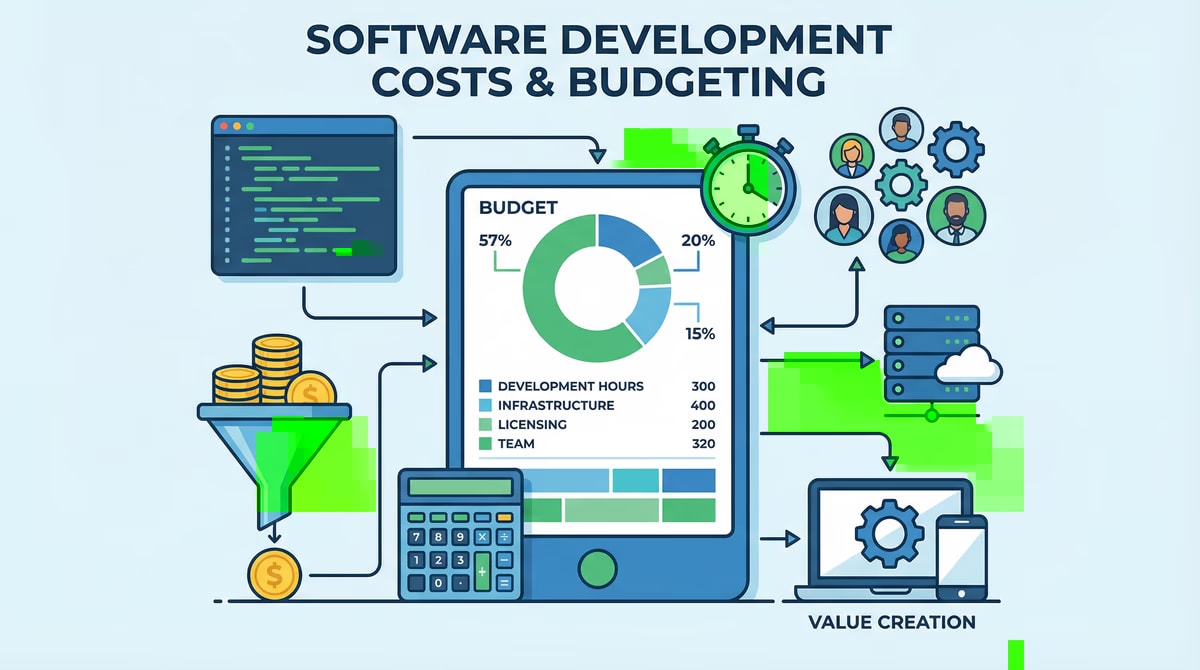
Altsystem Migration: A Guide to Costs and Budgeting
In today's fast-paced digital landscape, outdated IT systems, often referred to as old systems, are a considerable burden for companies. They're not just expensive in maintenance, sonde...
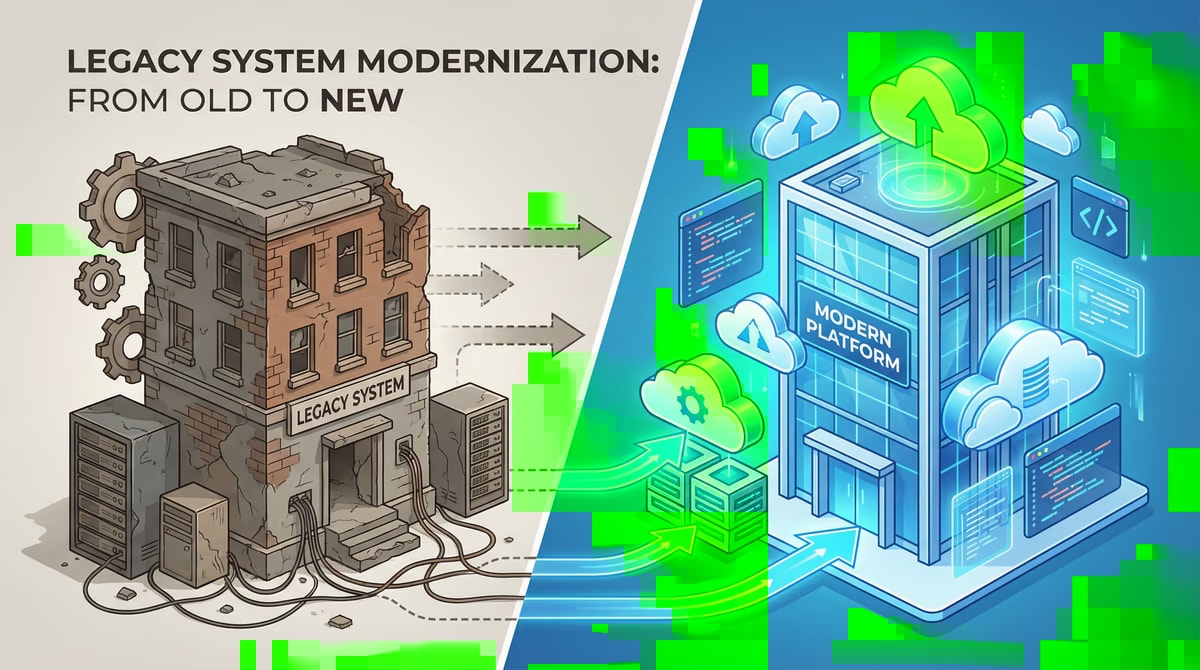
Altsystem migration: The smooth transfer of knowledge
The Altsystem migration is an unavoidable but also a great challenge for many companies. Outdated systems, often referred to as legacy systems, brake the innovative power,...
Free download
Checklist: 10 questions before software development
Key points before you start: budget, timeline, and requirements.
Get the checklist in a consultationRelevant next steps
Related services & solutions
Based on this article's topic, these pages are often the most useful next steps.
Related services
Related solutions
Related comparison
Cost calculators
More on Software development and next steps
This article is in the Software development topic. In our blog overview you will find all articles; under category Software development more posts on this subject.
For topics like Software development we offer matching services – from app development and AI integration to legacy modernisation and maintenance. We describe typical use cases under solutions. Our cost calculators give initial estimates. Key terms are in the IT glossary. Books and long-form guides appear on the publications page; deeper articles live under topics.
If you have questions about this article or want a non-binding discussion about your project, you can book a consultation or reach us via contact. We usually respond within one working day.