Groenewold IT Solutions LogoGroenewold IT Solutions – Home
Java development – Spring Boot, enterprise APIs and microservices architecture for business-critical backends
Spring Boot · Enterprise · APIs · Made in Germany

Java development: Spring Boot, enterprise APIs and integration

For mid-sized companies: maintainable backends, messaging and ERP/LOB connections—without over-engineering – delivery and project ownership from Germany (Leer/East Frisia), named contacts, no offshore guesswork.

  • 250+ delivered projects
  • 5.0 stars on Google
  • 100% engineering in Germany

Java – stable for complex business logic

Java remains standard in many corporate and mid-market IT landscapes. With Spring Boot we deliver APIs and services that run on Kubernetes, on-prem or hybrid.

We extend estates, tune performance and modernise older Java EE/JSP systems – always focusing on testability and transferable code.

Technology overview: Java Development – stack details and use cases on our technology page. For enterprise programmes see also enterprise software development and API integration.

Java logo – enterprise programming language for backend and platform development

Enterprise stack: Java · Spring Boot · Kubernetes · PostgreSQL

Our Java services

APIs, microservices and integration – pragmatic, not over-engineered.

Spring Boot APIs

REST, OpenAPI, security (OAuth2/OIDC), JPA/Hibernate with thoughtful transaction boundaries.

Integration & messaging

Kafka, RabbitMQ or REST bridges between ERP, CRM and specialist applications.

Legacy modernisation

Strangler pattern, extracting services from monoliths, gradually replacing outdated UI layers.

Quality & operations

JUnit, Testcontainers, CI/CD and observability for predictable releases.
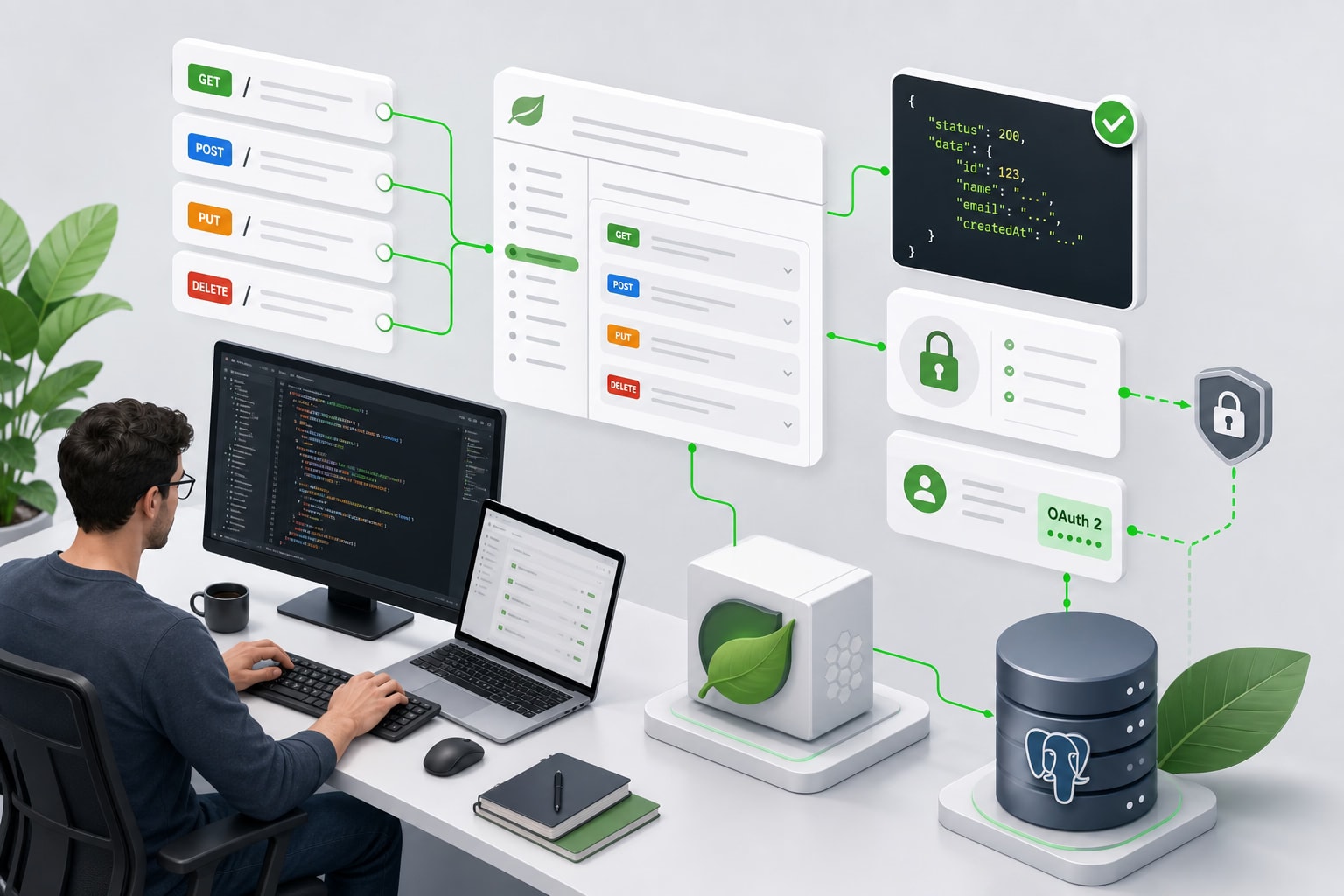
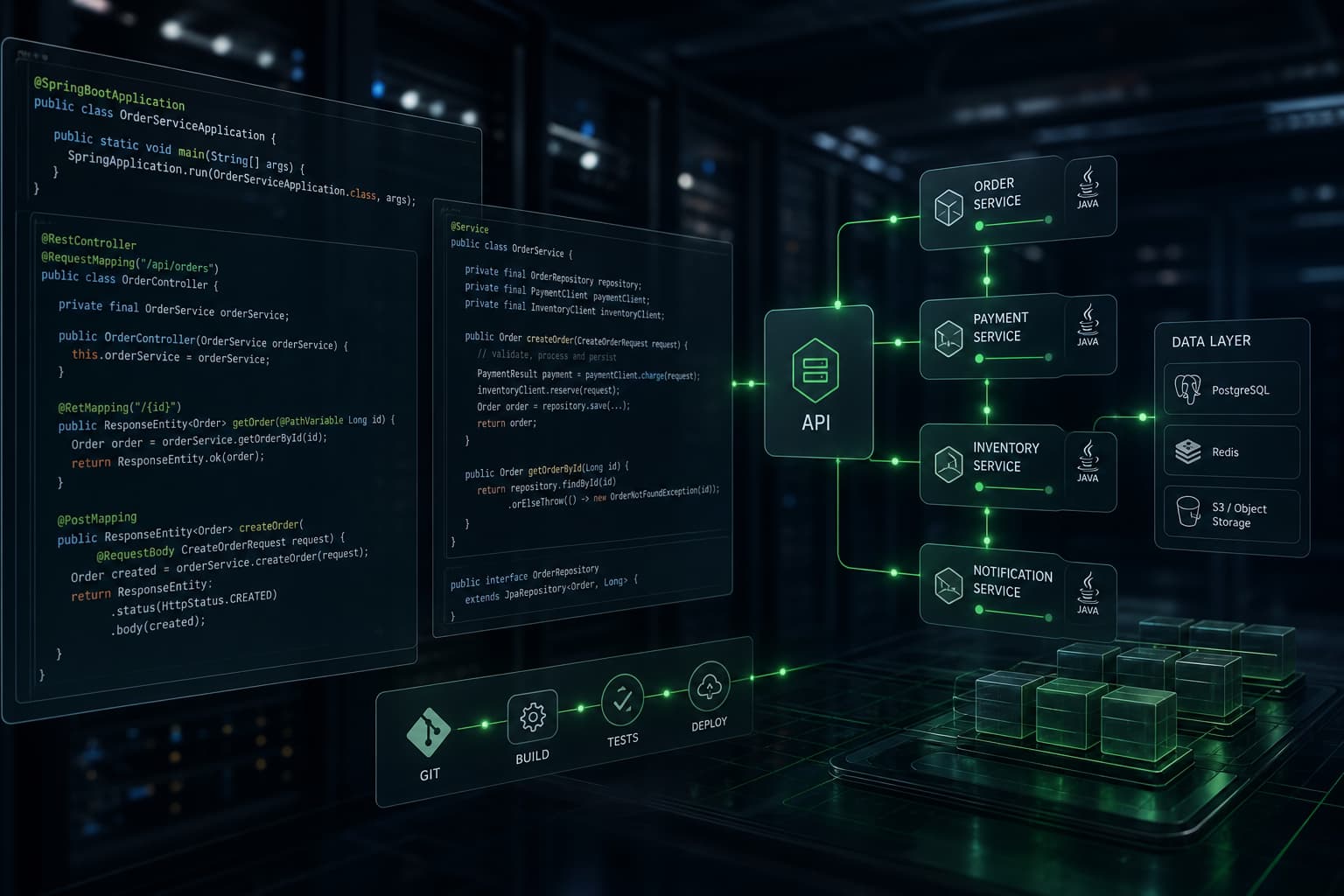
Spring Boot API development – REST, OpenAPI, OAuth2 and database integration
Spring Boot as the default for new Java services: documented REST APIs, security and clean layers – testable and transferable.
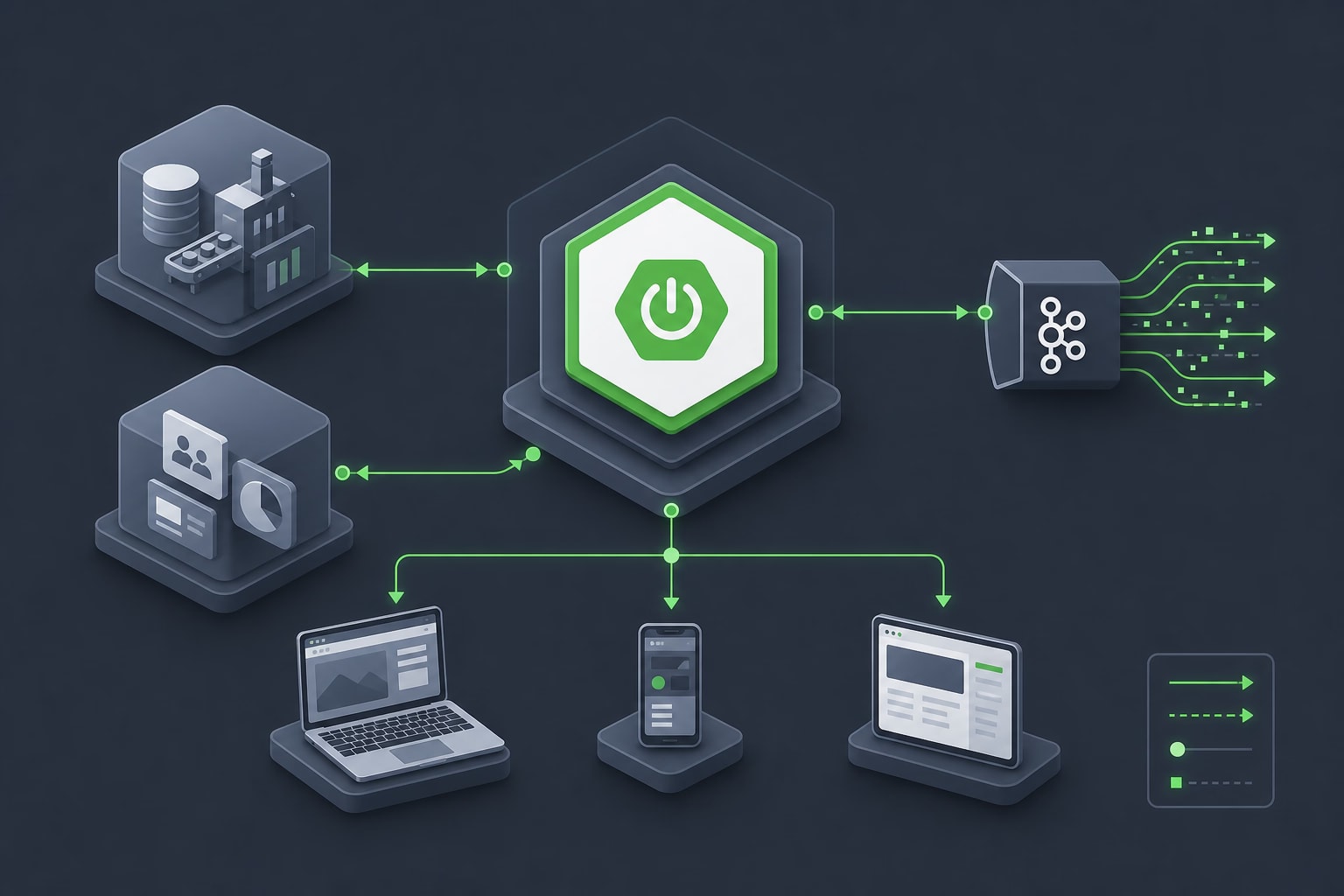
Java enterprise integration – connecting ERP, CRM, messaging and line-of-business systems
Java services as an integration hub: ERP, CRM and event streams via stable contracts – without fragile point-to-point scripts.

Enterprise-fit

Policy-compliant APIs and documented interfaces.

Performance

Profiling, caching and DB optimisation before horizontal scaling.

Team enablement

Code reviews and architecture guidelines for your Java teams.

Made in Germany

Delivery and alignment from Leer, remote across DACH.

Java architecture and modernisation

„Java projects rarely fail because of the language – but because of unclear interfaces, missing tests and monoliths without an extraction plan. Spring Boot plus the strangler pattern brings structure back.“

Björn Groenewold
Björn GroenewoldDipl. Inf.Managing Director & Head of Technology
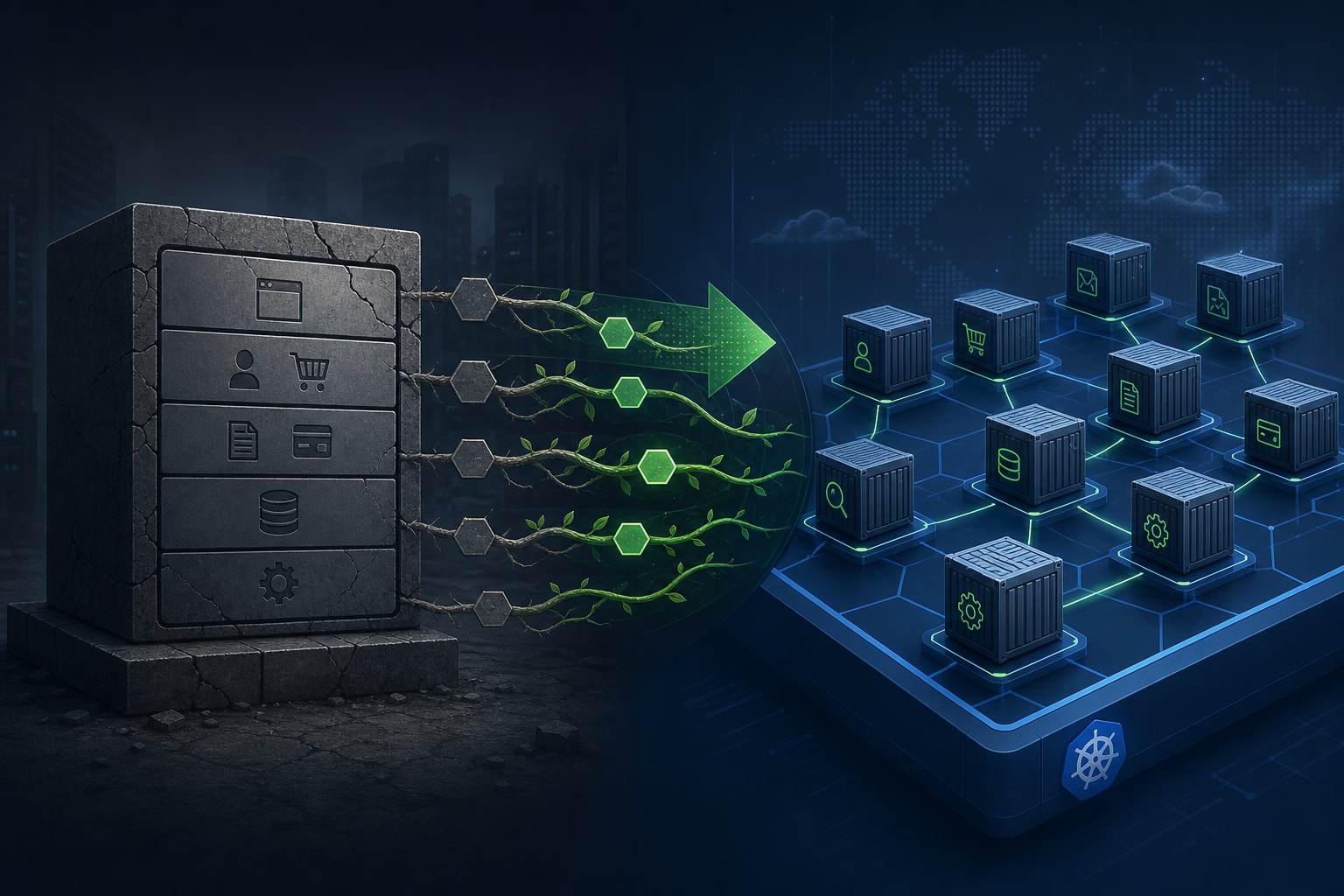
Java legacy modernisation – from monolith to modular services and microservices
Gradual modernisation with the strangler pattern: extract critical modules, keep the monolith stable, make releases predictable.

Java in practice

Success means clear bounded contexts, few shared libraries and automated contract tests against partner APIs.

  • 12-factor config for container operations
  • DB migrations with Flyway/Liquibase
  • Security scans (OWASP Dependency-Check)
  • Runbooks for incident response

We estimate effort and risk after technical discovery – transparent and without sales pressure.

Frequently asked questions

FAQ on Java development

Stack, architecture and costs

Spring Boot or Jakarta EE – which Java stack do we use when?
For greenfield we almost always use Spring Boot: fast iteration, large community, clear modules and good cloud/container fit. Jakarta EE only when your organisation mandates it or an existing EE estate must continue. We adapt to your policies but prefer lean services over heavy application servers where operations allow. See our Java technology page for stack details.
What does Java development cost – and how transparent is the quote?
Smaller Spring Boot services or API extensions often start from around €20,000. Larger integration or modernisation programmes with messaging, ERP connections and multiple teams cost significantly more. Before a fixed price we clarify scope in a technical discovery workshop. Use our software development cost calculator or book a strategy call for a realistic outline.
Microservices or modular monolith – what fits our Java project?
We often start with a modular monolith: clear bounded contexts, separate Maven/Gradle modules, one deployment – less operational overhead than many microservices without a platform team. Microservices pay off when several teams ship in parallel, per-domain scaling is needed and operations (Kubernetes, observability, CI/CD) can support it. For legacy estates we use the strangler pattern for gradual extraction.
How long does a typical Java backend project take until production release?

A focused REST API with auth, core domain and ERP integration is often production-ready in 10–16 weeks – including tests, CI/CD and runbooks. Medium platforms with several modules, messaging and roles typically need 4–8 months. The bottleneck is rarely Java itself but alignment with business, security and data migration. We work in two-week sprints with demos.

Legacy, integration, operations and compliance

Can you work with existing Java monoliths (Java EE, JSP, older Spring versions)?
Yes. We analyse hotspots, build missing test suites and define a roadmap for gradual modernisation – no big-bang rewrite. Typical steps: dependency updates, extracting critical modules, replacing outdated UI layers, OpenAPI and contract tests. See also legacy modernisation and enterprise software development.
How do you connect Java backends to SAP, Odoo, Salesforce or other ERP/CRM systems?
Via REST, SOAP, IDoc, message bus (Kafka, RabbitMQ) or file-based bridges – depending on system and operations model. We model idempotency, retry, dead-letter queues and clear error codes. Business logic stays in the backend. See also API integration, Odoo implementation and system integration.
Do you handle maintenance, security patches and operations after go-live?
Yes – with SLA for bugfixes, Spring/JDK updates, dependency scans and feature sprints on request. Unpatched Java dependencies are a common attack vector; OWASP dependency-check runs in CI by default. We also support runbooks, monitoring and incident response. See software maintenance and our maintenance cost calculator.
GDPR, hosting and Made in Germany – what matters for Java enterprise projects?

Development and alignment run from Leer (East Frisia) – no offshore subcontractors. Personal data is processed only through documented APIs and hosting locations that match your data protection role. Logs, traces and backups are planned with retention in mind. Made in Germany means a reachable contact, German contracts and transferable source code in your repository.

Java or .NET – when do you recommend which platform?
Java/Spring fits when your estate is already Java-heavy, open-source stacks on Linux/Kubernetes are standard, or you use broad integration ecosystems (Kafka, Elastic, various ERP adapters). .NET suits Microsoft ecosystems, existing Delphi/Windows estates or Azure-first strategy. We advise stack-neutral – see .NET development and our project check.
What quality assurance do you use on Java projects?

JUnit 5, integration tests with Testcontainers (PostgreSQL, Kafka, etc.), contract tests against partner APIs, static analysis in CI and structured logging (SLF4J, OpenTelemetry). DB migrations via Flyway or Liquibase – reproducible in all environments. Releases are pipeline-driven with quality gates; hotfixes have documented rollback paths.

Request Java project

Describe your estate, target architecture and integrations – we outline scope, risks and a realistic timeline, Made in Germany.

Java Development: structured delivery approach

Björn Groenewold

Up to 50% of your investment via BAFA/KfW

Use our funding calculator to see which government grants may apply to your project.

Björn Groenewold – Managing Director

Java Development & Java Agency Germany | Groenewold IT Solutions