
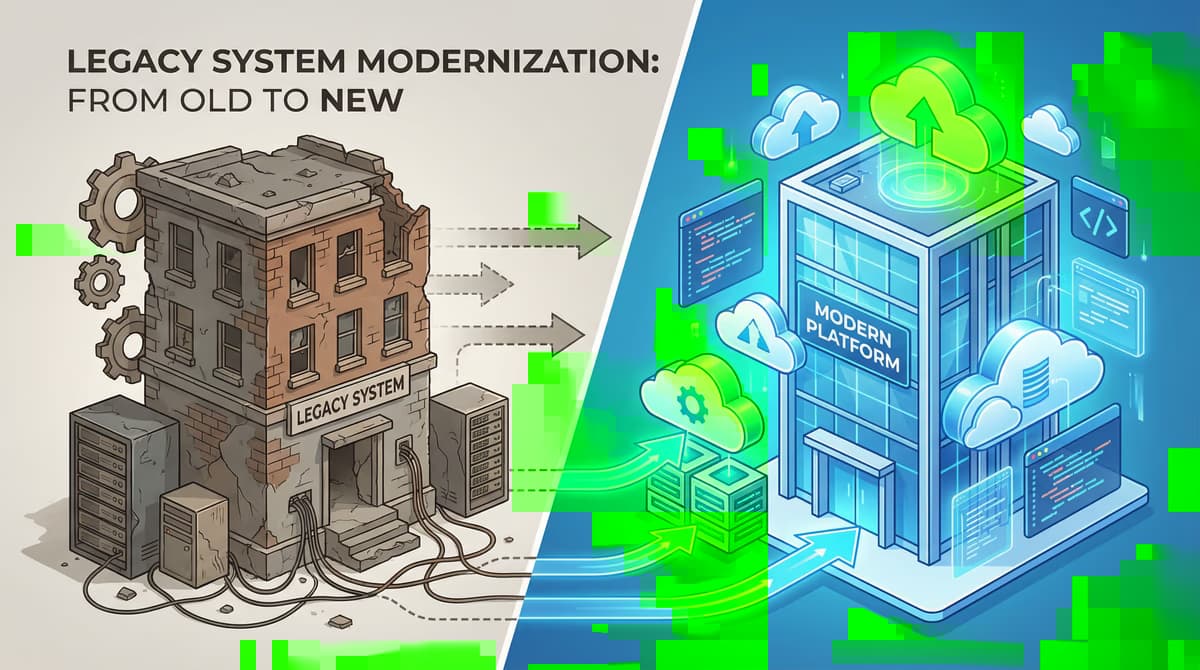
Old software: When is the right time?
In today's fast-paced digital world, the topicality of your software is crucial for the success of your company. Outdated systems can not only affect efficiency but also pose serious security risks. But what do you know is that it's time to release old software? This article highlights the most important signs and gives you a decision-making aid.
Signs that your software is outdated
There are clear indicators that a software has reached its end of life. If you observe one or more of the following points in your company, you should think about a modernization:
- Surfy crashes and performance problems: If your employees regularly complain about system crashes, long charging times or a generally slow performance, this is a clear warning signal.
- **Comprehensible compatibility:**Old software can often be integrated with new operating systems, devices or other modern applications.
- High maintenance and support costs: The maintenance of legacy systems is becoming more and more expensive over time. Spare parts are difficult to find and specialized developers who still know with the old technology are rare and expensive.
- Miscellaneous security updates: Software that is no longer supported by the manufacturer will no longer receive security patches. This makes them a light target for cyber attacks.
- ** Limited functionality:** Software requirements change. If your old system can no longer represent new business processes or lack important functions, it will slow your growth.
- No mobile support: In a world where mobile and flexible work is done, missing support for smartphones and tablets is a considerable disadvantage.
The risks of outdated software
Keeping out of date software is more than just annoying. There are specific business risks that go far beyond the pure IT costs:
- Data loss and security injuries: Uncertified systems are a gateway for malware and hackers. The loss of sensitive customer data can lead to sensitive penalties and massive image damage.
- Productivity losses: Slow and cumbersome processes cost valuable working time and frustrate your employees.
- Competition disadvantages: While your competition is optimised by modern, agile software solutions and opens up new business areas, you remain technologically behind.
- ** Legal consequences:** Industry-specific regulations (e.g. in financial or healthcare) often require the use of certified and current software. The operation of outdated systems can lead to legal problems here.
The right time for detachment
The decision, **al
About the author
Groenewold IT Solutions
Softwareentwicklung & Digitalisierung
Praxiserprobte Einblicke aus Projekten rund um individuelle Softwareentwicklung, Integration, Modernisierung und Betrieb – mit Fokus auf messbare Ergebnisse und nachhaltige Architektur.
Related topics:
Read more
Related articles
These posts might also interest you.
Onshore vs. Offshore: 3 reasons why local development provides better ROI
The hourly rate is only half the truth. We show why onshore development in Germany has its nose at speed, quality and ROI.
18 February 2026
Software developmentCrowdfunding for software projects: A promising alternative?
In the dynamic world of software development, securing financing is often one of the largest obstacles for innovative projects. Traditional ways such as bank loans or venture capital are...
16 February 2026
Software developmentAgile vs. Waterfall: What method fits your project?
A detailed comparison between agile methods (Scrum, Kanban) and the traditional waterfall model. Learn the strengths, weaknesses and when which method is best suited.
16 February 2026
Free download
Checklist: 10 questions before software development
What to clarify before investing in custom software – budget, timeline, requirements and more.
Get the checklist in a consultationRelevant next steps
Related services & solutions
Based on this article's topic, these pages are often the most useful next steps.