
Technical debt in the backlog: Priority and planning
Speed is a decisive factor in agile [software development](/services/software development). Teams are often under pressure to deliver new features quickly and to comply with tight deadlines. In this field of tension there is often a phenomenon called “technical debt”. But what exactly hides behind this concept and how can companies learn to manage these debt strategically instead of being overwhelmed by them? This article highlights how technical debts arise, how to prioritise them in the backlog and develop a plan for targeted degradation.
What are technical debts?
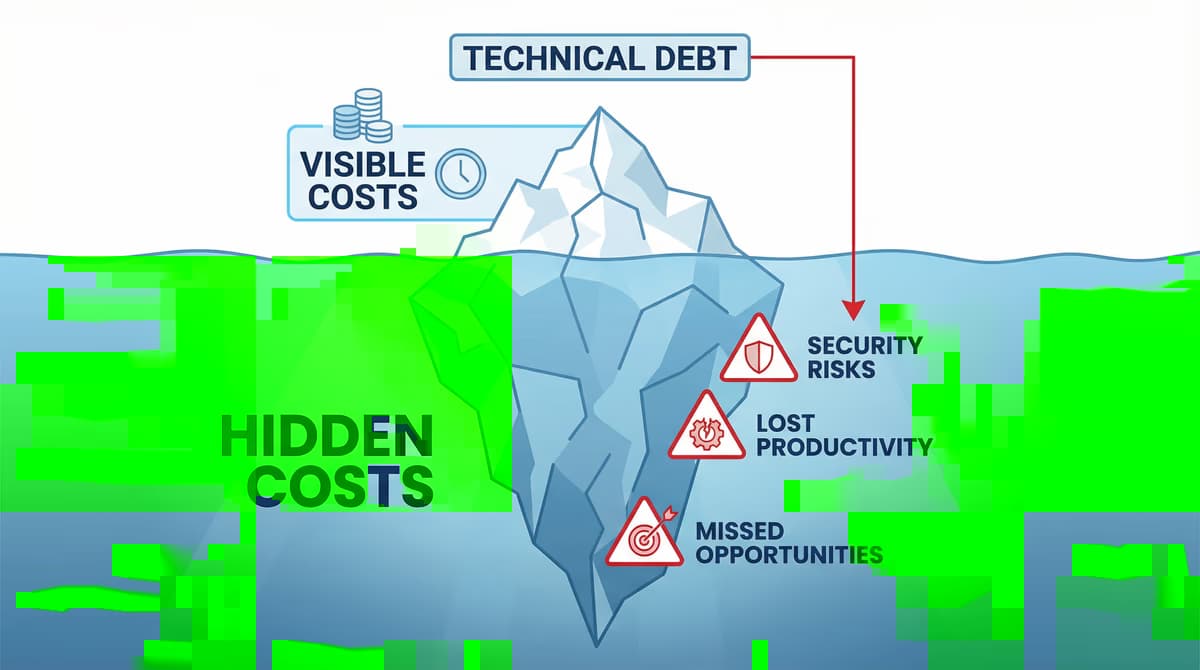
The term “technical debt” (English: technical debt) is a metaphor coined by Ward Cunningham. It describes the implicit costs arising from rework if you choose a fast but not optimal technical solution. Instead of going the “clean” and sustainable way, you choose an abbreviation to achieve short-term goals. These abbreviations can manifest themselves in the form of badly written code, missing documentation or inadequate tests. In the long term, these “debts” lead to a slowdown in development, increased susceptibility to errors and increasing maintenance costs. It is therefore crucial to develop a strategy for Technical debt.
The causes of technical debt
Technical debt can arise for various reasons. Often it is a conscious decision to bring a product to market faster. In other cases, they are the result of ignorance or lack of experience in the development team. Among the most common causes are:
- **Current pressure:**Current deadlines and the desire to respond quickly to market requirements often force teams to compromise code quality.
- Short knowledge: If developers do not have the necessary knowledge or experience to implement a clean solution, technical debt can be unintentionally incurred.
- Felectional tests: Unreasonable or missing automated tests cause errors to be discovered late in the [development process](/services/software development), making the fix more complicated.
- Old technology: The use of outdated technologies or frameworks can slow down the development and make maintenance more difficult.
- Fine communication: Lack of coordination in the team can lead to inconsistent code and architectural problems.
Types of technical debt
Technical debt is not equal to technical debt. Martin Fowler, a well-known software developer, has proposed a useful classification in four quadrants based on the distinction between conscious and unconscious as well as inconsiderate and prudent debt:
| Quad
About the author
Groenewold IT Solutions
Softwareentwicklung & Digitalisierung
Praxiserprobte Einblicke aus Projekten rund um individuelle Softwareentwicklung, Integration, Modernisierung und Betrieb – mit Fokus auf messbare Ergebnisse und nachhaltige Architektur.
Related topics:
Read more
Related articles
These posts might also interest you.
Onshore vs. Offshore: 3 reasons why local development provides better ROI
The hourly rate is only half the truth. We show why onshore development in Germany has its nose at speed, quality and ROI.
18 February 2026
Software developmentCrowdfunding for software projects: A promising alternative?
In the dynamic world of software development, securing financing is often one of the largest obstacles for innovative projects. Traditional ways such as bank loans or venture capital are...
16 February 2026
Software developmentAgile vs. Waterfall: What method fits your project?
A detailed comparison between agile methods (Scrum, Kanban) and the traditional waterfall model. Learn the strengths, weaknesses and when which method is best suited.
16 February 2026
Free download
Checklist: 10 questions before software development
What to clarify before investing in custom software – budget, timeline, requirements and more.
Get the checklist in a consultationRelevant next steps
Related services & solutions
Based on this article's topic, these pages are often the most useful next steps.