
Avoid technical debt: A guide for preventive measures
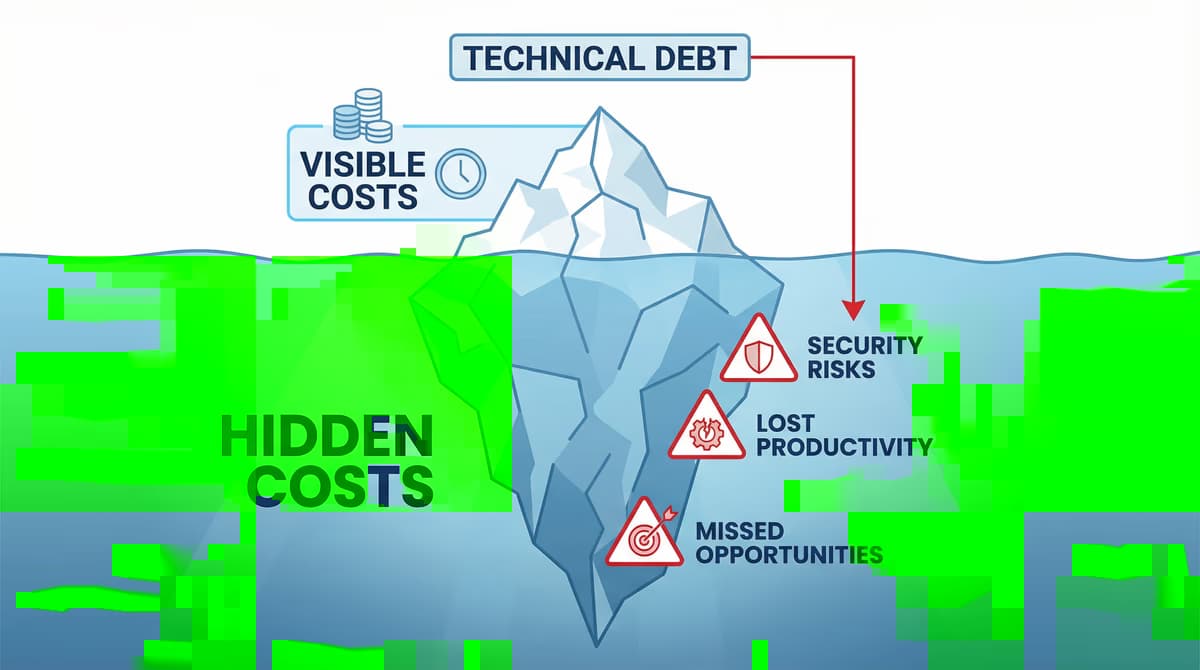
In the fast-paced world of [software development](/services/software development), the pressure to deliver quickly results is ubiquitous. This pressure often leads to compromises in code quality, which prove to be costly in the long term. These compromises are referred to as technical debt – a metaphor that describes the long-term negative consequences of short-term short-term abbreviations. Similarly to financial debt, interest is also incurred in the case of technical debts which, in the form of increased maintenance costs, slowed development and rising costs, are charged. But how can we avoid this debt trap from the outset? This article highlights the causes of technical guilt and introduces preventive measures to ensure sustainable and high-quality software development.
Understanding the causes of technical guilt
To effectively avoid technical debt, it is crucial to know their causes. Rarely they arise from evil intentions, but are usually the result of balanced decisions under pressure. A profound understanding of these factors is the first step to be able to proactively counteract.
Time pressure and unrealistic deadlines
The most common driver for technical debt is the pressure to close projects quickly. Close schedules and unrealistic deadlines often force development teams to take shortcuts and to renounce good practices. Instead of writing clean and well-structured code, fast, but suboptimal solutions are implemented that work short-term but lead to problems in the long term. These "Quick and Dirty" solutions are often difficult to wait and develop, making future adjustments more difficult and expensive.
Lack of documentation and knowledge transfer
An inadequate or outdated documentation is another important source of technical debt. If the knowledge of architecture, design and functionality of a software exists only in the minds of individual developers, it is lost as soon as they leave the team. New team members have to work hard into the code, which leads to errors and inefficient development. Without a clear documentation, it is also difficult to keep an overview of decisions taken and their backgrounds, which makes the **Technical debt even more difficult.
Outdated technologies and lack of modernization
The technology landscape is rapidly developing. If outdated technologies, frameworks or libraries are not regularly updated, vulnerabilities and compatibility problems arise. Modernization is becoming more and more complex and riskier with time, as the gap to the current technology is growing steadily. Keeping on obsolete Sy
About the author
Groenewold IT Solutions
Softwareentwicklung & Digitalisierung
Praxiserprobte Einblicke aus Projekten rund um individuelle Softwareentwicklung, Integration, Modernisierung und Betrieb – mit Fokus auf messbare Ergebnisse und nachhaltige Architektur.
Related topics:
Read more
Related articles
These posts might also interest you.
Onshore vs. Offshore: 3 reasons why local development provides better ROI
The hourly rate is only half the truth. We show why onshore development in Germany has its nose at speed, quality and ROI.
18 February 2026
Software developmentCrowdfunding for software projects: A promising alternative?
In the dynamic world of software development, securing financing is often one of the largest obstacles for innovative projects. Traditional ways such as bank loans or venture capital are...
16 February 2026
Software developmentAgile vs. Waterfall: What method fits your project?
A detailed comparison between agile methods (Scrum, Kanban) and the traditional waterfall model. Learn the strengths, weaknesses and when which method is best suited.
16 February 2026
Free download
Checklist: 10 questions before software development
What to clarify before investing in custom software – budget, timeline, requirements and more.
Get the checklist in a consultationRelevant next steps
Related services & solutions
Based on this article's topic, these pages are often the most useful next steps.