
Software migration: Success measurement and KPIs for a smooth transition
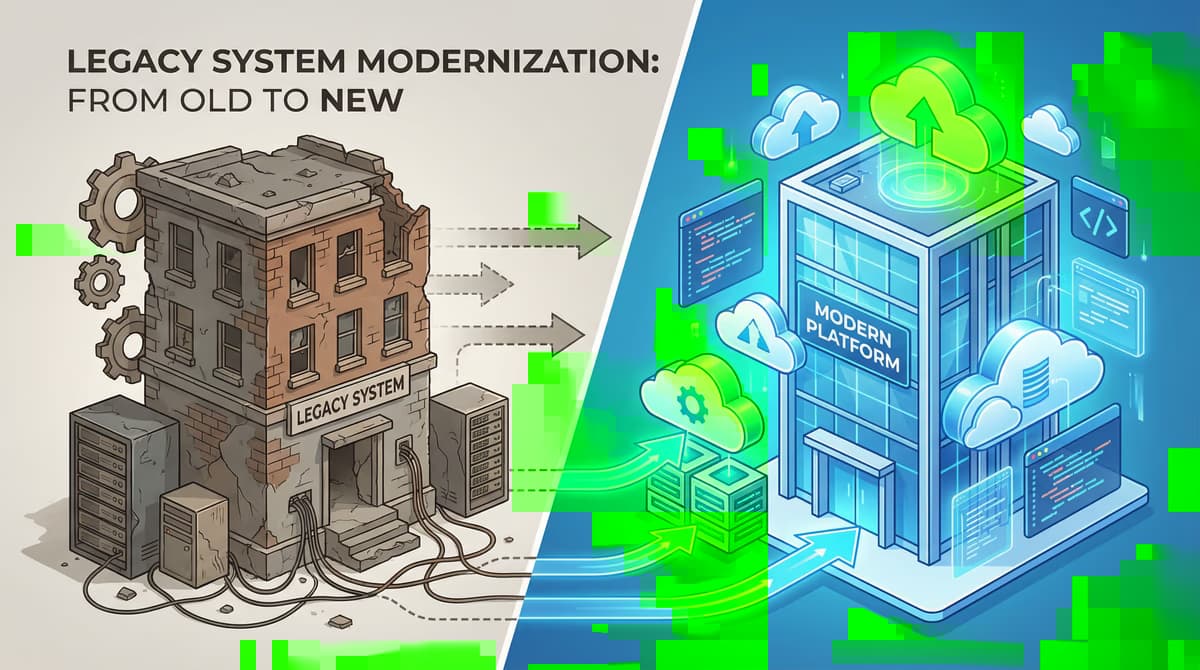
In today's rapidly developing digital landscape, modernization of IT systems is essential for companies to remain competitive. A software migration, i.e. the process of switching from one software environment to another, is a central but also complex process. Whether it is changing to a new platform, updating outdated systems or moving to the cloud – the success of such a project must be measurable to justify the high effort in time and resources. But how do you measure the success of a Software migration? The answer is defined and monitored by clear targets and key performance indicators (KPIs).
Why is the measurement of success crucial in a software migration?
The careful measurement of the success of a software migration offers far more than just a subsequent evaluation. It is a strategic instrument that controls and optimizes the entire migration process. The key advantages of a consistent measurement of success are:
- Determination of business objectives: The definition of KPIs ensures that the migration project pays directly to the higher-level strategic objectives of the company, whether it is cost reduction, efficiency increase or the improvement of customer experience.
- Transparency and accountability: Clear metrics create a transparent communication basis for all stakeholders, from IT team to management. The project progress will be comprehensible and decisions can be made based on data.
- ** Continuous improvement:** Data collected during and after migration provide valuable insights for future IT projects. Vulnerabilities in the process can be identified and best practices for the future can be derived.
- Risk minimisation: Continuous monitoring of KPIs enables potential problems to be identified and resolved at an early stage before they lead to serious disruption of the business.
The most important KPIs for measuring migration success
In order to comprehensively evaluate the success of a software migration, KPIs should be considered from different areas. These can be divided into several categories:
Cost management and optimization
One of the most common reasons for migration is cost savings. To validate these, the following KPIs are crucial:
- Cost by Resource: Monitoring costs for individual resources such as virtual machines, storage or network components helps to identify over-provisioned or unused resources.
- Cost per Project/Department: The allocation of costs to specific projects or departments creates transparency and promotes the company's responsibility for costs.
- Cost Trends: Analysis of K
About the author
Groenewold IT Solutions
Softwareentwicklung & Digitalisierung
Praxiserprobte Einblicke aus Projekten rund um individuelle Softwareentwicklung, Integration, Modernisierung und Betrieb – mit Fokus auf messbare Ergebnisse und nachhaltige Architektur.
Related topics:
Read more
Related articles
These posts might also interest you.
Onshore vs. Offshore: 3 reasons why local development provides better ROI
The hourly rate is only half the truth. We show why onshore development in Germany has its nose at speed, quality and ROI.
18 February 2026
Software developmentCrowdfunding for software projects: A promising alternative?
In the dynamic world of software development, securing financing is often one of the largest obstacles for innovative projects. Traditional ways such as bank loans or venture capital are...
16 February 2026
Software developmentAgile vs. Waterfall: What method fits your project?
A detailed comparison between agile methods (Scrum, Kanban) and the traditional waterfall model. Learn the strengths, weaknesses and when which method is best suited.
16 February 2026
Free download
Checklist: 10 questions before software development
What to clarify before investing in custom software – budget, timeline, requirements and more.
Get the checklist in a consultationRelevant next steps
Related services & solutions
Based on this article's topic, these pages are often the most useful next steps.