
As of: 19 June 2026 · Reading time: 4 min
Key takeaways
- In today's fast-paced business world, knowledge has become one of the most valuable resources of a company.
- But this knowledge is often linked to individual employees and is lost...
In today's fast-paced business world, knowledge has become one of the most valuable resources of a company. But this knowledge is often linked to individual employees and is lost...
“Good software is not an accident—it comes from a structured development process with clear quality standards.”
– Björn Groenewold, Managing Director, Groenewold IT Solutions
Effective knowledge management combines people-based methods (mentoring, communities of practice, storytelling) with technology-supported approaches (wikis, AI search systems, knowledge bases).
Success stands or falls with a corporate culture that rewards knowledge sharing rather than knowledge monopolies.
In today's fast-paced business world, knowledge has become one of the most valuable resources of a company.
But this knowledge is often linked to individual employees and is lost when they leave the company.
A structured ** knowledge transfer for employees** is therefore essential to ensure the competitiveness and innovative strength of a company in the long term.
In this article, we highlight why knowledge management is so crucial and present you proven methods for a successful knowledge transfer.
Why is knowledge transfer so important?
Short: Executive answer: In today's fast-paced business world, knowledge has become one of the most valuable resources of a company.
Executive answer: In today's fast-paced business world, knowledge has become one of the most valuable resources of a company.
When planning Knowledge management: Methods for successful knowledge transfer from idea to delivery, AI & Machine Learning, Cost Calculator: AI Knowledge Base sowie Discover solutions offer practical next steps on our site.
An effective knowledge transfer offers many advantages. It prevents the formation of knowledge silos, where valuable information is limited to a few people.
New employees are working faster and more efficiently, increasing productivity and reducing the cost of incorporation. In addition, an open exchange of knowledge promotes a culture of continuous learning and cooperation.
This, in turn, enhances innovation and helps companies adapt flexibly to new challenges.
Methods for successful knowledge transfer
Short: There are different methods to organize knowledge transfer in the company.
There are different methods to organize knowledge transfer in the company. Choosing the right method depends on the nature of knowledge, corporate culture and resources available.
Mentoring and coaching
Short: During mentoring, experienced employees pass on their knowledge and skills directly to new or less experienced colleagues.
During mentoring, experienced employees pass on their knowledge and skills directly to new or less experienced colleagues.
This personal approach is especially suitable for transferring implicit knowledge, i.e. experiences and intuitions, which are difficult to put into words.
Coaching, on the other hand, focuses on developing specific skills and competencies and is often carried out by external experts or trained internal coaches.
Knowledge databases and wikis
Short: A central knowledge database or a company-internal wiki is an excellent way to document explicit knowledge and make it accessible to all employees.
A central knowledge database or a company-internal wiki is an excellent way to document explicit knowledge and make it accessible to all employees.
Here, work instructions, process descriptions, project documents and best practices can be collected and structured. The advantage lies in the constant availability and easy updating of the information.
Communities of Practice (CoPs)
Short: Communities of Practice are informal groups of employees who share a common interest or a common task.
Communities of Practice are informal groups of employees who share a common interest or a common task. At regular meetings, they exchange their experiences, discuss challenges and develop solutions together.
CoPs promote the informal exchange of knowledge and strengthen the social network within the company.
Storytelling
Short: Stories are a powerful method to convey knowledge.
Stories are a powerful method to convey knowledge. Complex facts and experiences can be achieved by Er
References and further reading
Short: The following independent references complement the topics in this article:
The following independent references complement the topics in this article:
- Bitkom – German digital industry association
- German Federal Office for Information Security (BSI)
- European Commission – Digital strategy
- MDN Web Docs (Mozilla)
- W3C – World Wide Web Consortium
Frequently Asked Questions (FAQ)
What is this article about: “Knowledge management: Methods for successful knowledge transfer”?
This post explores Knowledge management: Methods for successful knowledge transfer from the perspective of requirements, typical pitfalls, and sensible next steps.
In short: In today's fast-paced business world, knowledge has become one of the most valuable resources of a company. But this knowledge is often linked to individual employees and is lost...
Who benefits most from the content described here?
Useful for project leads and product owners in Software development who must choose between standard software, custom development, and integration.
How does this topic fit into an IT or digital strategy?
Technically and organizationally, alignment with experienced partners pays off — from requirements to operations; start with the [services overview](/en/services/software-development). For multi-system landscapes, [IT consulting and architecture](/en/services/it-consulting) helps align vendors and internal teams.
What are sensible next steps if we need support?
A practical next step: book a consultation and clarify which MVP or pilot fits your team and landscape.
About the author

Managing Director of Groenewold IT Solutions GmbH and Hyperspace GmbH
Since 2009 Björn Groenewold has been developing software solutions for the mid-market. He is Managing Director of Groenewold IT Solutions GmbH (founded 2012) and Hyperspace GmbH. As founder of Groenewold IT Solutions he has successfully supported more than 250 projects – from legacy modernisation to AI integration.
Blog recommendations
Related articles
These posts might also interest you.
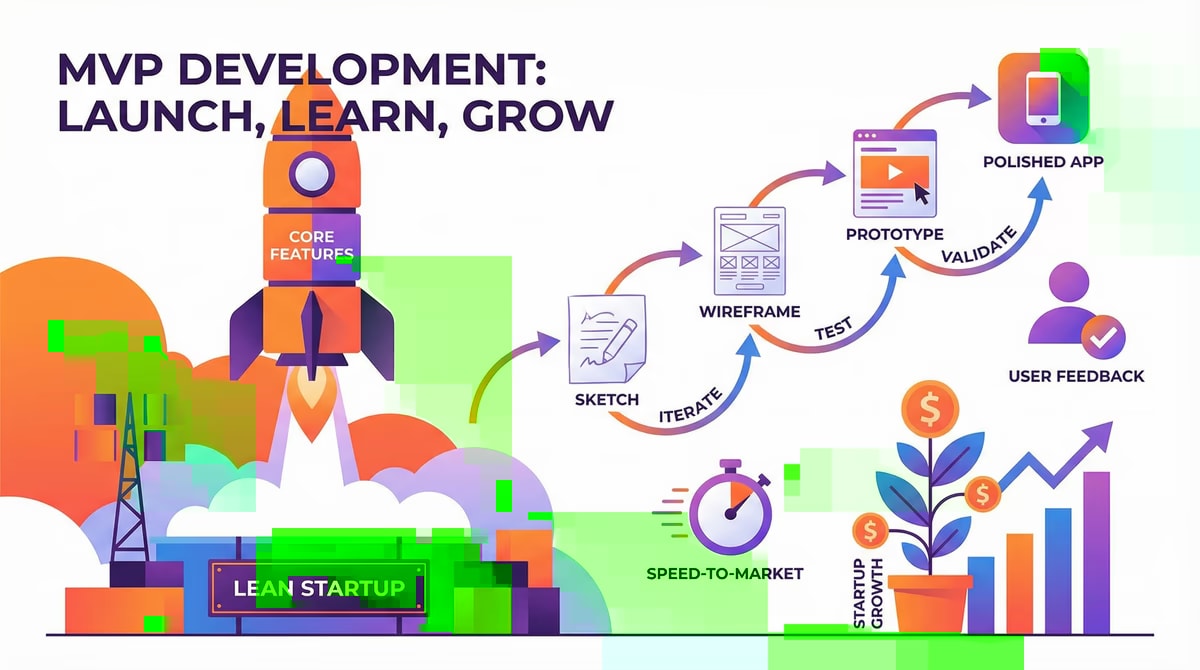
MVP development outsource: cost and benefits compared
The decision to develop a minimum Viable Product (MVP) is a decisive step for start-ups and established companies. It allows a product idea with minimal...
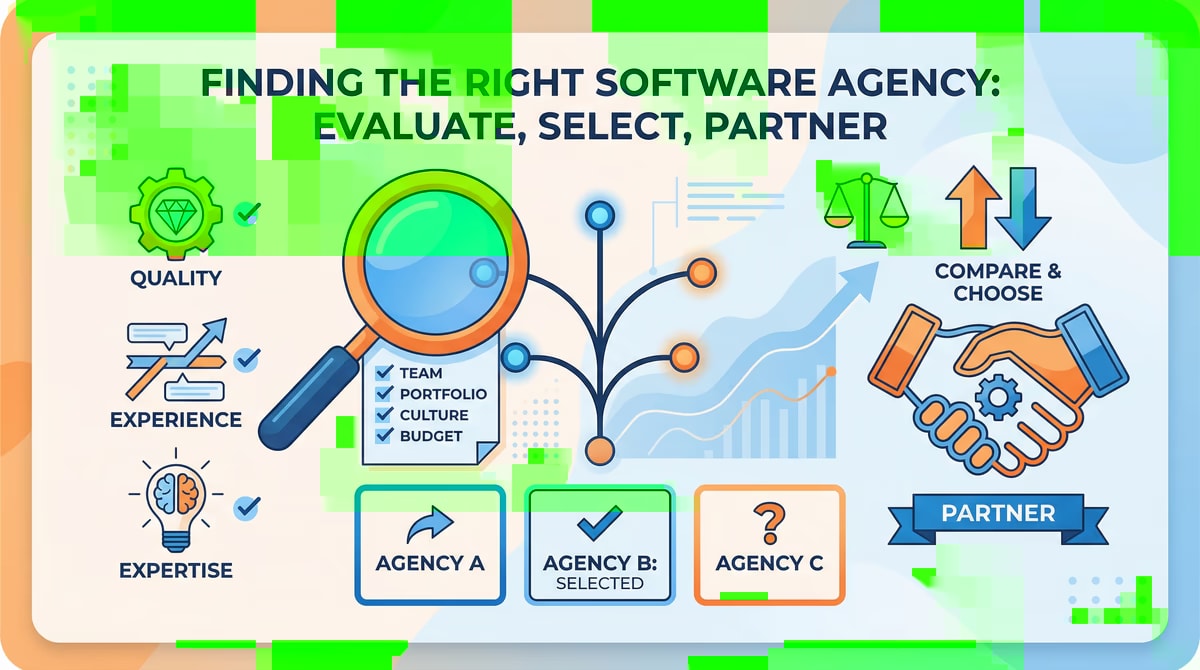
Build developer team vs. commission agency: The right choice for your software project
The decision whether a company builds an internal team for the development of its software or commissions an external agency is of strategic importance. Both models, **Inhouse vs....

Outsourcing Trends 2026: What changes for your business
The world of IT is changing rapidly, and thus also the way companies approach their software development projects. While some companies continue to rely on internal teams, discover...
Free download
Checklist: 10 questions before software development
Key points before you start: budget, timeline, and requirements.
Get the checklist in a consultationRelevant next steps
Related services & solutions
Based on this article's topic, these pages are often the most useful next steps.
Related services
Related solutions
Cost calculators
More on Software development and next steps
This article is in the Software development topic. In our blog overview you will find all articles; under category Software development more posts on this subject.
For topics like Software development we offer matching services – from app development and AI integration to legacy modernisation and maintenance. We describe typical use cases under solutions. Our cost calculators give initial estimates. Key terms are in the IT glossary. Books and long-form guides appear on the publications page; deeper articles live under topics.
If you have questions about this article or want a non-binding discussion about your project, you can book a consultation or reach us via contact. We usually respond within one working day.