

As of: 12 April 2026 · Reading time: 3 min
There is a huge treasure of knowledge, experiences and skills in every company. But too often this valuable capital is invisible in the minds of individual employees...
“Digitalization is not an IT project—it is a business strategy.”
– Björn Groenewold, Managing Director, Groenewold IT Solutions
> Key Takeaway: Knowledge maps visualize which expertise exists where in the organization — and reveal critical knowledge gaps. They are created through systematic capture of competency profiles, mapping to business processes, and graphical representation as a networked map.
The result enables targeted knowledge transfer and strategic workforce planning.
Create knowledge maps: Visualize expertise in the company
Short: There is a huge treasure of knowledge, experiences and skills in every company.
There is a huge treasure of knowledge, experiences and skills in every company. But too often this valuable capital is hidden in the minds of individual employees or scattered in countless documents and systems.
If an experienced colleague retires or leaves the company, a painful loss of knowledge threatens. A structured ** knowledge transfer for employees** becomes a key challenge for future-oriented organisations.
An equally elegant and effective method to solve this problem is the creation of knowledge maps.
What are maps of knowledge?
A knowledge map is basically a visual graphic representation of the knowledge landscape of a company. It can be imagined as an atlas that records not geographical locations, but knowledge domains, experts and sources of information.
It does not contain the knowledge itself, but shows that w what knows where information can be found and how different knowledge areas are related to each other.
This transparency makes implicit, i.e. personal and experience-based knowledge, tangible and usable for the entire organization.
The different types of knowledge maps
Short: Depending on the objective and application, knowledge maps can be divided into four basic types.
Depending on the objective and application, knowledge maps can be divided into four basic types. Each type fulfils a specific function to structure and make accessible the knowledge base of an enterprise.
Knowledge Source Cards (Wissensträgerkarten)
This type of card is the most direct form of knowledge management. She answers the simple question: “Who knows what?”. A knowledge source map identifies experts within the company (and sometimes outside) for specific topics.
Instead of presenting the information itself, the card refers directly to the person who has the appropriate expert knowledge. This accelerates the problem solution and promotes direct communication.
Knowledge base maps
Knowledge base maps focus on the location of knowledge. They show that where and in what form certain knowledge resources – such as documents, databases, reports or instructions – can be found.
This is particularly useful to promote the reuse of existing information and to avoid redundant work. They provide a clear overview of the existing knowledge resources.
Knowledge structure maps
Knowledge structure maps go one step further and visualize the relationships and dependencies between different knowledge areas. They help to disassemble complex topics into their components and understand the logical links between them.
Mindmaps are a classic example of this type of card. They are ideal to get a quick overview of a
References and further reading
Short: The following independent references complement the topics in this article:
The following independent references complement the topics in this article:
About the author

Managing Director of Groenewold IT Solutions GmbH and Hyperspace GmbH
For over 15 years Björn Groenewold has been developing software solutions for the mid-market. He is Managing Director of Groenewold IT Solutions GmbH and Hyperspace GmbH. As founder of Groenewold IT Solutions he has successfully supported more than 250 projects – from legacy modernisation to AI integration.
Blog recommendations
Related articles
These posts might also interest you.
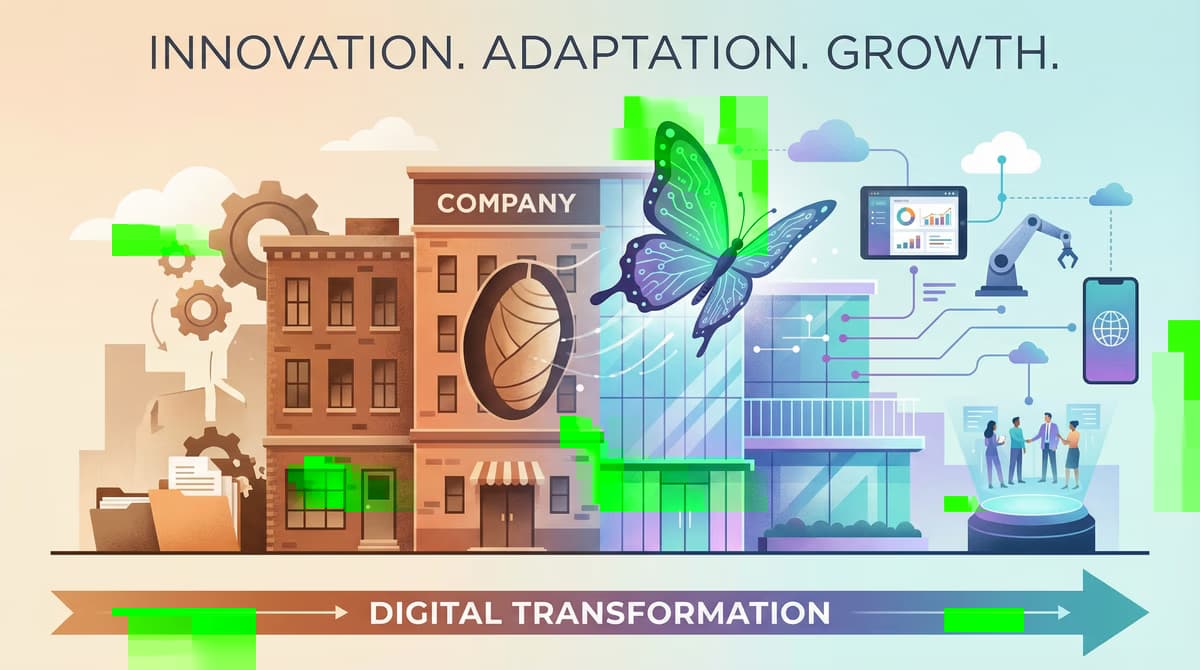
State support for digitalization: your guide in the jungle
> The following blog post is an AI-generated design based on the information and requirements provided. Human review and adaptation is recommended.
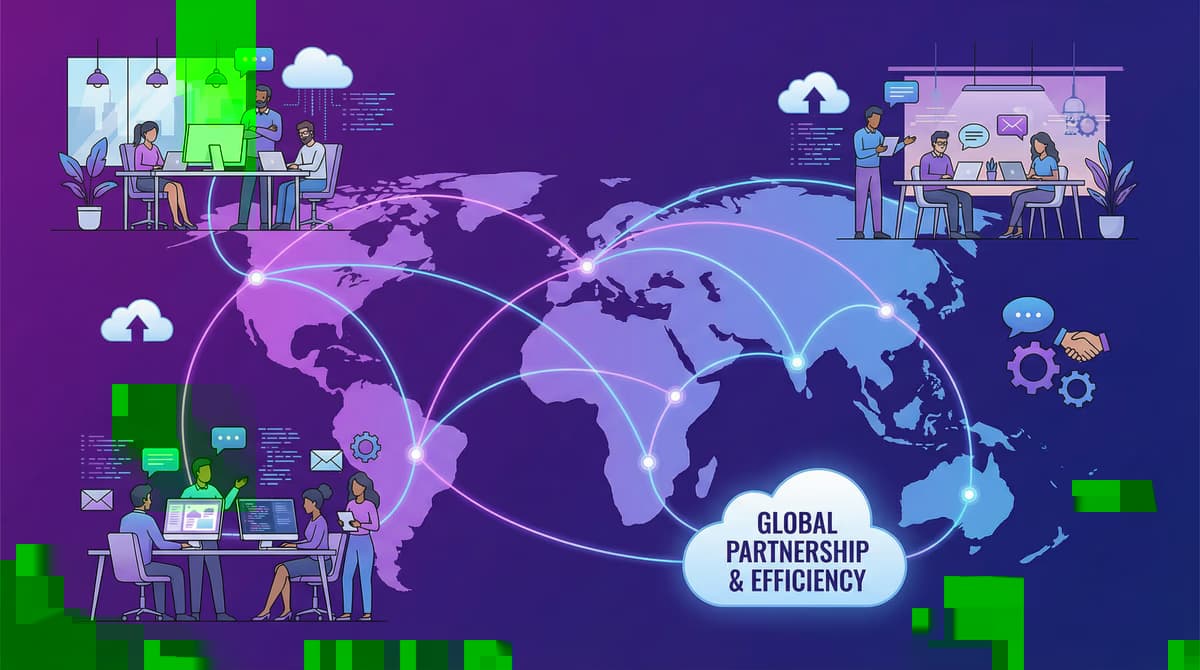
What is offshore development?
> # Offshore development: opportunities and risks in detail > > In today's globalized economy, companies are constantly looking for ways to work more efficiently, reduce costs and equal...
Nearshore vs. Offshore: The key to success lies in communication and time zone management
In today's globalised business world, outsourcing is a key factor for many companies to remain competitive. It allows access to a global talent pool, ...
Free download
Checklist: 10 questions before software development
Key points before you start: budget, timeline, and requirements.
Get the checklist in a consultationRelevant next steps
Related services & solutions
Based on this article's topic, these pages are often the most useful next steps.
Related services
Related solutions
Cost calculators
More on Software development and next steps
This article is in the Software development topic. In our blog overview you will find all articles; under category Software development more posts on this subject.
For topics like Software development we offer matching services – from app development and AI integration to legacy modernisation and maintenance. We describe typical use cases under solutions. Our cost calculators give initial estimates. Key terms are in the IT glossary, and in-depth content under topics.
If you have questions about this article or want a non-binding discussion about your project, you can book a consultation or reach us via contact. We usually respond within one working day.