
The migration of software and related data is a critical process that is essential for modernising IT systems. Whether it's about replacing outdated applications...
“Digitalization is not an IT project—it is a business strategy.”
– Björn Groenewold, Managing Director, Groenewold IT Solutions
*February 2026 *
The migration of software and related data is a critical process that is essential for modernising IT systems. Whether it's about replacing outdated applications, switching to the cloud or consolidating systems – a successful Software migration sets the foundation for a company's sustainability.
One of the biggest challenges is to ensure data integrity. Errors during migration can lead to data loss, inconsistencies and ultimately to wrong business decisions. In this post, we will inform you how to ensure the integrity of your data during a software migration.
Why is data integrity so important in software migration?
Short: Data is the heart of many companies.
Data is the heart of many companies. They form the basis for analyses, reports and operational processes. Maintaining the integrity of these data means ensuring that they remain accurate, consistent and reliable throughout their life cycle. During a Software migration, data is transferred from a source to a target system.
This process involves numerous risks:
- Data loss: Incomplete or incorrect transmission can lead to loss of important information.
- Data corruption: Errors in the migration process can damage data and make it unusable.
- Inconsistencies: Differences in the data models of source and target system can lead to inconsistent data.
The consequences of such problems can range from minor operational disturbances to significant financial losses and a damaged corporate call.
Best practices for ensuring data integrity
Short: To minimise risks and ensure successful migration, companies should apply best practices.
To minimise risks and ensure successful migration, companies should apply best practices. Here are the five most important practices to ensure data integrity during a Software migration:
1. Detailed planning and analysis
Careful planning is the first and most important step. This includes an accurate analysis of the existing data landscape, the data quality and the requirements of the target system. Create a detailed data mapping that determines how to transfer the data from the source to the target system.
Identify potential conflicts and develop solutions before the actual migration begins.
2. Data profiling and cleaning
Before migration, you should carefully examine the quality of your data. Data profiling helps to detect duplicates, missing values and inconsistencies. Use these findings to clean up your data and prepare for migration. Clean and consistent data significantly reduce the risk of errors.
3. Development of a robust migration strategy
There are different approaches
References and further reading
Short: The following independent references complement the topics in this article:
The following independent references complement the topics in this article:
- Bitkom – German digital industry association
- German Federal Office for Information Security (BSI)
- European Commission – Digital strategy
- MDN Web Docs (Mozilla)
- W3C – World Wide Web Consortium
> "Privacy by design is an architecture issue—especially when master data is personal." > > — Björn Groenewold, Managing Director, Groenewold IT Solutions
<!-- v87-geo-append -->
About the author

Managing Director of Groenewold IT Solutions GmbH and Hyperspace GmbH
For over 15 years Björn Groenewold has been developing software solutions for the mid-market. He is Managing Director of Groenewold IT Solutions GmbH and Hyperspace GmbH. As founder of Groenewold IT Solutions he has successfully supported more than 250 projects – from legacy modernisation to AI integration.
Blog recommendations
Related articles
These posts might also interest you.
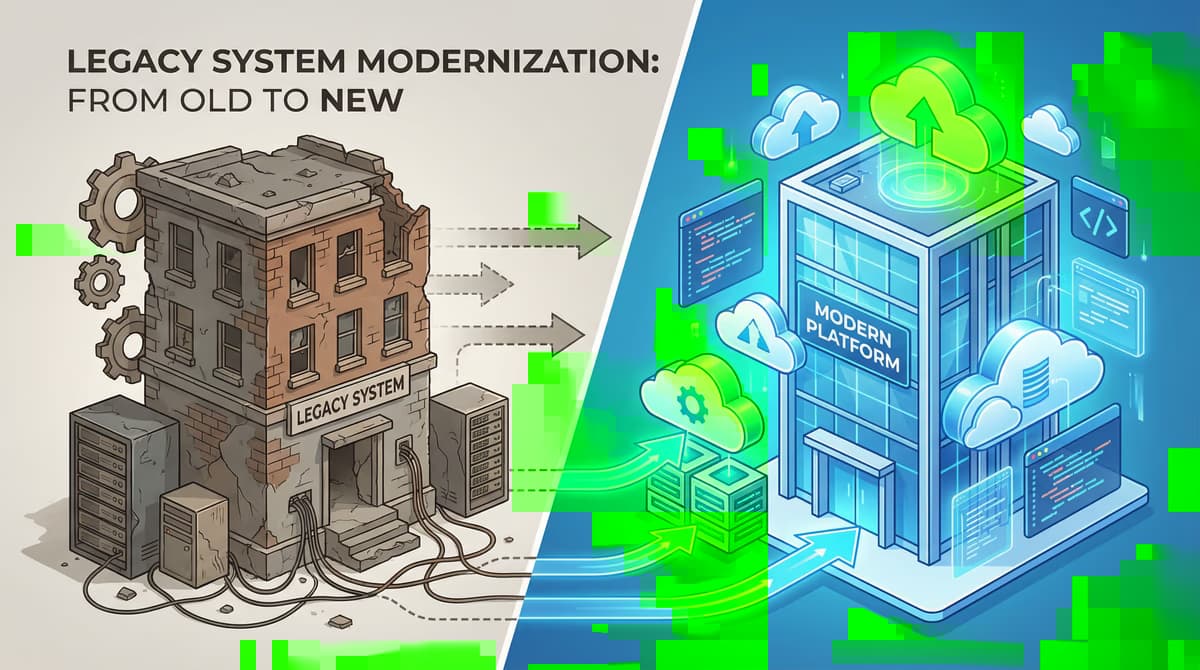
Stepwise migration: The Strangler-FIG-Pattern for the modernization of old systems
In today's fast-paced digital landscape, many companies face the challenge of modernizing outdated IT systems. These so-called old systems are often the backbone of the...
ChatGPT and Data Protection: This enables GDPR-compliant use in the company
Artificial intelligence, especially in the form of advanced language models such as ChatGPT, revolutionizes the way companies work. From the automation of customer service ...
Flutter widgets: The main building blocks at a glance
In the world of mobile application development, Flutter has established itself as one of the leading technologies. The UI Toolkit developed by Google allows you to store from a single code base...
Free download
Checklist: 10 questions before software development
Key points before you start: budget, timeline, and requirements.
Get the checklist in a consultationRelevant next steps
Related services & solutions
Based on this article's topic, these pages are often the most useful next steps.
Related services
Related solutions
Related comparison
Cost calculators
More on Software development and next steps
This article is in the Software development topic. In our blog overview you will find all articles; under category Software development more posts on this subject.
For topics like Software development we offer matching services – from app development and AI integration to legacy modernisation and maintenance. We describe typical use cases under solutions. Our cost calculators give initial estimates. Key terms are in the IT glossary, and in-depth content under topics.
If you have questions about this article or want a non-binding discussion about your project, you can book a consultation or reach us via contact. We usually respond within one working day.